What makes a conference question worth everyone’s time? Simon Carley revisits a tongue-in-cheek question-asking algorithm and the serious point behind it: making discussion useful for the whole audience. He considers moderated social-media questions, their limitations and ways to encourage focused debate without silencing participation.
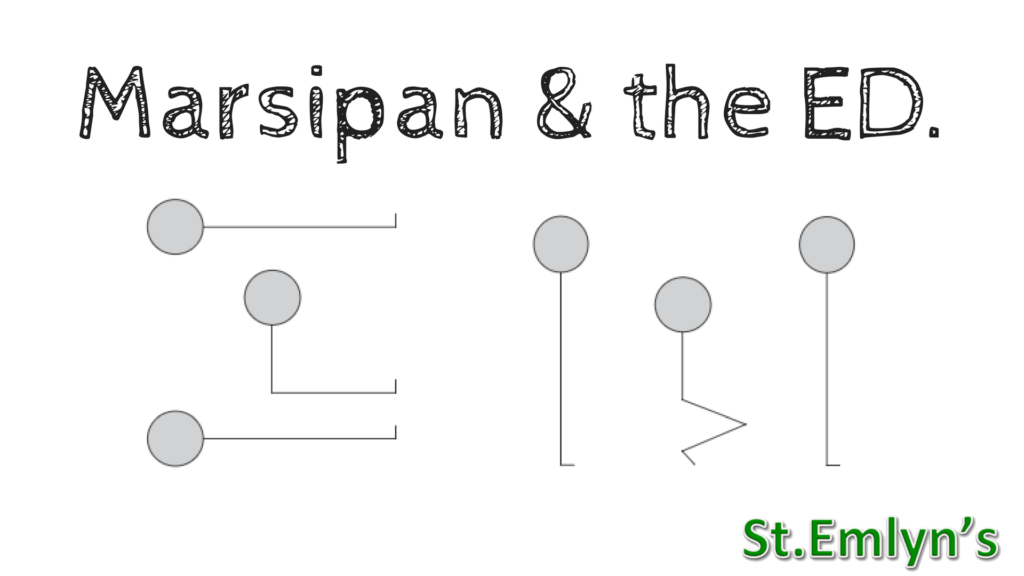
Vicky Vella’s 2017 introduction to MARSIPAN explores the medical risks of anorexia nervosa and why they matter in emergency care. It discusses recognising physical deterioration, assessment and coordination with admitting teams, drawing on the adult and junior guidance available at the time.
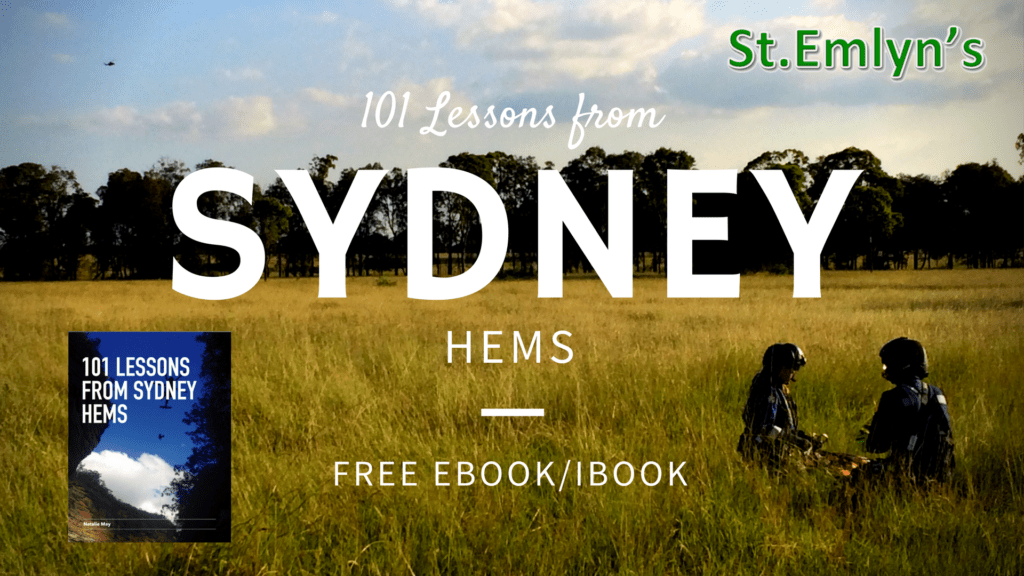
Natalie May introduces the e-book collecting her reflections from Sydney HEMS, with 104 lessons drawn from the original blog series. This 2017 announcement explains the collection’s additional photographs, foreword and chapter on entering prehospital and retrieval medicine, and links back to the seven source posts.
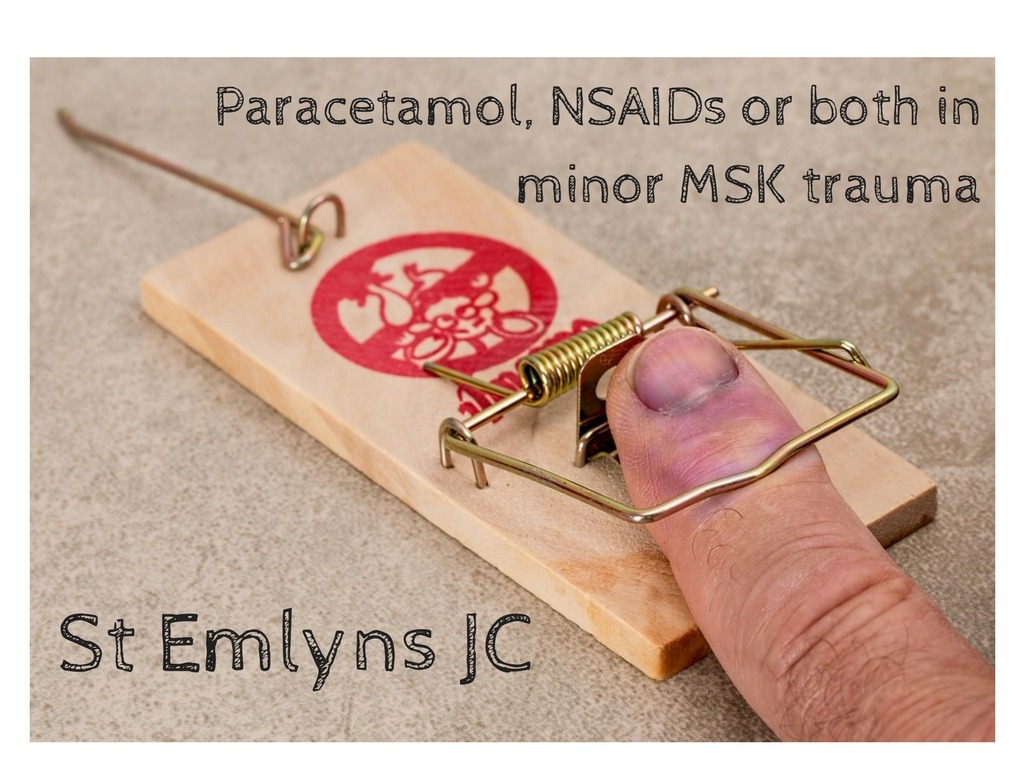
Is paracetamol alone enough for pain after minor musculoskeletal injury? This 2017 review examines a randomised non-inferiority trial comparing paracetamol, diclofenac and their combination. It explores pain outcomes, trial design and exclusions, including why the findings cannot simply be extended to fractures or all painful injuries.
The Virchester ‘ED Spa’ offers staff a non-clinical space to pause, recover and connect. This account explains how the room developed and how the five ways to wellbeing shaped its activities, from a gratitude tree and shared library to supporting colleagues through difficult shifts.
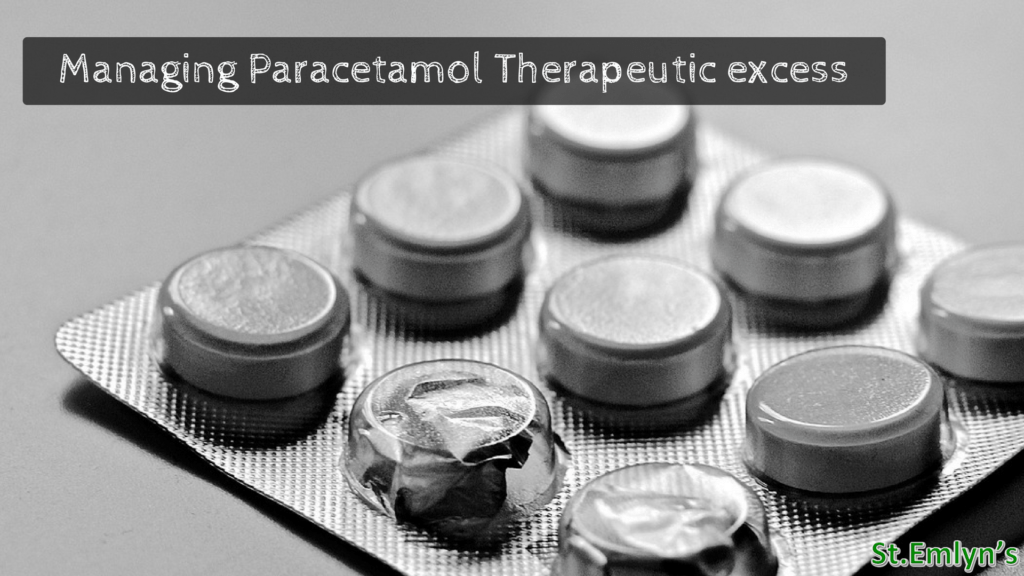
How does repeated excess paracetamol taken for pain differ from other overdose presentations? This 2017 discussion explores therapeutic excess, risk assessment and the consequences for admission. It repeatedly stresses checking current TOXBASE or local toxicology guidance, rather than relying on the historical thresholds described in the post.