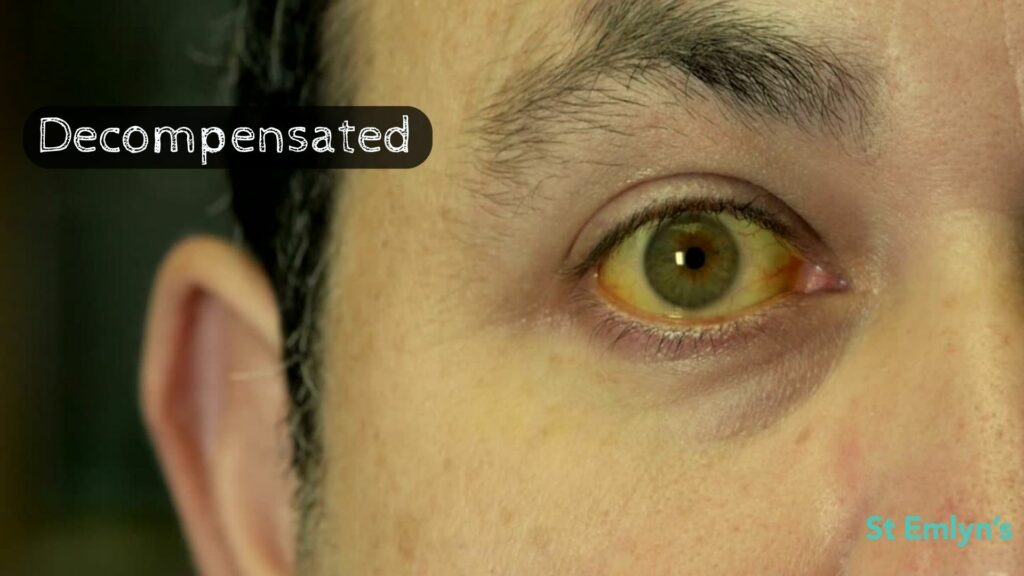
An updated overview of decompensated liver disease in the emergency department, covering assessment, investigation and the search for a precipitating cause. It discusses infection, bleeding, kidney injury, encephalopathy and escalation of care, with the WAVES mnemonic to organise the approach.
What did HALT-IT establish about tranexamic acid for gastrointestinal bleeding? This 2020 appraisal examines the lack of a mortality benefit and the increased venous thromboembolism and seizure signals, alongside questions about recruitment, treatment timing and the trial's primary outcome.
A 2020 appraisal of PEPTIC, comparing proton pump inhibitors with H2 receptor blockers for stress-ulcer prophylaxis in intensive care. The review examines mortality and gastrointestinal bleeding outcomes, treatment crossover and competing interpretations of a large pragmatic trial whose clinical implications were debated.
This 2019 overview examines the emergency assessment of decompensated liver disease, from recognising deterioration and investigating its cause to managing major complications. It brings together infection, kidney injury, gastrointestinal bleeding and encephalopathy within a structured care-bundle approach.
Explore the July 2019 blog archive with this monthly podcast round-up. Its accompanying links include mass-casualty training in Pakistan, major gastrointestinal bleeding, Listeria, vena cava filters in trauma and psychological performance in the resuscitation room.
This appraisal examines 2019 guidance on acute lower gastrointestinal bleeding, including risk assessment, investigation and referral. It considers the strength of the supporting evidence and how access to endoscopy and interventional radiology affects the application of recommendations in emergency care.