This 2019 overview of Listeria covers foodborne transmission, groups at higher risk and the range of clinical presentations. It considers investigation and recognition of serious infection, with treatment decisions referred to local microbiology advice and guidance.
Chris Gray explores the team response to major upper gastrointestinal bleeding in this St Emlyn’s Live talk and accompanying article. The focus is on coordinating emergency care with anaesthesia, critical care, the blood bank, endoscopy and interventional radiology.
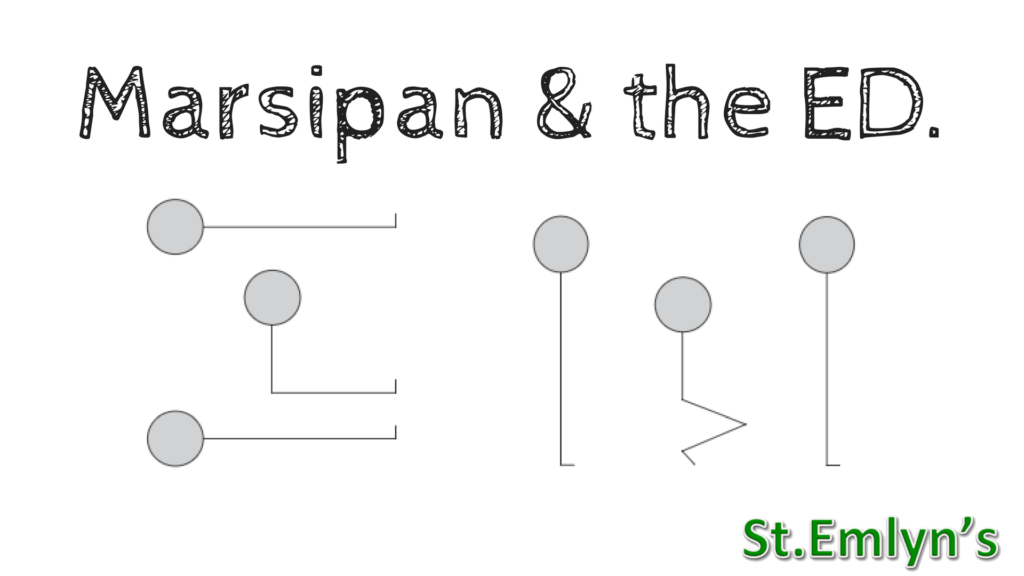
Vicky Vella’s 2017 introduction to MARSIPAN explores the medical risks of anorexia nervosa and why they matter in emergency care. It discusses recognising physical deterioration, assessment and coordination with admitting teams, drawing on the adult and junior guidance available at the time.
This 2016 companion to the upper gastrointestinal bleeding podcast covers recognition, resuscitation, transfusion, risk assessment and referral for endoscopy. It also discusses variceal bleeding and rescue measures, reflecting the guidance and unresolved research questions available at the time.
Do clinicians and parents mean the same thing by ‘bilious’ or ‘projectile’ vomiting? This paediatric teaching post explores how language can obscure important findings, using vomiting in babies and children to illustrate clearer history-taking and recognition of possible surgical illness.
Does introducing a risk score genuinely reduce admissions and resource use? This 2012 follow-up appraisal of the Glasgow Blatchford Score examines selection bias, missing follow-up and the lack of a control group, explaining why a promising service evaluation can still leave important questions unanswered.