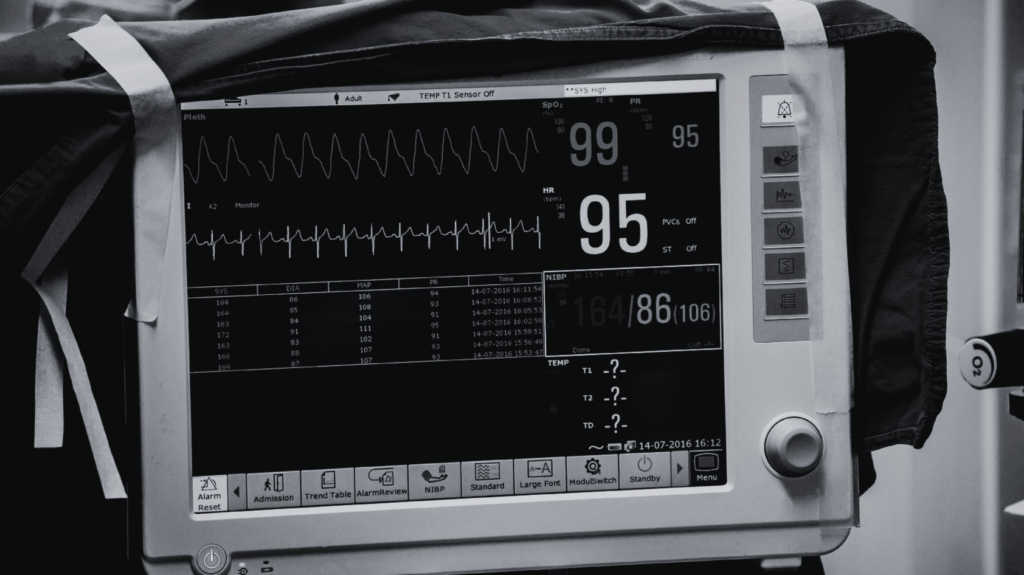
Delays in trauma transfer often come from switching monitors. This tip explains the case for portable monitoring from arrival, alongside early checks of oxygen supplies and transfer equipment, to reduce avoidable steps before CT or theatre.
What do trials of smoking cessation in the ED show? Greg Yates reviews the evidence for interventions that include nicotine replacement therapy, the variation in treatment effects and the unresolved questions about resources, follow-up and the emergency department's role.
Clinician productivity depends on the conditions in which teams work. This article challenges the use of patients-per-hour targets in isolation and explores how space, staffing, diagnostics and crowding should shape the conversation about emergency department performance.
Iain and Simon revisit the RSI trial, trauma team leadership and the realities of corridor care. This January round-up also covers Code Red activation, trauma units and blood pressure targets after spinal cord injury.
When something goes wrong in healthcare, another training module is often the default response. Jesse Spurr examines the costs of that reflex and offers six steps for deciding when training is useful and when the system needs to change.
A preview of ICEM 2026 in Hamburg, introducing the programme, St Emlyn’s speakers and the value of exchanging ideas across emergency care systems. Simon Carley reflects on what an international meeting can offer clinicians working in different settings.