How can teams rehearse a new clinical pathway without a mannequin or simulated casualty? This February 2020 introduction to Practical Exercises Without Casualties uses a suspected coronavirus scenario to explore in-situ planning, communication and decision-making, with prompts that can be adapted to other situations.
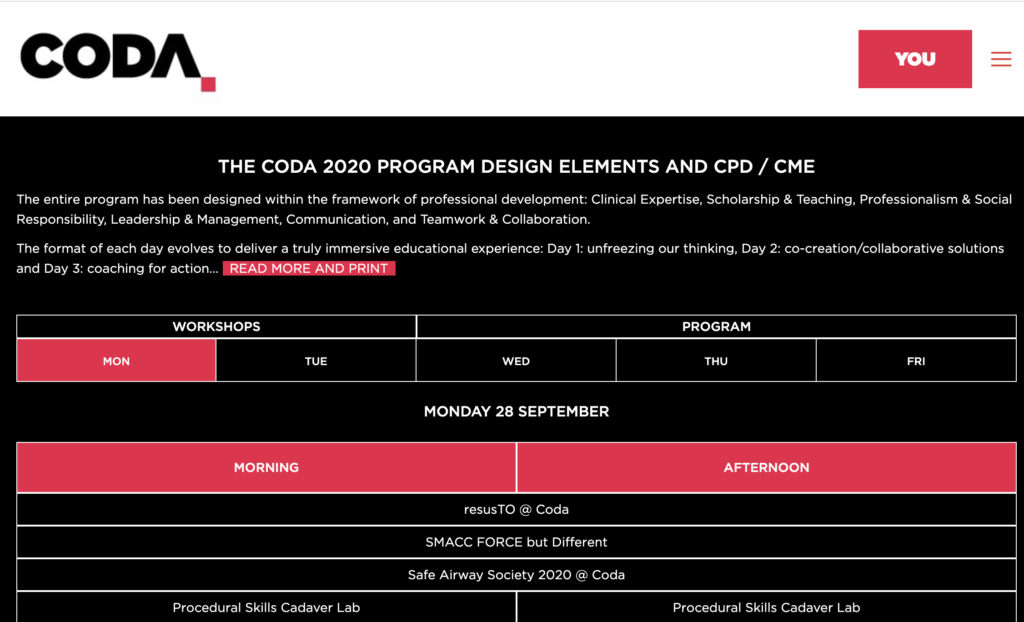
A February 2020 preview of the proposed CODA conference programme in Melbourne. Simon Carley describes its links with SMACC, its wider clinical audience and the planned combination of medicine, ethics, education and environmental concerns, including scrutiny of the conference's own impact.
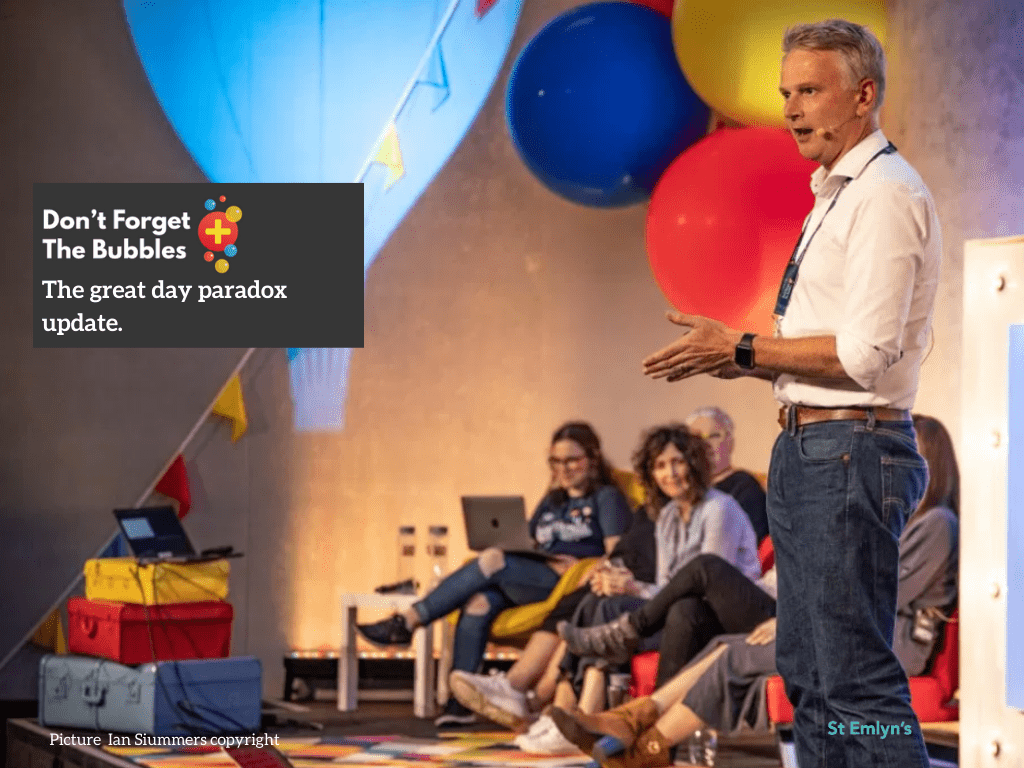
Why can a satisfying day of emergency procedures be a patient's worst day? Simon Carley's DFTB talk and accompanying reflection examine that tension, the motives behind interventions and the emotional support clinicians and learners need when a resuscitation becomes difficult or ends badly.
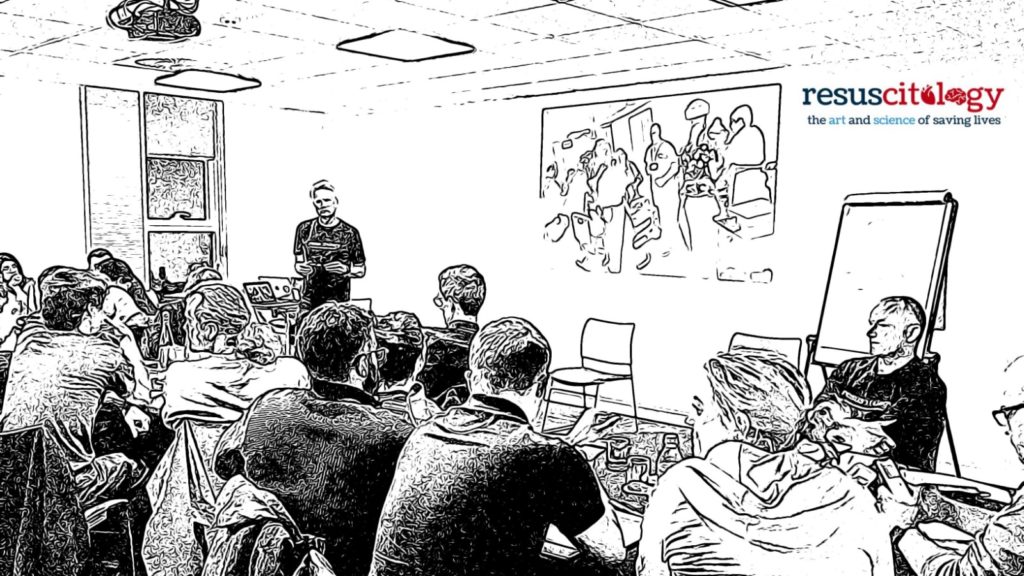
A review of the first UK Resuscitology course in Manchester, using challenging cases to examine how teams think and act during resuscitation. The article introduces STEPS and GPAS analysis, connects them with the Zero Point Survey and shares visual summaries of the learning.
Does knowing that a patient died change how we judge their earlier care? This appraisal examines a study in which clinicians rated the same cases with different outcomes, then considers what hindsight bias means for reflection, feedback and fair discussion of difficult emergency medicine cases.
An introduction to RCEM's 2019 Wellness Compendium and related resources for supporting emergency medicine staff. The article explains how its brief topic guides complement St Emlyn's wellbeing book, with links to both publications and the EM-POWER material on sustaining an experienced workforce.