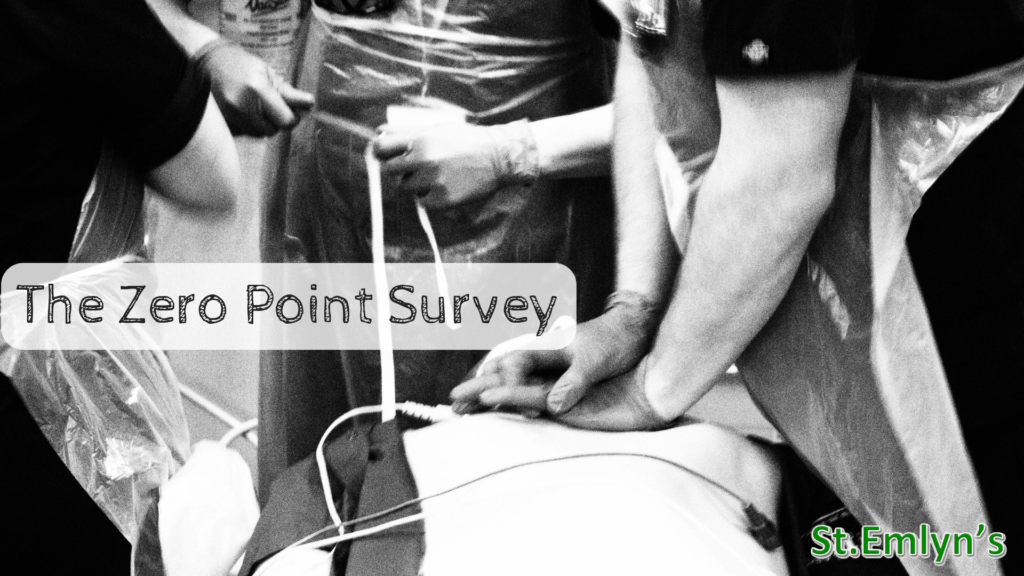
Resuscitation begins before the patient arrives. Simon Carley introduces the Zero Point Survey and its focus on the clinician, team and environment, explaining how shared preparation and mental models can be practised in simulation. He also reflects on role allocation and integrating the approach into everyday resuscitation training.
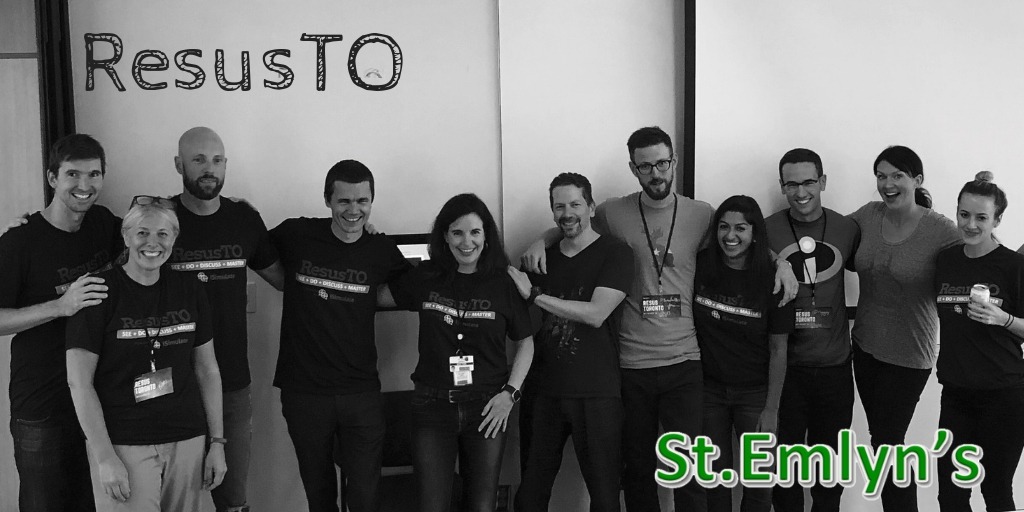
What happens when a resuscitation conference puts multidisciplinary learning and simulation at its centre? This report from the inaugural ResusTO in 2018 explores team behaviours, systems design, deliberate practice and hands-on workshops, with reflections on how small changes might strengthen resuscitation performance.
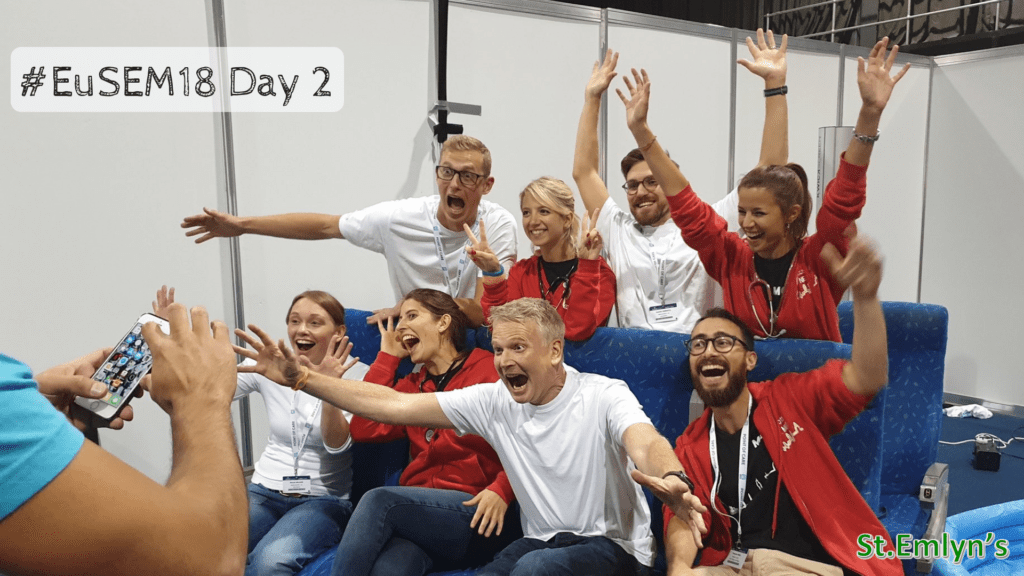
The second-day EuSEM 2018 report brings together pulmonary care, early EcLiPSE trial findings, care of older patients and interactive paediatric cases. It also reflects on performing under pressure and celebrates the RCEM team’s joint win in the Euro Sim Cup.
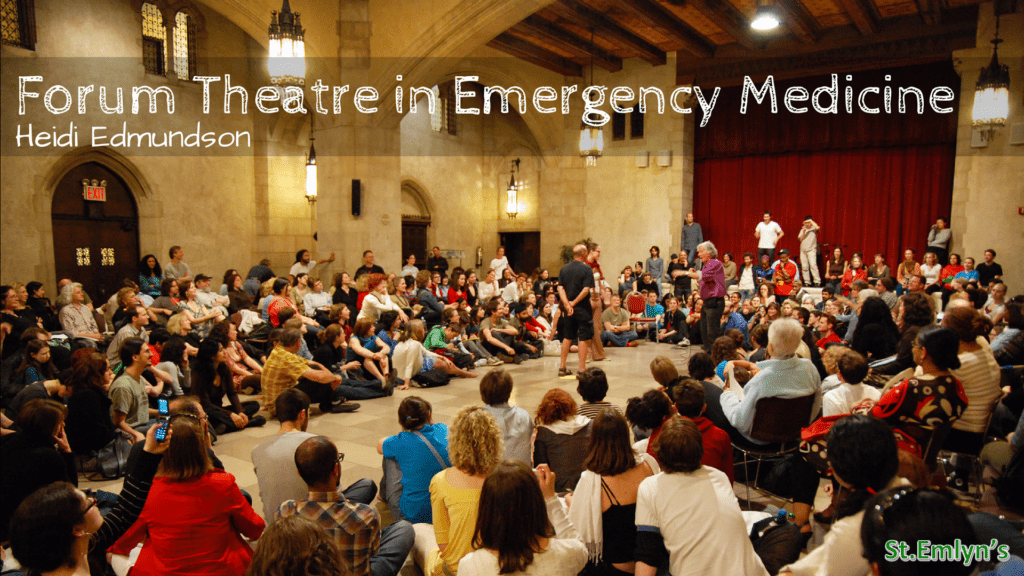
Heidi Edmundson describes bringing Forum Theatre into the emergency department to explore communication, power and staff wellbeing. By replaying difficult situations with audience members trying alternative responses, the project gave colleagues a way to examine everyday tensions together and consider how interactions might change.
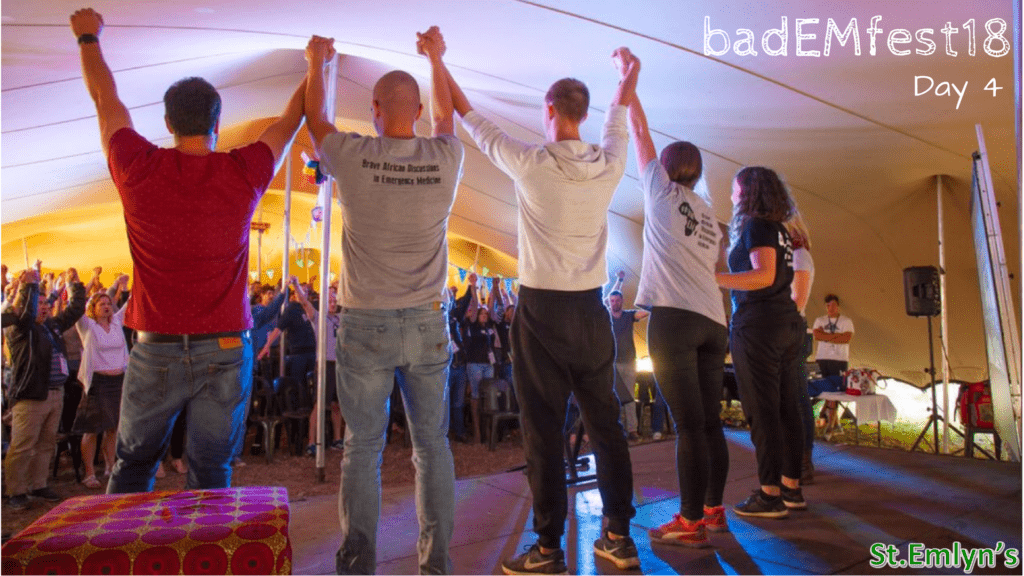
The final report from badEMfest 2018 brings together workshops on simulation, major incidents and venomous plants and animals, followed by talks on organ donation, cruise ship medicine and patient safety. Simon Carley and Natalie May reflect on the shared learning and connections that made the gathering memorable.
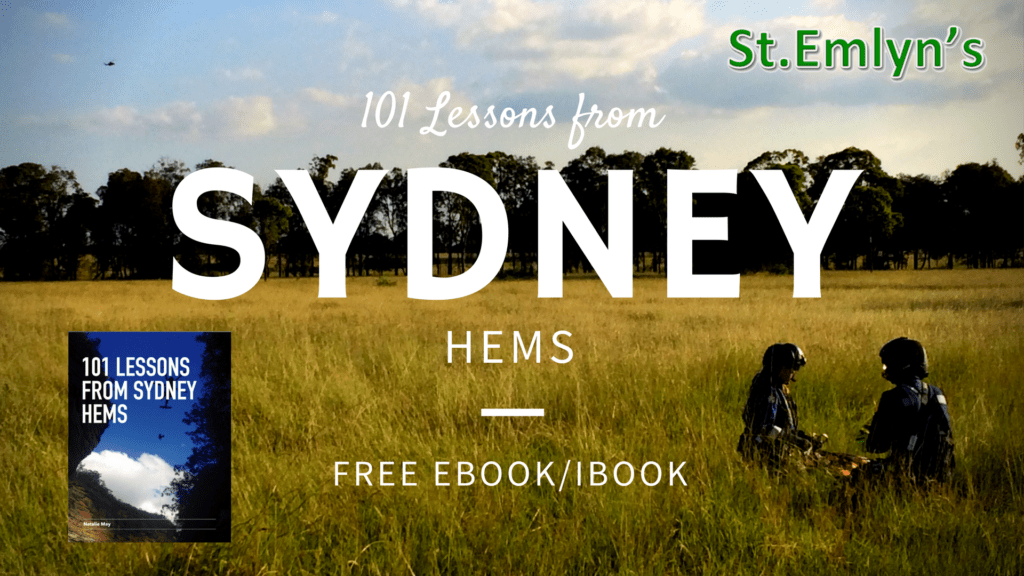
Natalie May introduces the e-book collecting her reflections from Sydney HEMS, with 104 lessons drawn from the original blog series. This 2017 announcement explains the collection’s additional photographs, foreword and chapter on entering prehospital and retrieval medicine, and links back to the seven source posts.