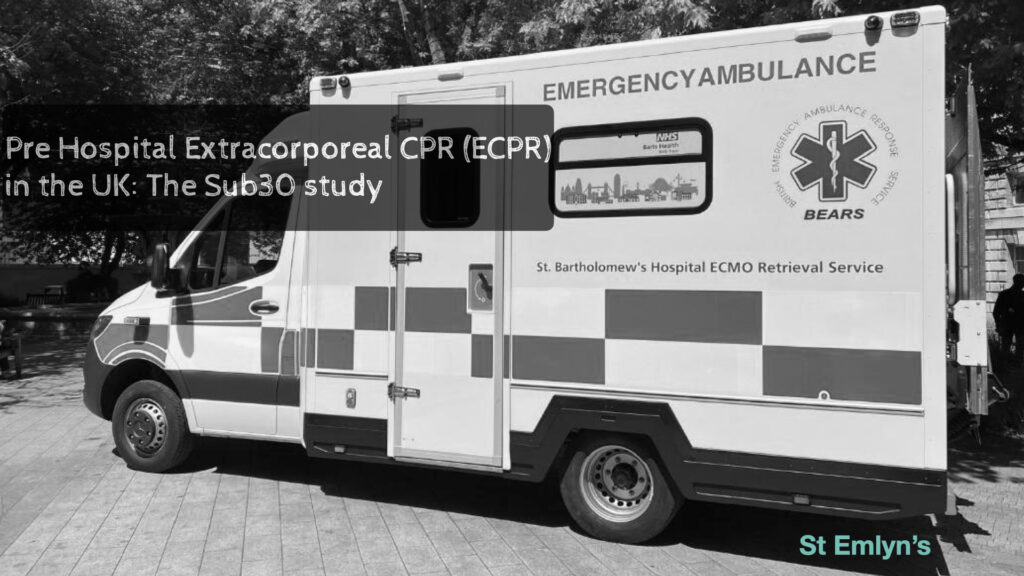
The Sub30 study tested whether a London prehospital team could establish extracorporeal CPR within 30 minutes of cardiac arrest. This appraisal examines the logistical lessons, the small patient group and the distinction between demonstrating feasibility and showing a survival benefit.
This podcast reflects on four days at the London Trauma Conference 2024, from cardiac arrest and prehospital critical care to trauma in older patients. The discussion also considers clinician wellbeing, training and the human side of caring for injured patients.
This retrospective study explores the link between intra-arrest arterial blood pressure (IBP) and return of spontaneous circulation (ROSC) in out-of-hospital cardiac arrest (OHCA).
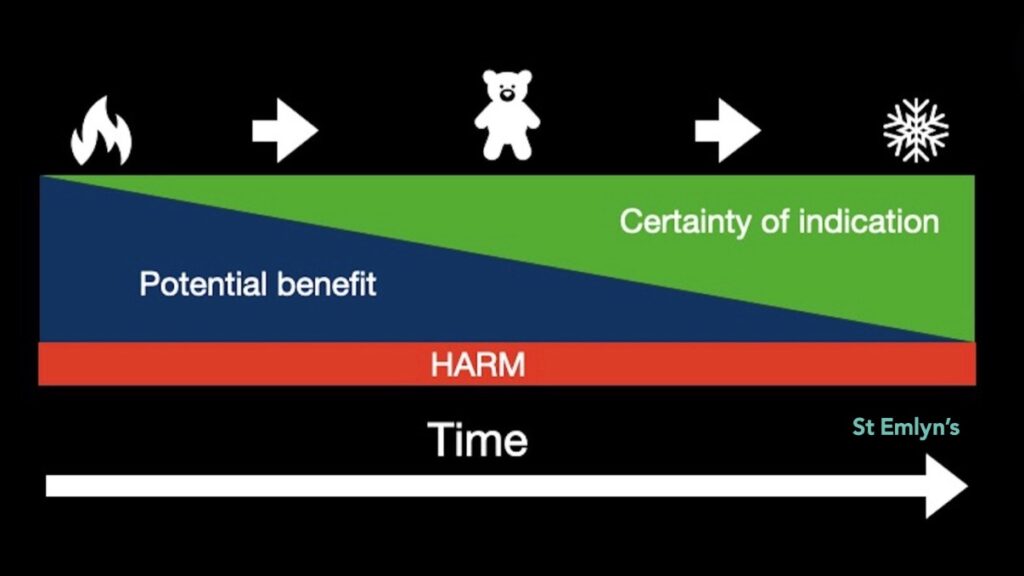
When is the right moment to perform a high-stakes emergency procedure? This reflection uses the Goldilocks analogy to explore the harm of acting too early or too late, the uncertainty between those extremes and how training and peer review might develop judgement.
A London Air Ambulance cohort study explores partial REBOA for trauma patients with life-threatening bleeding and recent or imminent cardiac arrest. This appraisal considers feasibility, survival and patient selection, alongside the limits of a small observational study and the training and systems needed to deliver the technique.
Does the interval between two shocks matter in double sequential external defibrillation? This appraisal examines a secondary analysis in refractory out-of-hospital cardiac arrest, including the distinction between terminating ventricular fibrillation and improving survival.