What can point-of-care ultrasound add when a patient presents in shock? This 2021 review explores ultrasound protocols, diagnostic accuracy and patient outcomes, questioning a uniform scanning approach and considering how clinical context and pre-test probability can guide a focused examination.
Could carotid ultrasound make pulse checks more reliable? Natalie May examines a proof-of-concept study using recordings from patients undergoing cardiac surgery, and explains why interpreting those images is a different challenge from obtaining and using them during a real cardiac arrest.
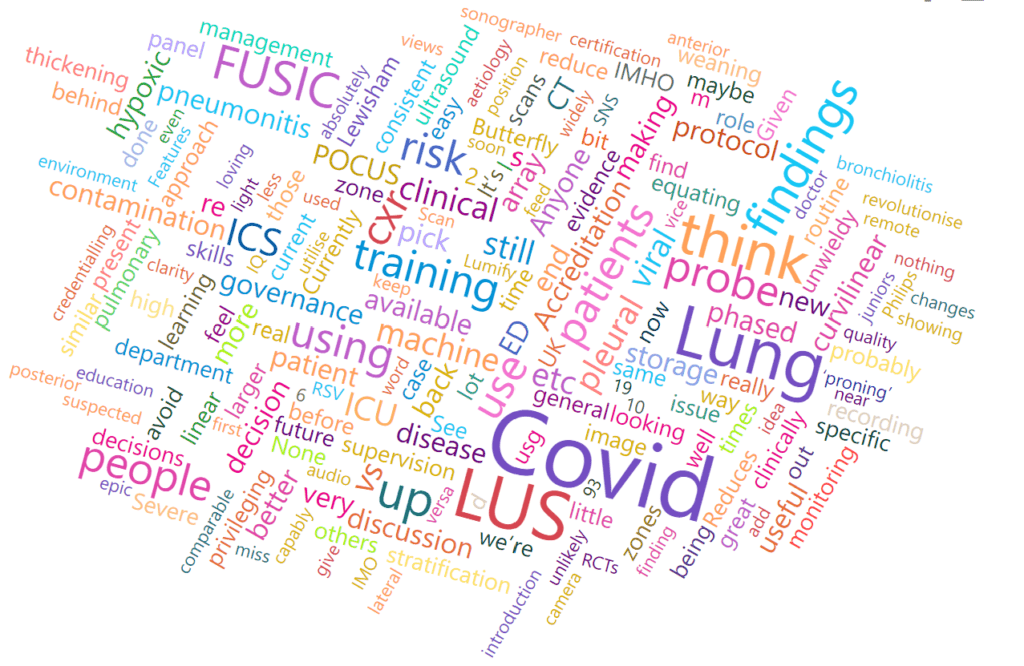
Notes from an April 2020 discussion of point-of-care ultrasound in suspected COVID-19. The authors explore lung scanning, interpretation, decontamination, triage and training, while recognising that the evidence was developing and ultrasound findings needed to be considered alongside clinical probability and alternative diagnoses.
A March 2020 exploration of lung ultrasound in suspected COVID-19, from scanning patterns and interpretation to equipment cleaning and training. Cian McDermott examines the emerging evidence and practical tradeoffs, including staff exposure, alternative diagnoses and the limits of using ultrasound in isolation.
Rick Body looks back at a decade of change in emergency diagnostics, from high-sensitivity troponin to decision aids and more individualised estimates of risk. Written as 2020 began, the review also considers where artificial intelligence, point-of-care testing and remote healthcare might take the next decade.
Dan Horner reviews outpatient pulmonary embolism care in this article supporting his 2019 RCEM CPD talk. It examines patient selection, follow-up and British Thoracic Society guidance, alongside conflicting evidence about investigating suspected pulmonary embolism in pregnancy.