When does presumed alcohol intoxication conceal something more serious? Natalie May reviews two observational studies of altered consciousness, including patients without detectable alcohol and those with coexisting critical illness. The discussion explores diagnostic bias, the limits of alcohol testing and the importance of looking beyond the initial label.
Could routine HIV testing make emergency care a stronger public-health opportunity? This 2017 discussion examines the rationale behind NICE’s 2016 guidance, including local prevalence, consent and follow-up. It considers how ED screening might reach people who do not attend sexual-health services and reduce barriers to diagnosis.
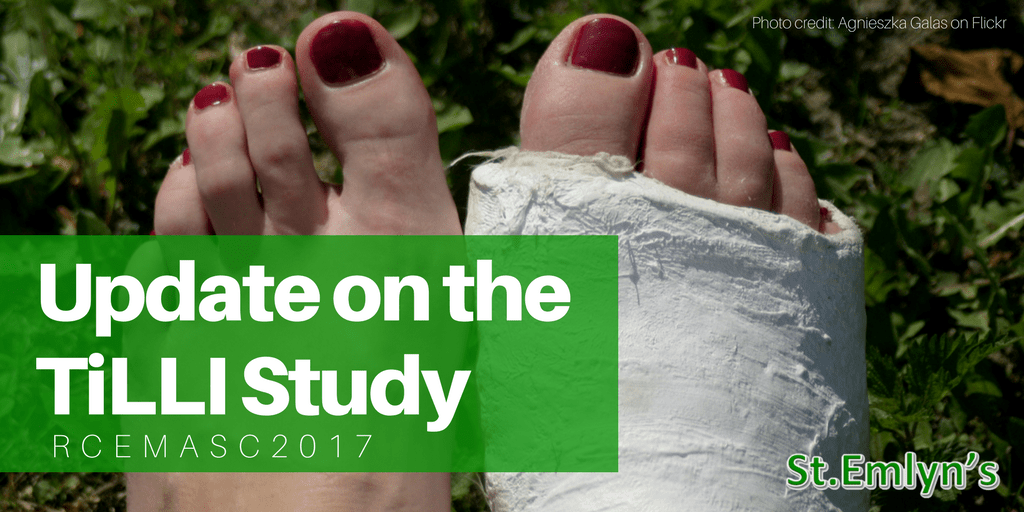
Who should receive thromboprophylaxis after lower-limb immobilisation? This RCEM 2017 update introduces the TiLLI project, reviews the uncertainty around risk prediction and outlines how evidence synthesis, expert consensus and economic modelling could inform more consistent decisions.
A useful travel history goes beyond asking where someone has been. This guide explores itinerary, symptom timing, immunisations, prophylaxis and possible exposures, showing how the details can inform assessment of imported infection and conversations with infectious disease colleagues.
An accessible 2017 introduction to HIV pre-exposure prophylaxis explains why PrEP matters to emergency clinicians and patients. It discusses the evidence available then, sexual-health follow-up and the limits of protection, with access and prescribing details reflecting that period.
Busy shifts can make eating and drinking feel like an afterthought. Drawing on personal experience, Janos Baombe considers meal preparation, breaks, snacks and hydration, encouraging clinicians to give their own basic needs more attention during the working day.