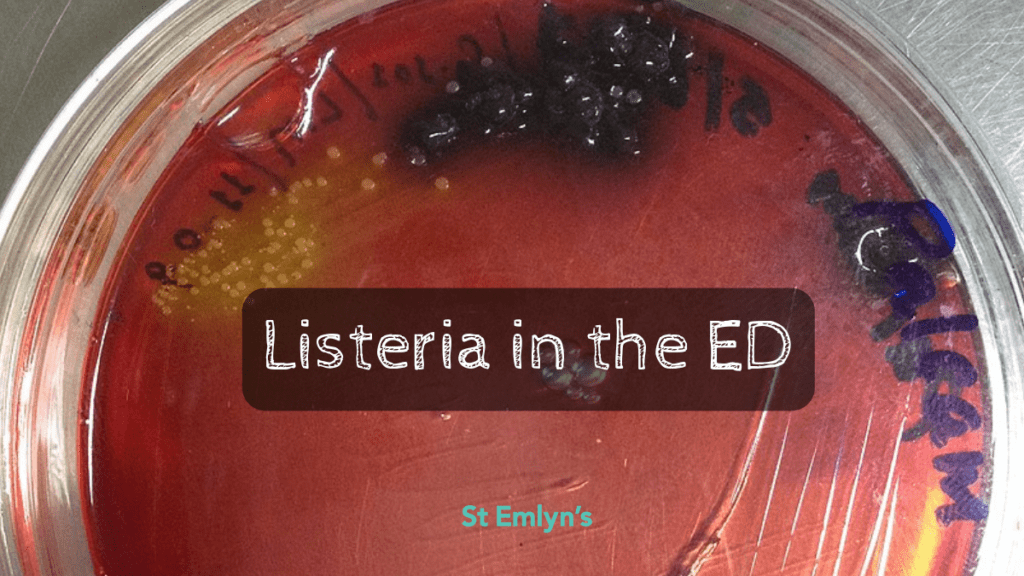
This 2019 overview of Listeria covers foodborne transmission, groups at higher risk and the range of clinical presentations. It considers investigation and recognition of serious infection, with treatment decisions referred to local microbiology advice and guidance.
Advocacy and bedside care came together on the final morning of SMACC 2019. This report explores violence prevention, climate change and emergency care in Malawi, alongside debates about resuscitation, intubation and the balance between ultrasound technology and clinicians’ skills.
This January 2019 update examines the November 2018 changes to the UK Green Book’s tetanus guidance. Chris Gray discusses wound classification, vaccination and immunoglobulin recommendations, then considers the evidence and unanswered questions behind those changes. It is a historical guideline discussion.
This 2018 overview explores HIV in emergency medicine, from assessing exposure and recognising infection to caring for people receiving antiretroviral therapy. It also introduces post-exposure and pre-exposure prophylaxis. The discussion reflects the guidance available at publication and should be read in that historical context.
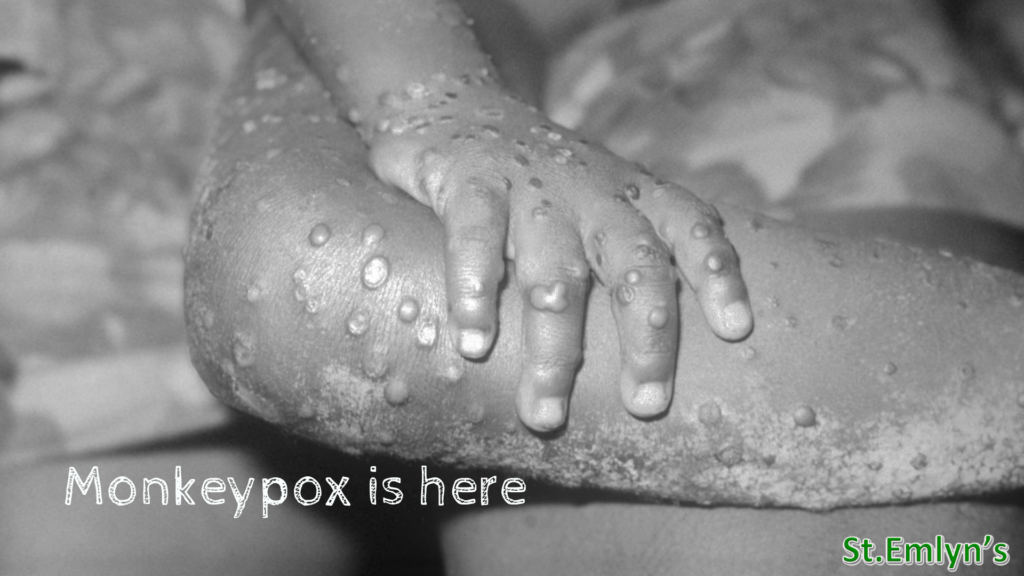
Written after two imported UK cases in September 2018, this article introduces the infection then described as monkeypox. It reviews transmission, clinical features and the importance of travel history, specialist assessment and infection precautions, reflecting the information and public health context available at that time.
Preparing for Manchester’s 2018 festival season, this article explores the emergency consequences of MDMA and other recreational drugs, including hyperthermia and hyponatraemia. It connects clinical preparedness with harm reduction and the importance of responding to patients without judgement, rather than focusing only on the substances involved.