Why did mortality remain so high among hypotensive patients needing emergency trauma laparotomy? Rich Carden’s 2018 discussion examines earlier studies, delays to surgery and damage control care, then explains the need for more detailed data and the planned TELA audit.
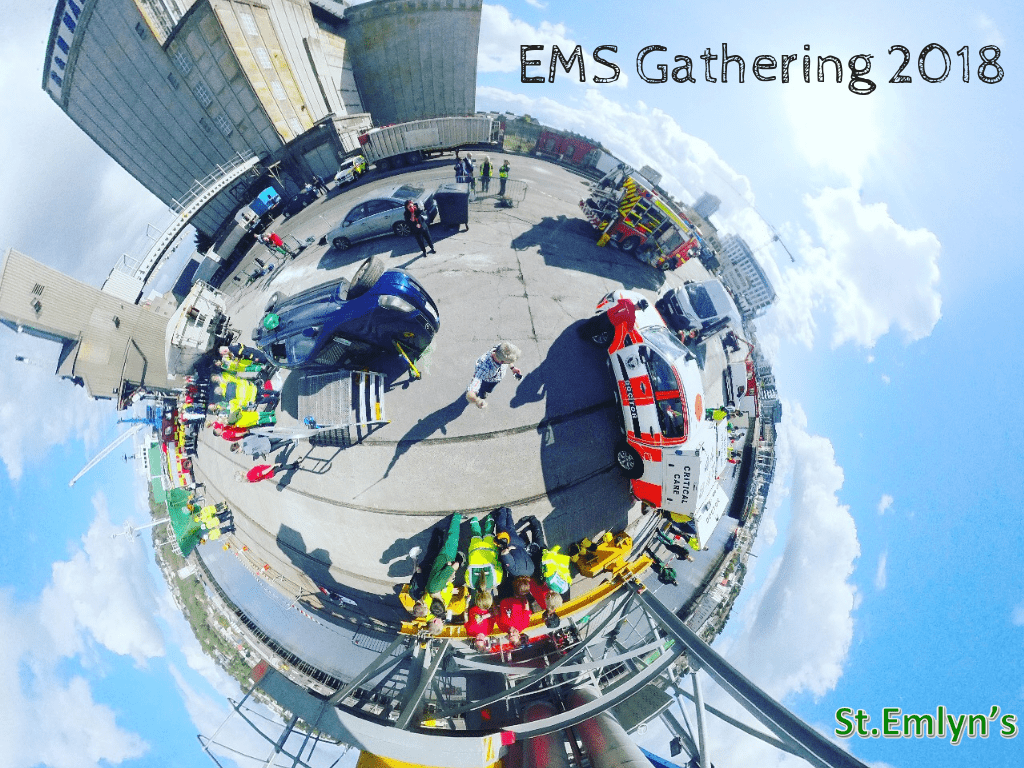
Simon Carley reviews the 2018 EMS Gathering in Cork in a podcast and accompanying conference report. Highlights include family presence during resuscitation, patients’ stories, outdoor learning and extrication simulation, alongside reflections on what emergency services can learn from one another.
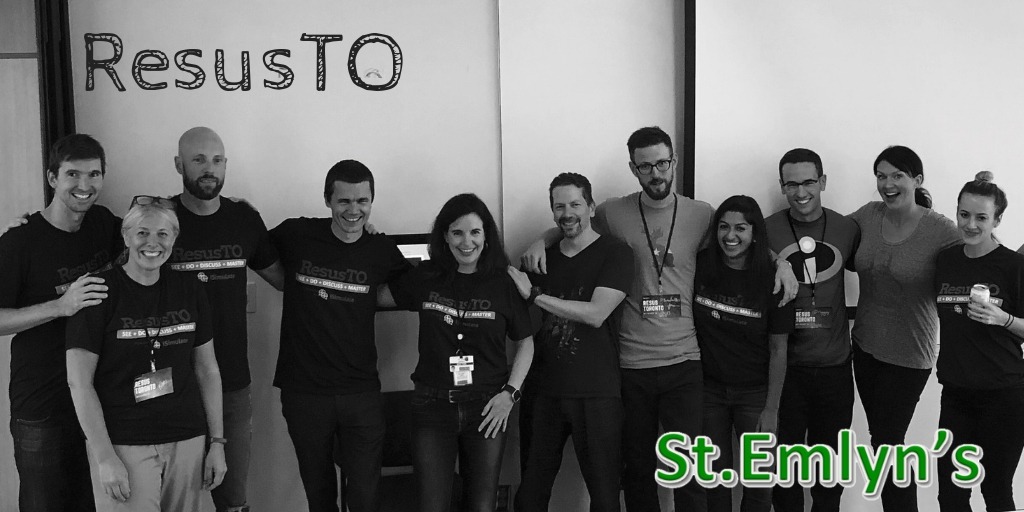
What happens when a resuscitation conference puts multidisciplinary learning and simulation at its centre? This report from the inaugural ResusTO in 2018 explores team behaviours, systems design, deliberate practice and hands-on workshops, with reflections on how small changes might strengthen resuscitation performance.
The 2018 PARAMEDIC-2 trial challenged assumptions about adrenaline in cardiac arrest. Simon Carley examines the distinction between improved survival and favourable neurological outcomes, the trial’s patient selection and the competing arguments about practice, stressing why the results need more than a simple yes-or-no interpretation.
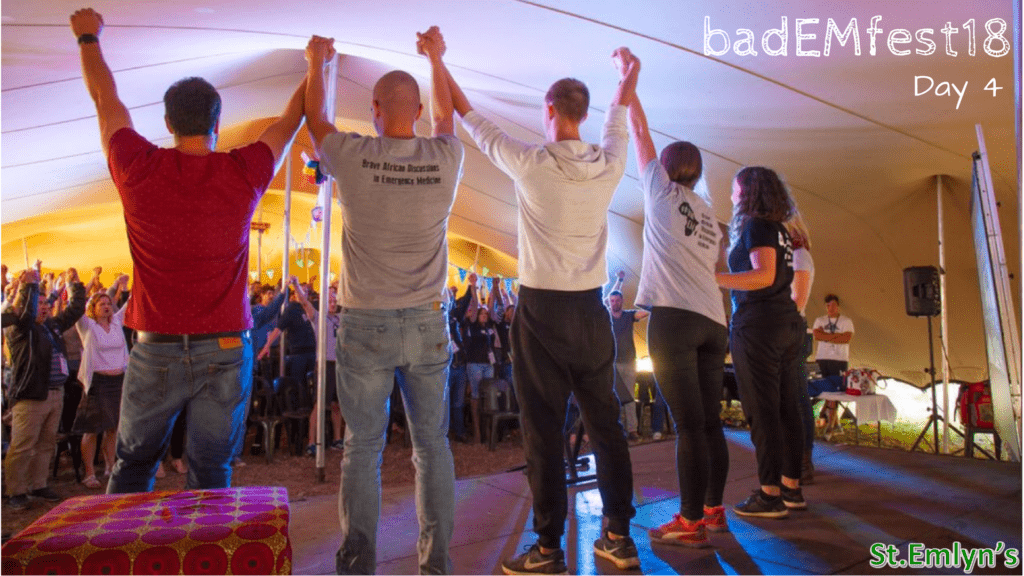
The final report from badEMfest 2018 brings together workshops on simulation, major incidents and venomous plants and animals, followed by talks on organ donation, cruise ship medicine and patient safety. Simon Carley and Natalie May reflect on the shared learning and connections that made the gathering memorable.
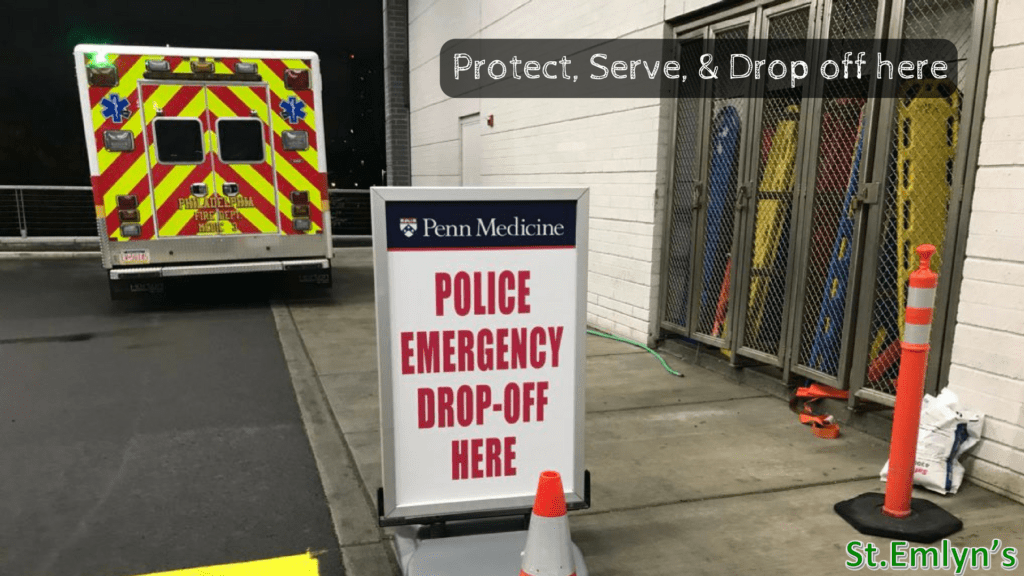
Should police transport patients with penetrating trauma when an ambulance is unavailable? This 2018 review explores Philadelphia’s experience, weighing speed and access against the absence of care en route, unpredictable arrivals and wider trauma-system risks. It considers why coordination between police, EMS and hospitals matters.