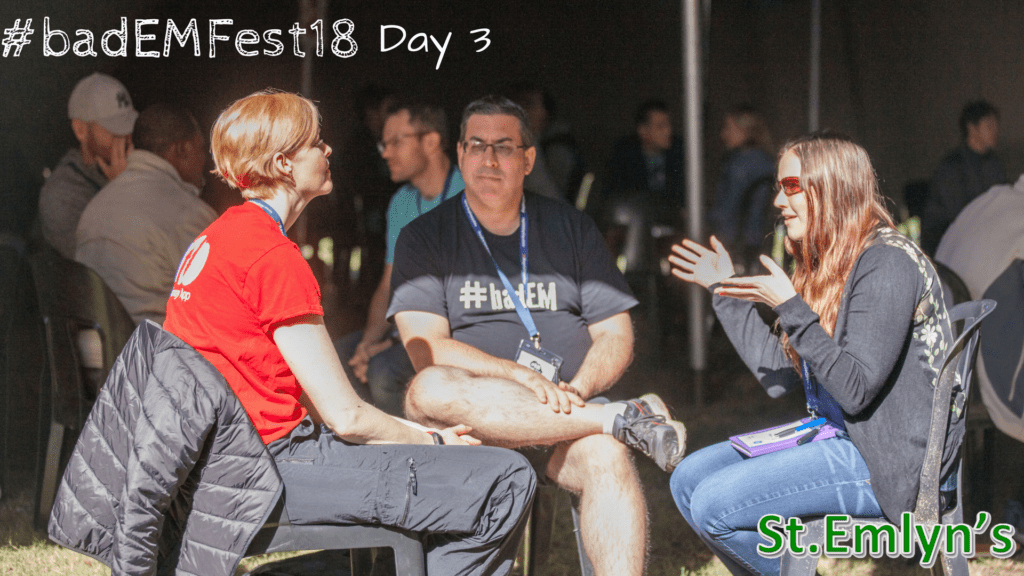
Day three of badEMfest 2018 connects prehospital and retrieval learning with the patient’s experience of care. Highlights include wilderness rescue, research priorities, end-of-life discussions, handwashing and chronic pain, alongside reflections on teamwork and what clinicians can learn from becoming patients themselves.
Chris Gray reports from the 2018 Northern Emergency Medicine conference in Durham. The programme connects end-of-life care, frailty and prehospital developments with workforce roles, burnout and major-incident preparation. Reflections on the Manchester attack underline the importance of understanding both the response plan and support for colleagues.
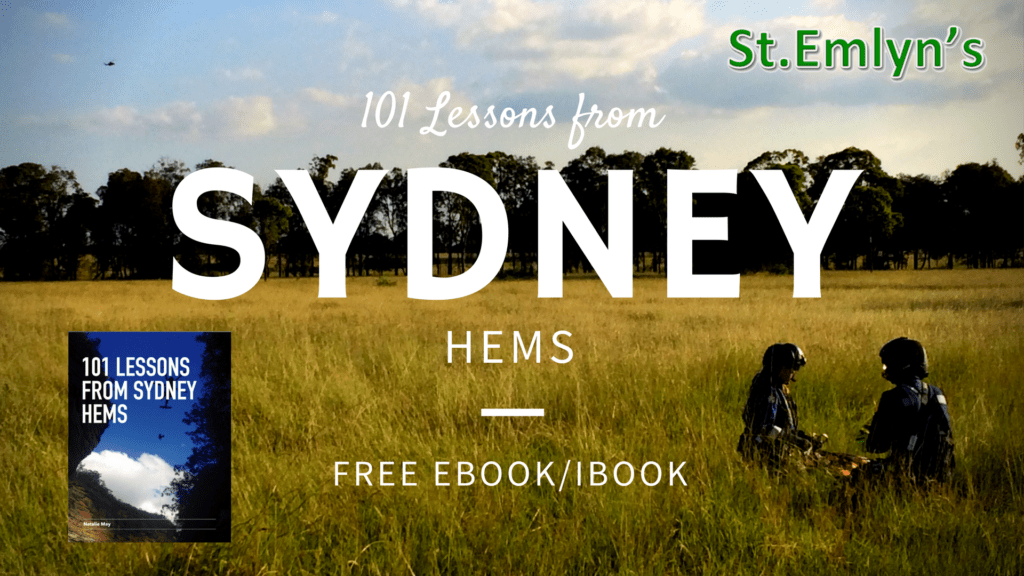
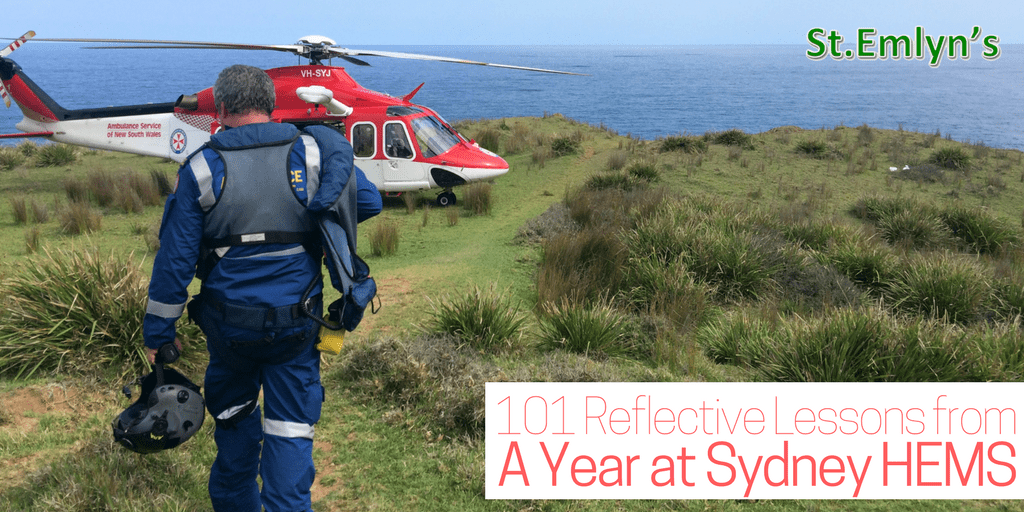
Natalie May introduces the e-book collecting her reflections from Sydney HEMS, with 104 lessons drawn from the original blog series. This 2017 announcement explains the collection’s additional photographs, foreword and chapter on entering prehospital and retrieval medicine, and links back to the seven source posts.
What can civilian and military teams learn from each other about mass casualty incidents? Reflections from AAST 2017 examine preparation, unexpected casualty arrivals, staff safety and the psychological toll, asking why familiar lessons still fail to reach practice.
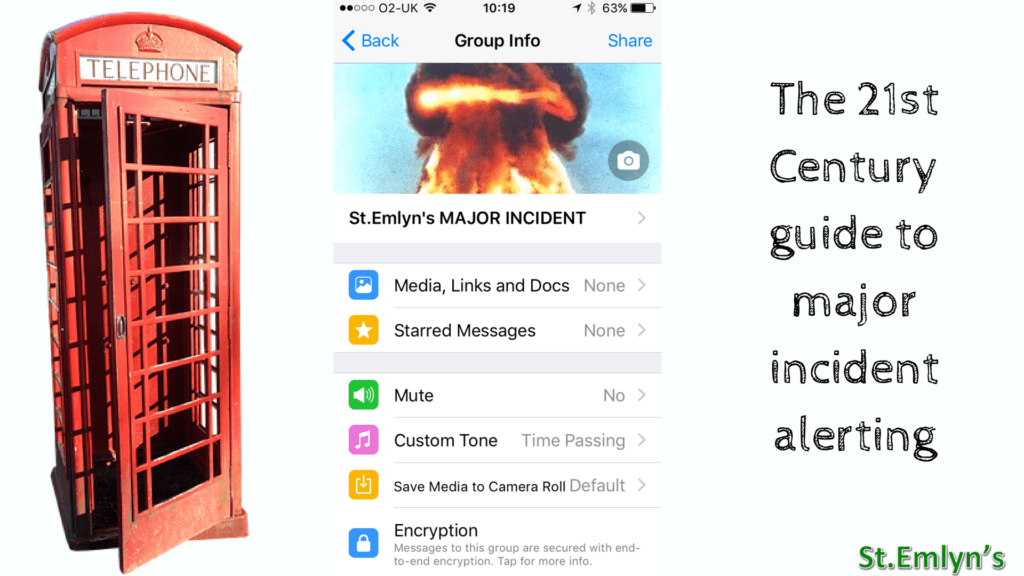
Drawing on the 2017 Manchester and London attacks, this post examines how hospitals alert and mobilise staff during a major incident. It discusses structured METHANE messages, coordinating responses and planning cover beyond the first wave, alongside the limitations of messaging groups.
Self-care in retrieval medicine starts with ordinary needs: food, rest, sleep and time away from work. This sixth instalment of the Sydney HEMS reflections considers team morale, fitness and the culture of working while ill, drawing on a year of personal experience.