What can early pupil responses tell us after cardiac arrest? This 2018 review examines a large French observational study, separating association with outcome from the ability to predict an individual patient’s recovery. It challenges decisions based on a single early finding and considers how prognosis is discussed.
SALT-ED compared balanced crystalloids with saline in adults admitted from the emergency department to non-critical-care beds. This 2018 appraisal distinguishes the neutral primary outcome from the signal in kidney outcomes, examining pragmatic trial design, follow-up and the limits of applying one centre’s findings more widely.
Did the SMART trial settle the debate about balanced fluids and saline in intensive care? This 2018 journal club examines its cluster-randomised design, small difference in a composite kidney outcome and interpretation of mortality findings. It asks how much weight clinicians should give the results.
Can inhaling an alcohol swab ease nausea in the emergency department? This 2018 appraisal examines a small trial comparing isopropyl alcohol and oral ondansetron combinations. It considers symptom relief, difficulties with blinding and sampling limitations, explaining why the findings do not establish a replacement for established antiemetic treatment.
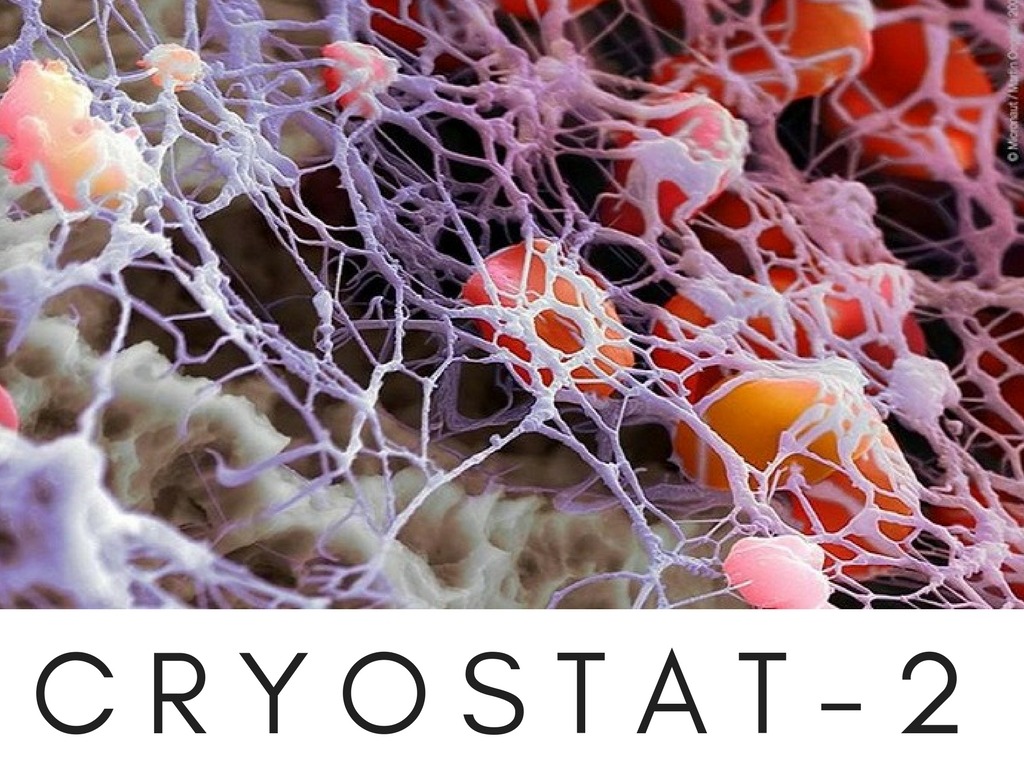
This 2018 introduction explains the question behind CRYOSTAT-2: could early cryoprecipitate improve survival after major traumatic bleeding? It outlines the rationale for fibrinogen replacement, the planned randomised trial, eligibility criteria and patient-centred outcomes. This is a preview of the study, before its results became available.
The September 2018 podcast roundup revisits airway management after out-of-hospital cardiac arrest, the Zero Point Survey and pulmonary embolism. Its linked reading also covers neonatal emergencies, equality in emergency medicine and reports from EMS Gathering, ResusTO and EuSEM, bringing together the month’s clinical and professional discussions.