Does a bougie improve first-pass success during emergency intubation? Simon Carley reviews a 2018 randomised comparison with a tube and stylet, examining the results alongside operator experience, laryngoscope choice and local practice. He asks how confidently a single US centre’s findings can be applied elsewhere.
More oxygen is not necessarily better. This 2018 journal club examines a systematic review comparing liberal and conservative oxygen strategies in acutely ill adults. Simon Carley considers mortality findings, the size of the absolute effect and why even a meta-analysis needs careful critical appraisal.
When does presumed alcohol intoxication conceal something more serious? Natalie May reviews two observational studies of altered consciousness, including patients without detectable alcohol and those with coexisting critical illness. The discussion explores diagnostic bias, the limits of alcohol testing and the importance of looking beyond the initial label.
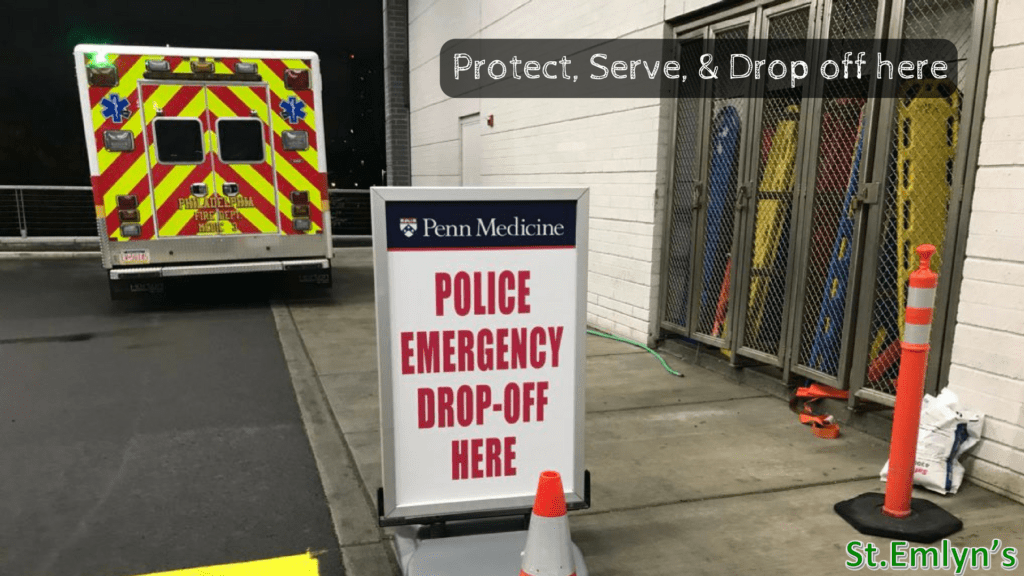
Should police transport patients with penetrating trauma when an ambulance is unavailable? This 2018 review explores Philadelphia’s experience, weighing speed and access against the absence of care en route, unpredictable arrivals and wider trauma-system risks. It considers why coordination between police, EMS and hospitals matters.
Simon Carley selects ten trauma papers for the 2018 Trauma Care UK conference, focusing on questions that might change bedside practice. Topics range from imaging and transport to brain injury, pneumothorax and team performance, with critical discussion of study limitations and the challenges of translating evidence into care.
Should injured children receive whole-body or selective CT? Natalie May examines a 2018 observational study of paediatric trauma, explaining propensity-score adjustment and what its mortality findings can—and cannot—tell us. The discussion challenges the assumption that adult imaging practice should automatically transfer to children.