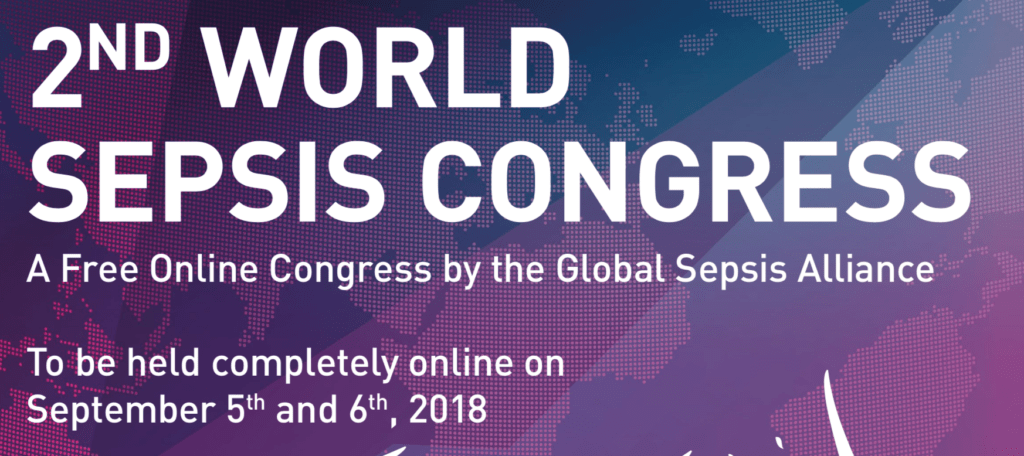
This preview of the September 2018 World Sepsis Conference considers what a free online meeting can offer. Simon Carley reflects on access, diversity, patient voices and the environmental costs of travel, asking how conferences might share learning more widely while retaining the value of meeting in person.
Did hydrocortisone improve outcomes in septic shock in the ADRENAL trial? This 2018 appraisal examines the absence of a demonstrated 90-day mortality benefit alongside secondary findings on shock resolution and time in intensive care. It explores trial design, patient selection and the limits of subgroup interpretation.
A useful travel history goes beyond asking where someone has been. This guide explores itinerary, symptom timing, immunisations, prophylaxis and possible exposures, showing how the details can inform assessment of imported infection and conversations with infectious disease colleagues.
Can procalcitonin reliably guide antibiotic decisions in the emergency department? This 2017 review traces the biomarker’s evidence across adults, children and intensive care, explaining why different populations, study questions and uncertain effects on outcomes complicate apparently promising results.
Could vitamin C, thiamine and steroids transform sepsis care? This 2017 appraisal interrogates a striking before-and-after study, exploring confounding, retrospective data and the risks of adopting an unproven treatment before reliable evidence of benefit and harm is available.
How well do SOFA, qSOFA and SIRS predict outcomes in patients with suspected infection? This 2017 review examines a large intensive-care database study, highlighting missing data, sensitivity and specificity, and the limits of applying ICU findings to the emergency department.