Did adding vitamin C and thiamine to hydrocortisone improve outcomes in septic shock? This 2020 VITAMINS appraisal examines a randomised comparison that found no improvement in its primary vasopressor-free-time outcome, while discussing the contrast with earlier observational claims and remaining questions about timing and patient selection.
A first look at the 65 trial as presented at Critical Care Reviews 2020. The review examines lower blood-pressure targets in older intensive care patients with vasodilatory hypotension, reduced vasopressor exposure and uncertainty around mortality, with a discussion of interpretation beyond statistical significance.
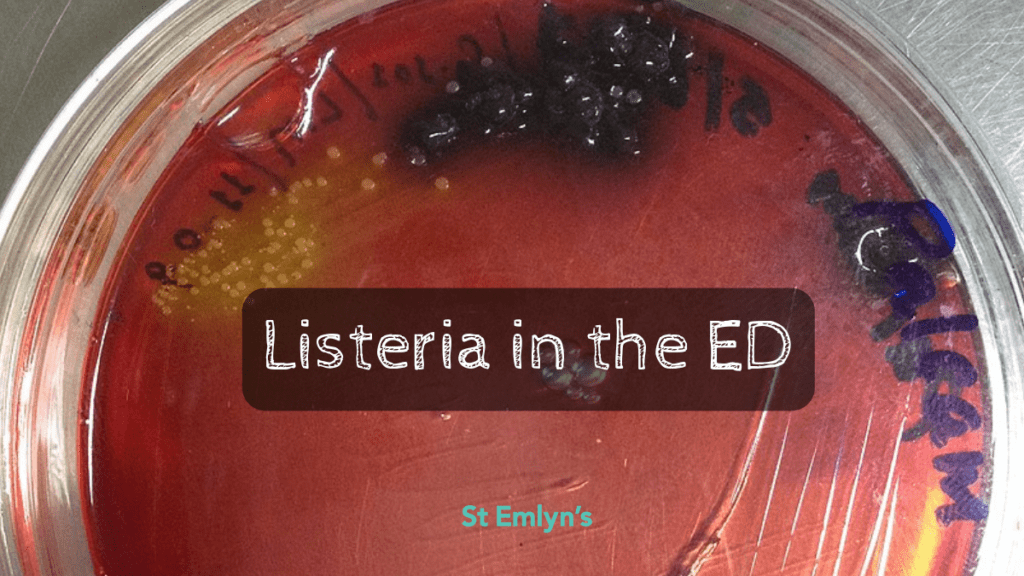
This 2019 overview of Listeria covers foodborne transmission, groups at higher risk and the range of clinical presentations. It considers investigation and recognition of serious infection, with treatment decisions referred to local microbiology advice and guidance.
This 2018 overview explores HIV in emergency medicine, from assessing exposure and recognising infection to caring for people receiving antiretroviral therapy. It also introduces post-exposure and pre-exposure prophylaxis. The discussion reflects the guidance available at publication and should be read in that historical context.
Neonates are more than miniature adults. Using a Micro Machines analogy, Natalie May’s 2018 teaching session revisits neonatal resuscitation and common emergency presentations, from feeding and cardiac problems to sepsis and seizures. It highlights the physiological differences that make assessment and early specialist support so important.
St Emlyn’s reports from the opening day of the joint EuSEM and RCEM conference in Glasgow in 2018. Highlights include toxicology, infectious diseases, analgesia and sedation, pulmonary embolism and human factors, with reflections on diagnostic reasoning and the challenges behind everyday emergency care.