Natalie May concludes her reflections on the 2018 FemInEM Ideas Exchange with talks about burnout, parenthood and the systems surrounding clinical work. The report also explores research in Tanzania, health advocacy, equity and the challenge of misinformation about women’s health.
The final day of the Intensive Care Society’s 2018 meeting brought together research updates and questions about the outcomes patients value. This report covers frailty, predictive technology, delirium and organ donation, alongside reflections on careful clinical care and the limits of simple solutions.
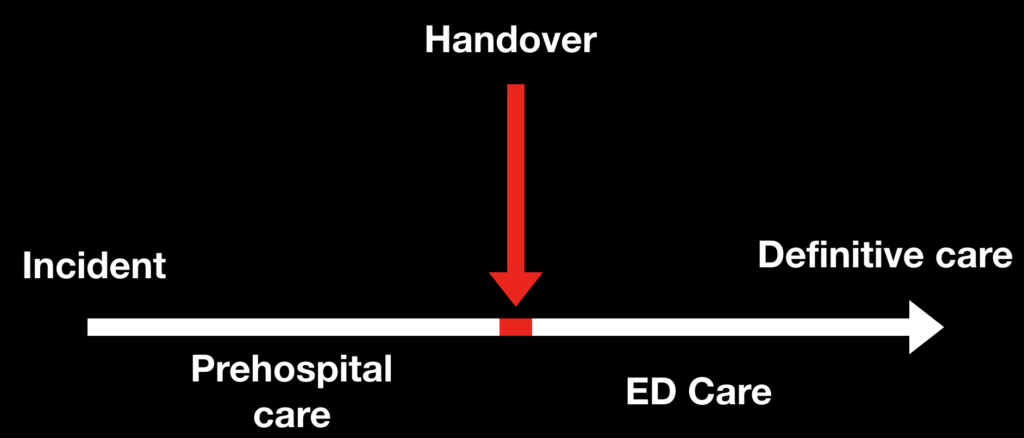
What makes a clinical handover work when a critically ill patient arrives? Drawing on a 2018 Intensive Care Society presentation, this post explores preparation, team attention, structured communication and follow-up. It offers adaptable principles for sharing essential information while recognising that urgent treatment sometimes takes priority.
The opening day of the Intensive Care Society’s 2018 meeting covered sepsis, moral injury and the response to the Salisbury Novichok incident. This report also follows discussions of delirium, extubation and frailty, including how patients’ goals can shape decisions about critical care.
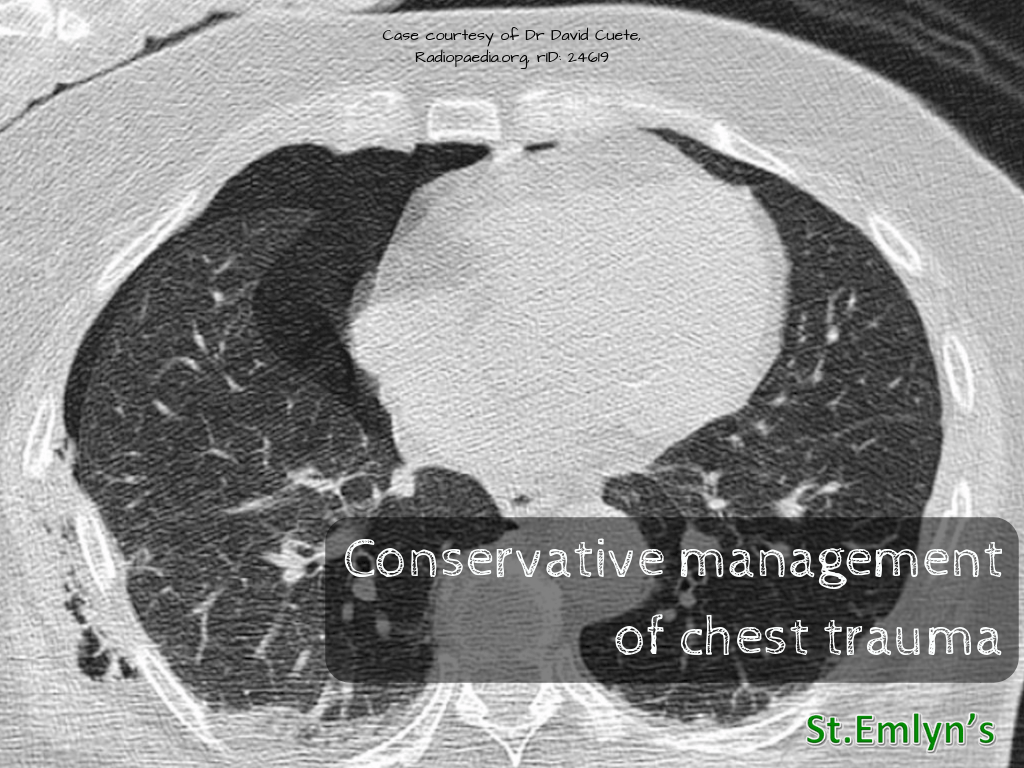
Can some traumatic pneumothoraces and haemothoraces be managed without a chest drain? This 2018 appraisal examines a UK observational study, including patients receiving positive-pressure ventilation. It considers selection bias, the limits of a single-centre dataset and the importance of monitoring when conservative management is chosen.
Salim Rezaie’s St Emlyn’s Live 2018 presentation explores cognitive offloading during cardiac arrest care. The accompanying notes discuss CPR, vascular access, airway management, medication and PEA assessment, explicitly bringing together published evidence and ideas for consideration. This is a historical presentation rather than an updated resuscitation guideline.