Could a simple cold-water stimulation technique shorten the wait for an infant’s urine sample? This 2017 appraisal of Quick-Wee examines the randomised trial, collection success, uncertain contamination findings and the practical challenge of providing uninterrupted attention in a busy ED.
An archived guide to RCEM curriculum changes discussed in 2016, including leadership, non-technical skills, complex older patients and chronic disease. The post also explains how St Emlyn’s resources were mapped to curriculum topics to support teaching and examination preparation.
An introduction to the St Emlyn’s Critical Appraisal Nuggets podcast series, launched in 2016 to help clinicians interpret research and prepare for exams. The first episode brings Simon Carley and Rick Body together to discuss randomisation, with links to further learning resources.
Natalie May’s SMACC Dublin workshop notes review the 2015 paediatric and neonatal resuscitation guidelines. This historical teaching resource covers airway and ventilation, unexpected deliveries, care after resuscitation and communication with families, explaining why newborn resuscitation needs particular preparation.
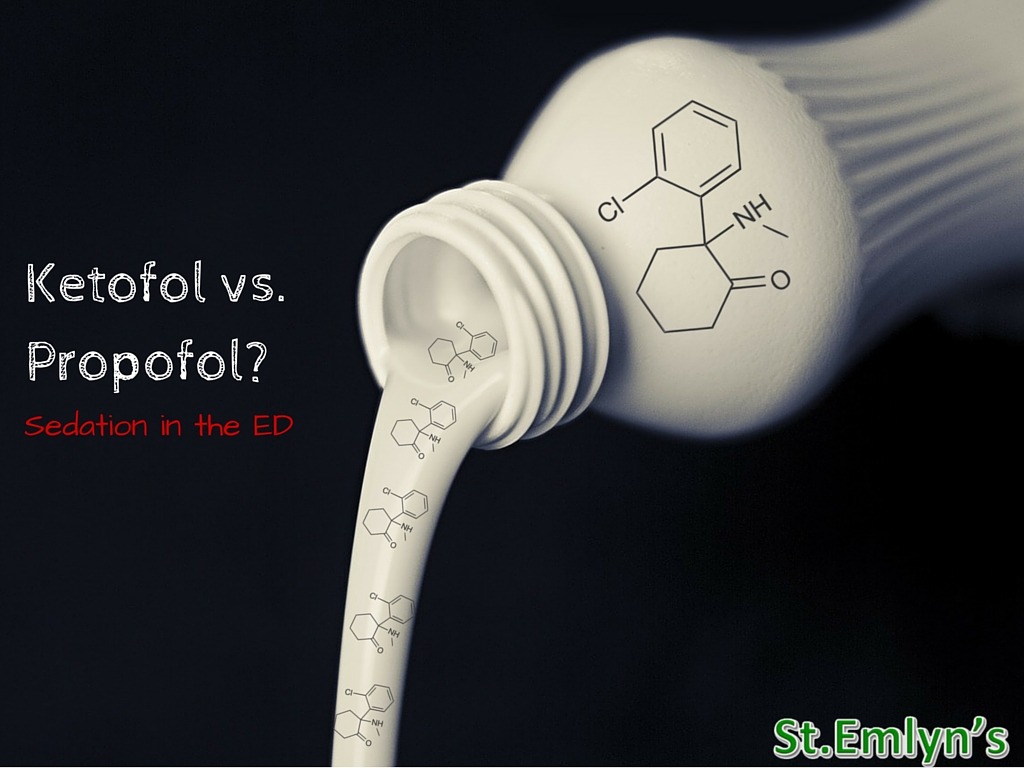
Does combining ketamine and propofol improve procedural sedation compared with propofol alone? This 2016 appraisal examines a systematic review’s complication findings, questioning how differences in patients, procedures and drug regimens—and limited information on sedation success—affect its relevance to emergency departments.
What does a raised lactate actually tell us? This 2015 physiology discussion revisits lactate production and clearance, then explores hypoxia, the stress response and interpretation in sepsis and trauma. It questions the leap from a marker of illness severity to a treatment endpoint.