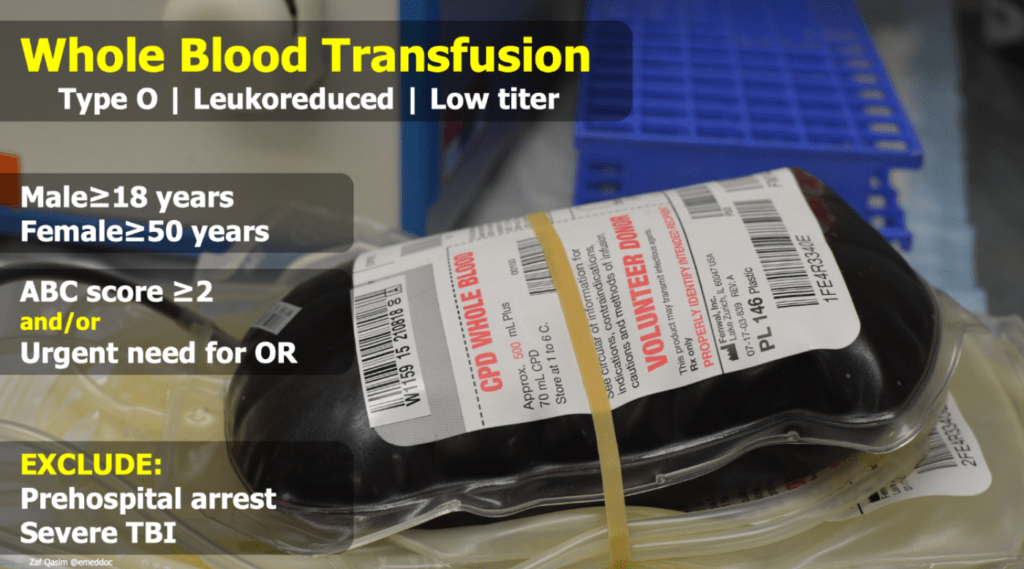
Why return to whole blood in major trauma? Zaf Qasim reviews the military experience, early civilian studies and practical challenges of introducing a whole-blood programme. This 2018 overview considers compatibility, storage and transfusion risks while acknowledging the limits of the evidence for civilian patients.
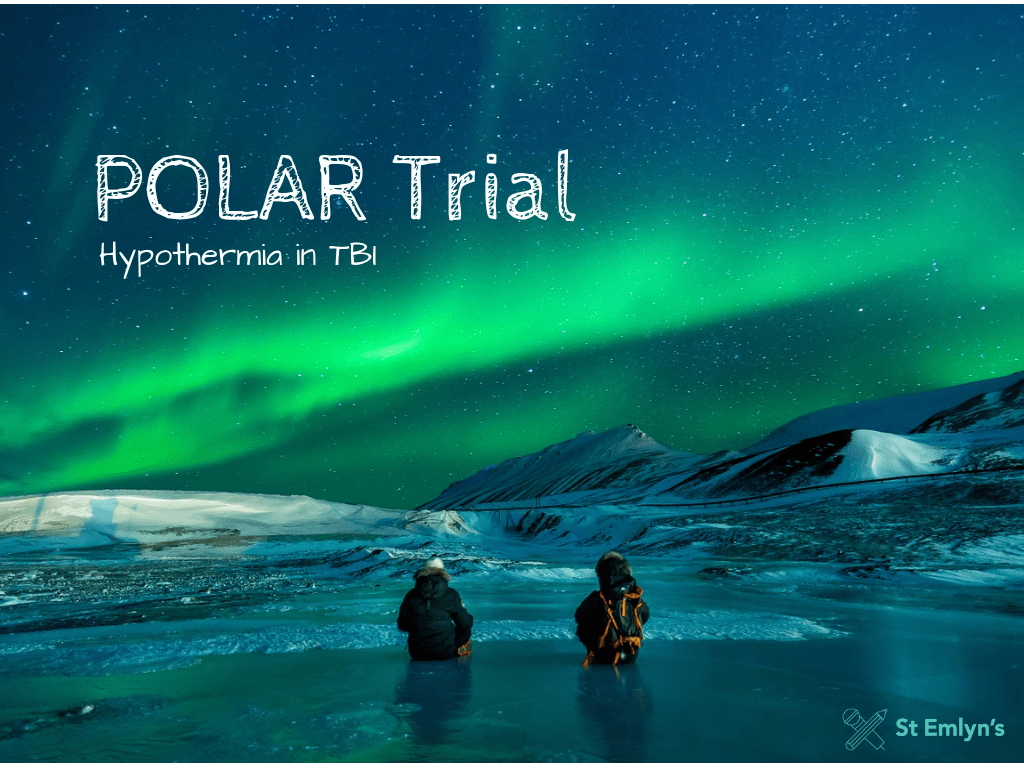
Does early hypothermia improve outcomes after traumatic brain injury? This review of the 2018 POLAR trial examines its patient selection, cooling strategy and six-month neurological outcomes. It discusses the absence of demonstrated benefit in this population and why the findings cannot answer every question about rescue cooling.
Does cricoid pressure still have a place in rapid sequence induction? Simon Carley appraises a large 2018 randomised trial, weighing aspiration outcomes against difficulties with laryngoscopy. He also considers the limits of applying operating-theatre evidence to emergency department patients and groups excluded from the study.
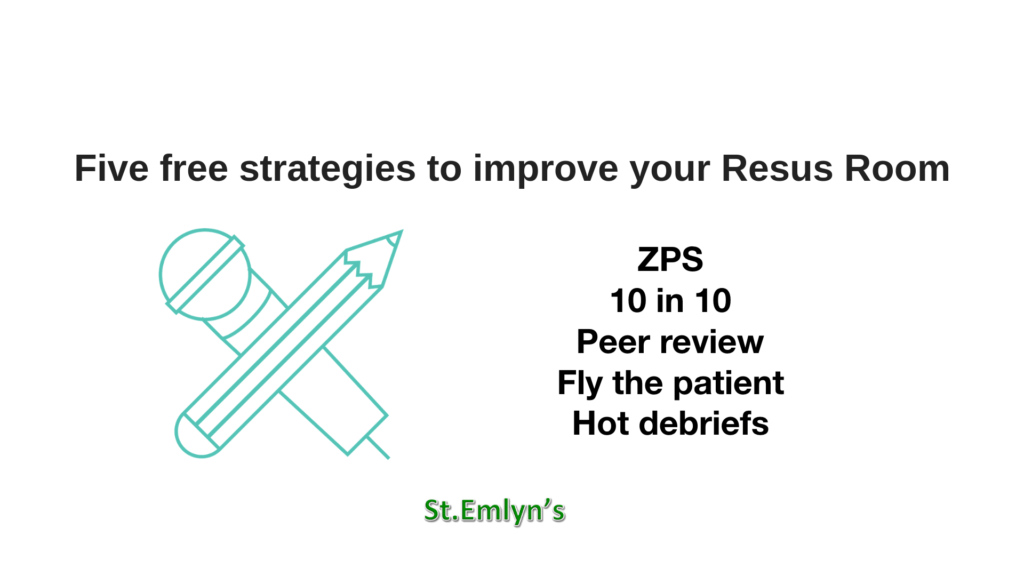
Simon Carley sets out five approaches to resuscitation practice that require no new equipment: preparation with the Zero Point Survey, regular team updates, separating immediate care from strategic thinking, peer observation and hot debriefs. This St Emlyn’s Live 2018 talk focuses on how teams work together.
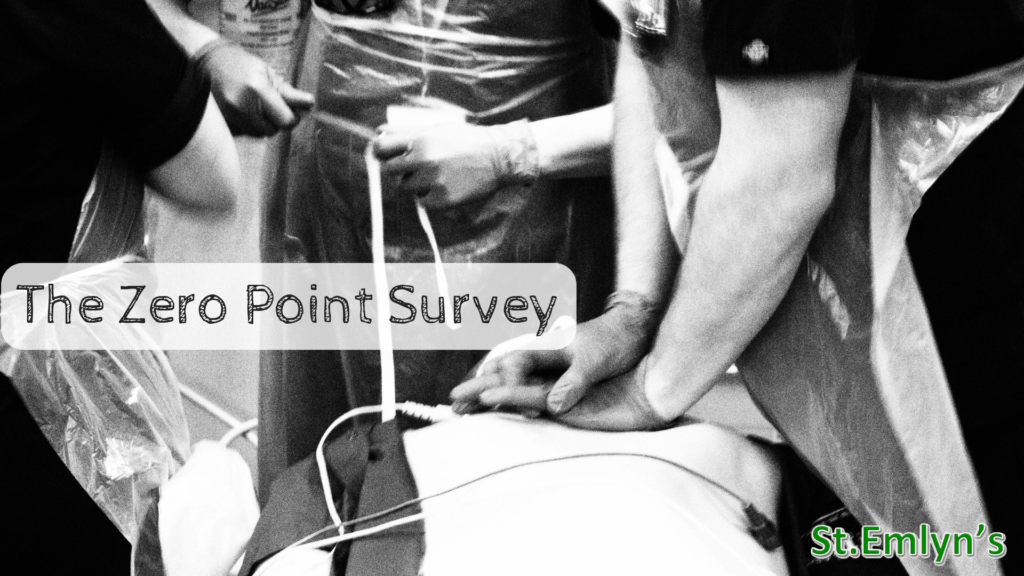
Resuscitation begins before the patient arrives. Simon Carley introduces the Zero Point Survey and its focus on the clinician, team and environment, explaining how shared preparation and mental models can be practised in simulation. He also reflects on role allocation and integrating the approach into everyday resuscitation training.
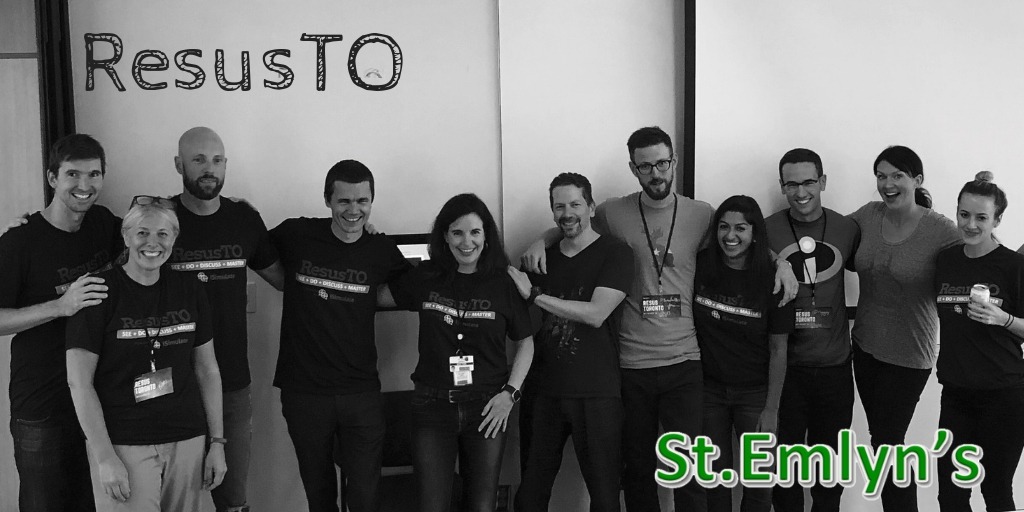
What happens when a resuscitation conference puts multidisciplinary learning and simulation at its centre? This report from the inaugural ResusTO in 2018 explores team behaviours, systems design, deliberate practice and hands-on workshops, with reflections on how small changes might strengthen resuscitation performance.