Day two of the Intensive Care Society’s 2018 meeting ranged from research and radiology to debates about liver failure and airway management. The report also explores nutrition, the timing of renal replacement therapy and how simulation and new technology might support learning.
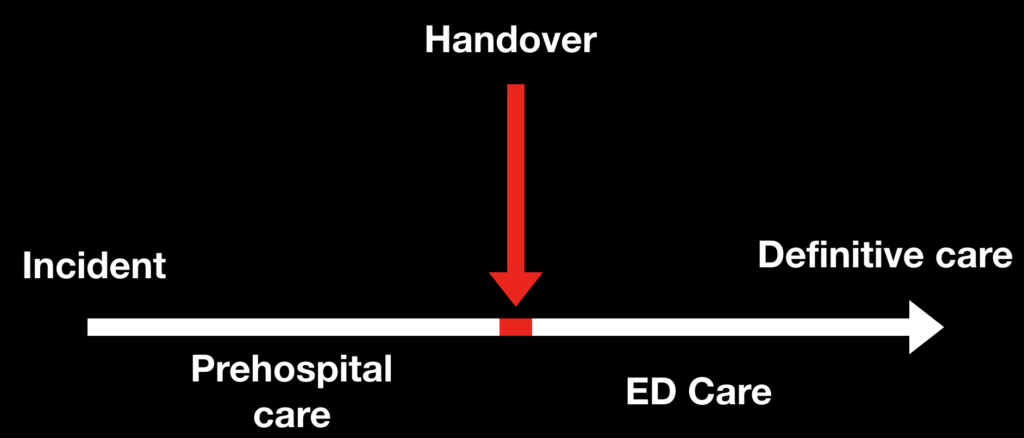
What makes a clinical handover work when a critically ill patient arrives? Drawing on a 2018 Intensive Care Society presentation, this post explores preparation, team attention, structured communication and follow-up. It offers adaptable principles for sharing essential information while recognising that urgent treatment sometimes takes priority.
The opening day of the Intensive Care Society’s 2018 meeting covered sepsis, moral injury and the response to the Salisbury Novichok incident. This report also follows discussions of delirium, extubation and frailty, including how patients’ goals can shape decisions about critical care.
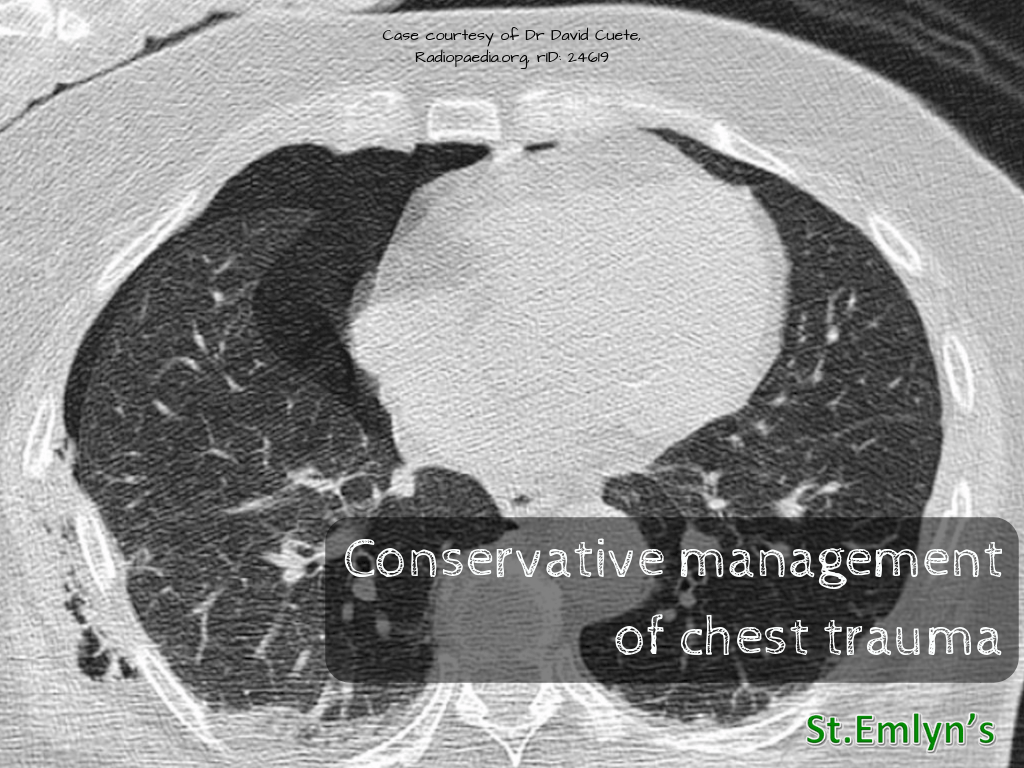
Can some traumatic pneumothoraces and haemothoraces be managed without a chest drain? This 2018 appraisal examines a UK observational study, including patients receiving positive-pressure ventilation. It considers selection bias, the limits of a single-centre dataset and the importance of monitoring when conservative management is chosen.
Salim Rezaie’s St Emlyn’s Live 2018 presentation explores cognitive offloading during cardiac arrest care. The accompanying notes discuss CPR, vascular access, airway management, medication and PEA assessment, explicitly bringing together published evidence and ideas for consideration. This is a historical presentation rather than an updated resuscitation guideline.
The October 2018 podcast roundup revisits a month of learning and reflection at St Emlyn’s. Its written reading guide links discussions of cricoid pressure, resuscitation, teaching in pressured settings and the pursuit of excellence, alongside FemInEM conference reflections and a personal account of PTSD and therapy.