What did HALT-IT establish about tranexamic acid for gastrointestinal bleeding? This 2020 appraisal examines the lack of a mortality benefit and the increased venous thromboembolism and seizure signals, alongside questions about recruitment, treatment timing and the trial's primary outcome.
Ten COVID-19 papers selected for emergency clinicians in June 2020. The team reviews paediatric inflammatory illness, testing, vaccine planning, staff wellbeing and the pandemic's wider health effects, explaining where early studies and commentary leave important uncertainties.
The reading list for the 18 June 2020 COVID-19 journal club with Katrin Hruska. Topics include lung ultrasound, paediatric inflammatory illness, bystander CPR and health inequalities, alongside the first RECOVERY announcement and the implications of recent research retractions.
Iain and Simon review May 2020 on St Emlyn's, including COVID-19 research discussions and venous thromboembolism resources. The written episode notes also connect global health, race and inequality with reflections on privilege and the perspectives emergency clinicians bring to their work.
An early June 2020 response to RECOVERY's announcement that hydroxychloroquine had not shown benefit in hospitalised patients with COVID-19. Simon Carley explains the platform trial design and why the limited information released at that stage still required a full critical appraisal.
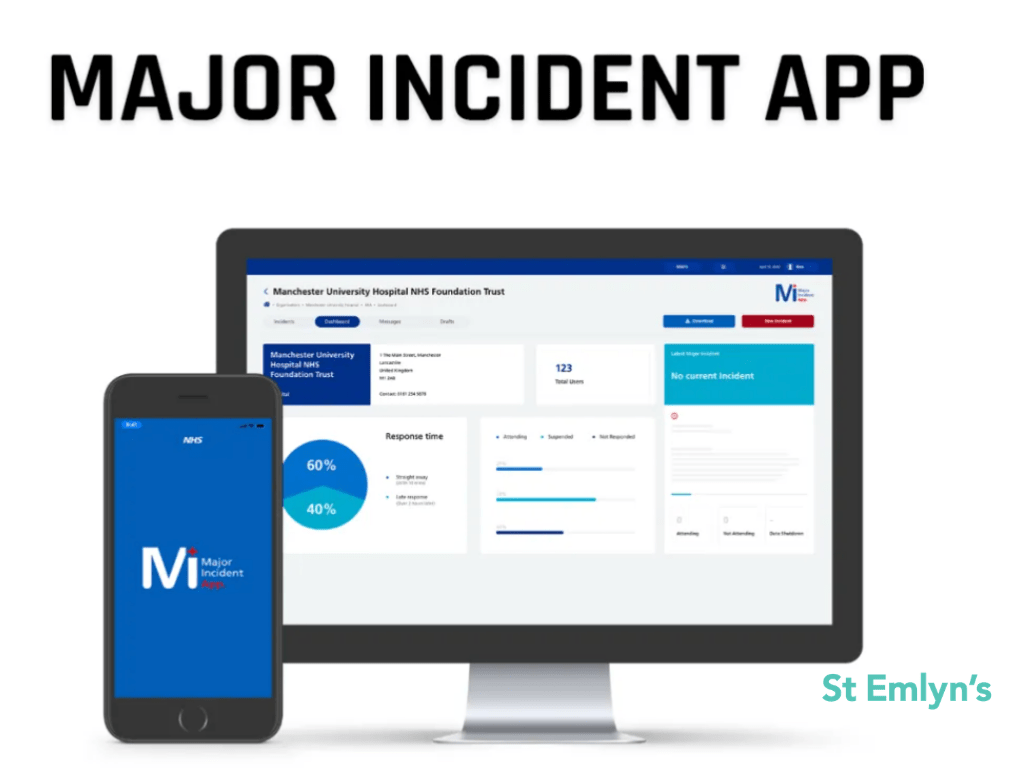
After the Manchester Arena attack, Peter Hulme saw the limits of phone cascades and messaging groups for recalling emergency staff. This 2020 account follows the development of the Major Incident App, from alerting and coordinating responders to funding, industry collaboration and lessons learned.