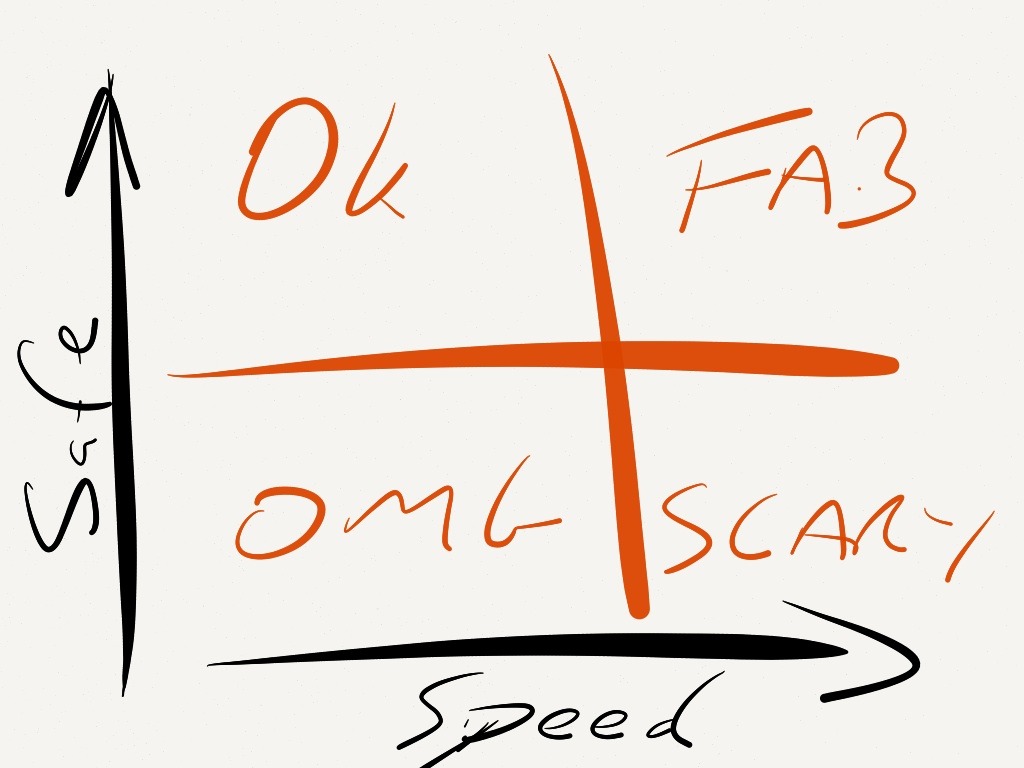
Does seeing fewer patients mean a doctor is performing poorly? Simon Carley examines the limits of productivity figures and league tables, arguing for supervision that explores case mix, quality and individual difficulties without putting pressure on trainees to sacrifice safety for speed.
Does this Dutch study show that helicopter emergency medical services fail to improve trauma outcomes? The 2013 journal club challenges that interpretation, examining patient matching, baseline physiological differences and the importance of understanding the trauma system behind the aircraft.
Learning through FOAM is only a start: how does it translate into changes in care? Writing ahead of NHS Change Day in March 2013, Damian Roland explores implementation barriers and the potential of shared commitments to support improvements in practice.
Can a tight ring be removed without destroying it? Simon Carley introduces a video demonstration of the undertaker's ring method and discusses its limits, including wounds, bony obstruction and pain, with ring cutters available when the approach is unsuitable or unsuccessful.
How can clinical feedback become a useful conversation rather than a telling-off? Natalie May explores preparation, shared goals and specific observations, showing how curiosity about a trainee's reasoning can lead to reflection, agreed actions and a stronger learning relationship.
Not all angioedema is driven by allergy. In this 2012 teaching case, Andy Volans explores recurrent swelling, bradykinin-mediated disease and airway risk, alongside the diagnostic clues and treatment options discussed at the time.