Making the right diagnosis does not guarantee that treatment will benefit an individual patient. Part five of Risky Business explores the links between testing, treatment and harm, and asks how diagnostic research can show whether patients actually do better.
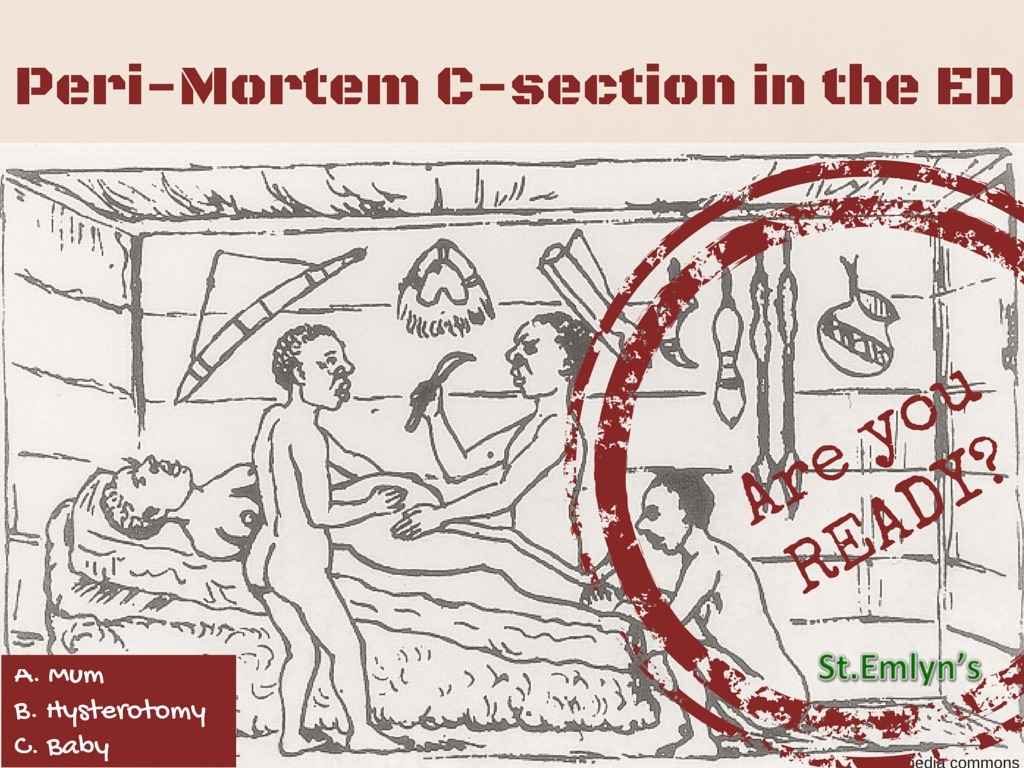
How do you prepare for an emergency procedure you hope never to perform? In this 2013 reflection on perimortem caesarean delivery, Simon Carley explores advance planning, team roles, equipment and rehearsal for cardiac arrest in pregnancy.
What can Sunday league football teach us about leading a resuscitation team? Rick Body draws parallels between changing team line-ups, assigning roles, encouraging communication and adapting under pressure, with reflection and debriefing helping the team prepare for next time.
A hypothetical case of severe self-inflicted eye injury explores the emergency department's role in coordinating ophthalmic and psychiatric care. The discussion considers patient safety, the impact on relatives and staff, and the value of following up with the team afterwards.
Could propofol have a role in refractory migraine? This 2013 journal club critiques an eight-patient case series, examining unclear recruitment, pain measurement during sedation and why larger, better-designed studies would be needed before drawing conclusions for practice.
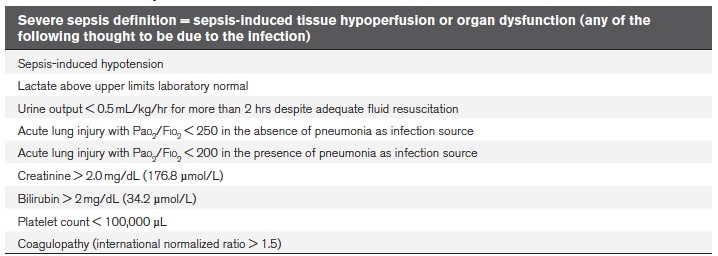
Simon Carley offers an early emergency department response to the Surviving Sepsis guidance discussed in 2013. He highlights its resuscitation targets, antibiotic priorities and three- and six-hour bundles, while questioning how closely the recommendations reflected evolving practice at the time.