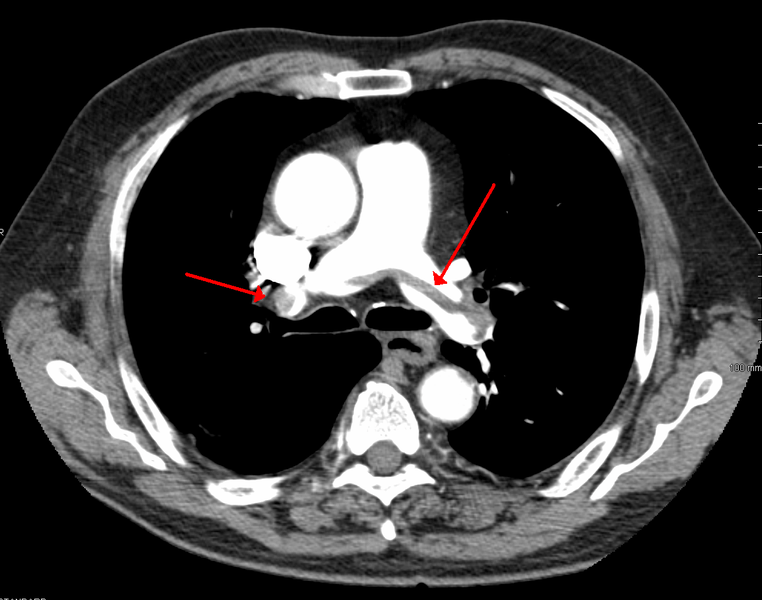
How do the many tools for investigating and treating pulmonary embolism fit into one coherent pathway? This 2014 discussion explores the challenge of combining diagnostic rules, risk assessment and outpatient care, as work began on British Thoracic Society guidance for ambulatory management.
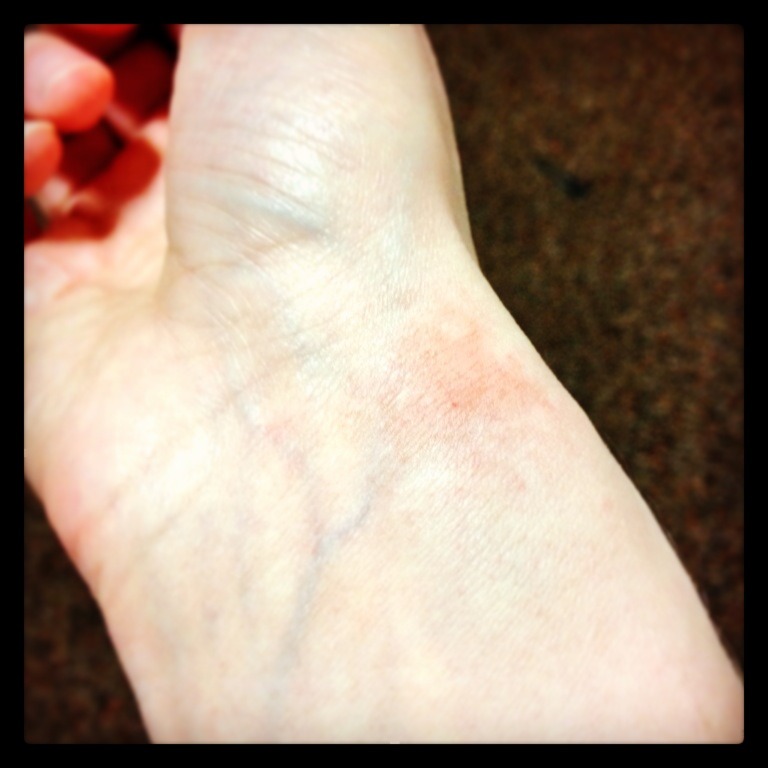
To explore the discomfort of arterial blood gas sampling, an emergency clinician volunteers to have the procedure filmed without local anaesthetic. This personal account accompanies a video made for NHS Change Day 2014, supporting a pledge to pay closer attention to procedural pain.
Could a shorter acetylcysteine infusion make treatment for paracetamol poisoning easier to tolerate? This 2014 journal club examines a randomised trial of an accelerated regimen, separating findings about nausea and infusion reactions from the larger question of effectiveness in preventing serious liver injury.
A reflection written ahead of NHS Change Day 2014 asks how individual pledges can improve patient care. It explores taking ownership of small changes, learning from colleagues across the health service and overcoming the belief that one person’s contribution is too small to matter.
An invitation from 2014 to bring clinical questions to the SMACC Gold evidence-based medicine workshop. The post introduces three-part questions and links to resources on searching, critical appraisal, statistics and using journal clubs to turn questions into shared evidence summaries.
Pain relief alone may not address what brings distress to patients in the emergency department. This 2014 research discussion explores suffering beyond pain and introduces EPICC: attending to emotional distress, physical symptoms, information, basic care and closure, informed by patients’ accounts of what they needed.