Does improving an acid–base measurement demonstrate that a resuscitation fluid is better for patients? This 2014 journal club examines a small trial comparing Plasma-Lyte with saline in major trauma, exploring surrogate outcomes, fluid volumes and why the findings could not establish a benefit in patient-centred outcomes.
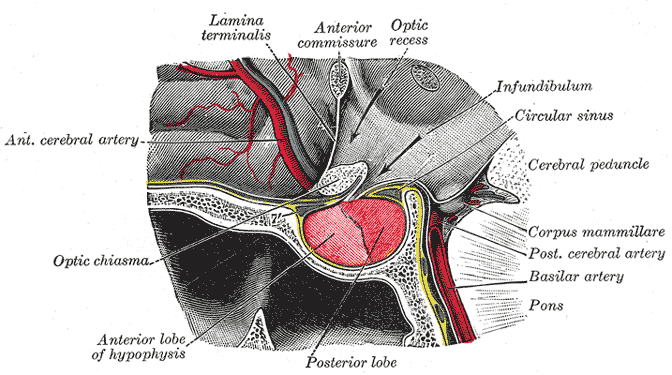
How common is pituitary dysfunction after serious head injury, and what should clinicians do about it? This 2014 journal club reviews a meta-analysis of patients requiring critical care, distinguishing evidence of endocrine abnormalities from unanswered questions about screening, treatment and outcomes.
Rick Body introduces the original Manchester Acute Coronary Syndromes decision rule in this 2014 research report. He explains its derivation and external validation, how clinical features and biomarkers contribute to risk assessment, and the questions that still needed answering before routine use.
A report from Retrieval 2014 in Glasgow, with a recorded talk on the first hour of paediatric sepsis aimed at generalists who care for children. Simon Carley also shares conference highlights on retrieval leadership, resilience, simulation and prehospital care.
Can ‘first, do no harm’ describe clinical practice when every useful intervention carries some risk? The third instalment of this ethics series explores benefit, harm and utilitarian reasoning, asking how clinicians can pursue a patient’s interests while respecting moral limits.
Why can acute dystonia be mistaken for anaphylaxis, anxiety or neurological disease? This 2014 clinical review explores varied presentations, medication-related causes and diagnostic anchoring, alongside treatment considerations and the importance of reconsidering the diagnosis when the picture does not fit.