An introduction to a series of personal experiments in emergency medicine education, inspired by philosophy and deliberate practice. The exercises aim to challenge clinicians’ thinking, empathy, communication and teaching through repetition and reflection, with a link to the collection developed by the St Emlyn’s team.
Could medical scribes improve emergency department workflow? In this 2014 journal club, Natalie May and Damian Roland examine a before-and-after study involving electronic ordering and scribes, questioning causality, the practical significance of time savings and the implications for documentation accuracy and UK practice.
A Monty Python-inspired sketch asks what Twitter has ever done for emergency medicine. In a fictional ED meeting, an increasingly exasperated clinical lead hears colleagues make the case for shared learning, international connections, access to researchers and greater engagement with their work.
A patient with ongoing chest pain has an ECG that does not fit a familiar STEMI pattern. This educational case from 2014 asks how the clinical history and shape of the ST segments should influence the next decision, before revealing the angiographic findings and outcome.
Inspired by a speech from Australian Army chief David Morrison, Iain Beardsell asks what it means to uphold shared values in the NHS. He reflects on everyday standards, humiliation of colleagues and the personal responsibility to challenge behaviour that undermines a supportive working culture.
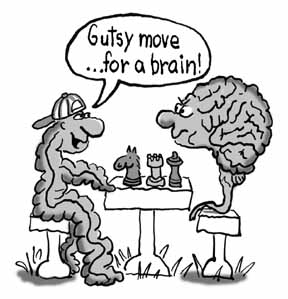
When a clinician describes a ‘gut feeling’, is it intuition or recognition of a clue they have not yet articulated? This reflection explores tacit knowledge and paediatric examples, asking whether examining the reasoning behind these decisions could reveal skills that can be taught to others.