Can inhaling an alcohol swab ease nausea in the emergency department? This 2018 appraisal examines a small trial comparing isopropyl alcohol and oral ondansetron combinations. It considers symptom relief, difficulties with blinding and sampling limitations, explaining why the findings do not establish a replacement for established antiemetic treatment.
This archived announcement introduces Manchester’s Teaching Co-Operative Course on 10–12 October 2018. It outlines a practical approach to clinical education, connecting learning theory with bedside teaching, presentations, simulation, feedback and wellbeing, and introduces the international faculty behind the three-day programme.
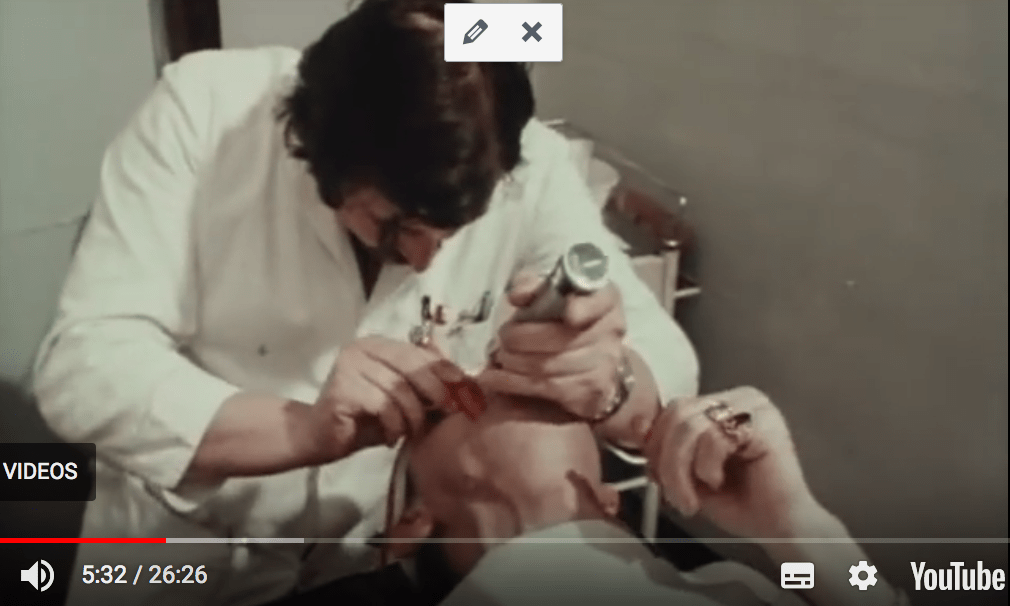
A film of a 1970s casualty department prompts reflection on how emergency medicine has changed. Simon Carley contrasts advances in staffing, skills and facilities with familiar pressures, while noticing calm teamwork, teaching and public health advice in a very different clinical environment.
Intranasal ketamine or fentanyl for children with painful fractures? This 2018 appraisal compares pain relief and reported side effects in a small randomised trial. It explains why similar pain scores do not prove equivalence, and why the selected patient group limits how widely the results can be applied.
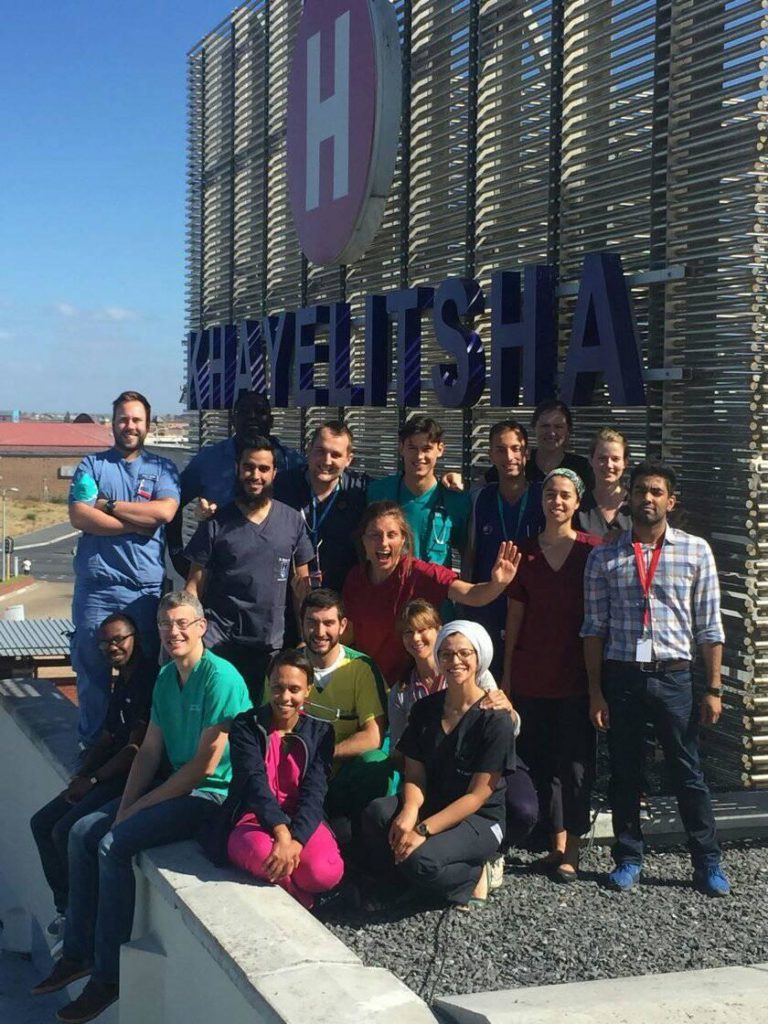
Stevan Bruijns reflects on working across South African and UK emergency care, challenging assumptions about who teaches and who learns. His account considers the risks of overseas placements, reciprocal learning and practical ways to support colleagues in lower-resource settings, including collaborations that do not require travel.
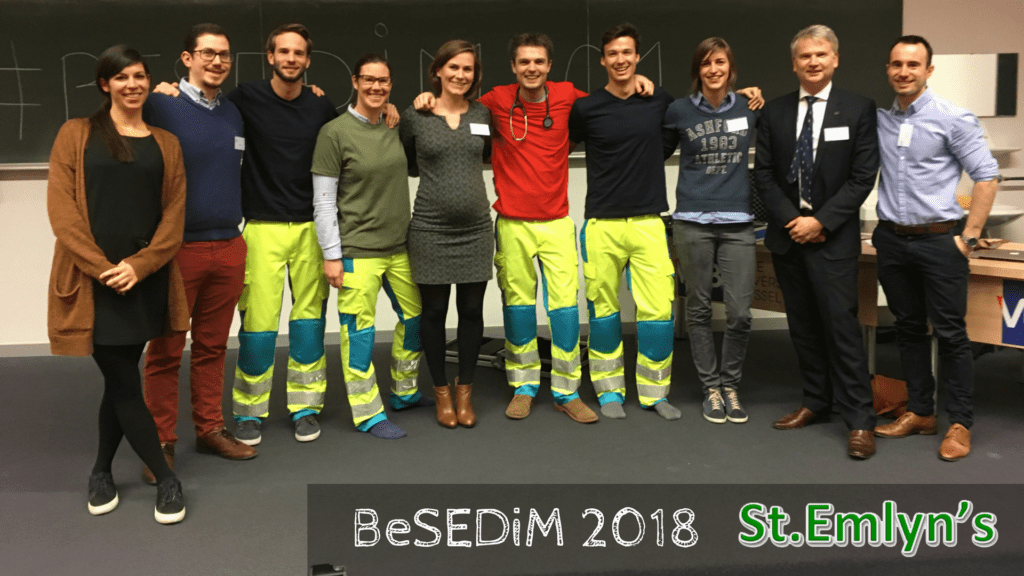
Belgium’s 2018 BeSEDiM symposium brought together decision-making, simulation, wellbeing and clinical debate. This report explores hierarchy and feedback in teams, practical toxicology cases and discussions of advanced resuscitation, while reflecting on the growth of emergency medicine and the value of a connected professional community.