Did hydrocortisone improve outcomes in septic shock in the ADRENAL trial? This 2018 appraisal examines the absence of a demonstrated 90-day mortality benefit alongside secondary findings on shock resolution and time in intensive care. It explores trial design, patient selection and the limits of subgroup interpretation.
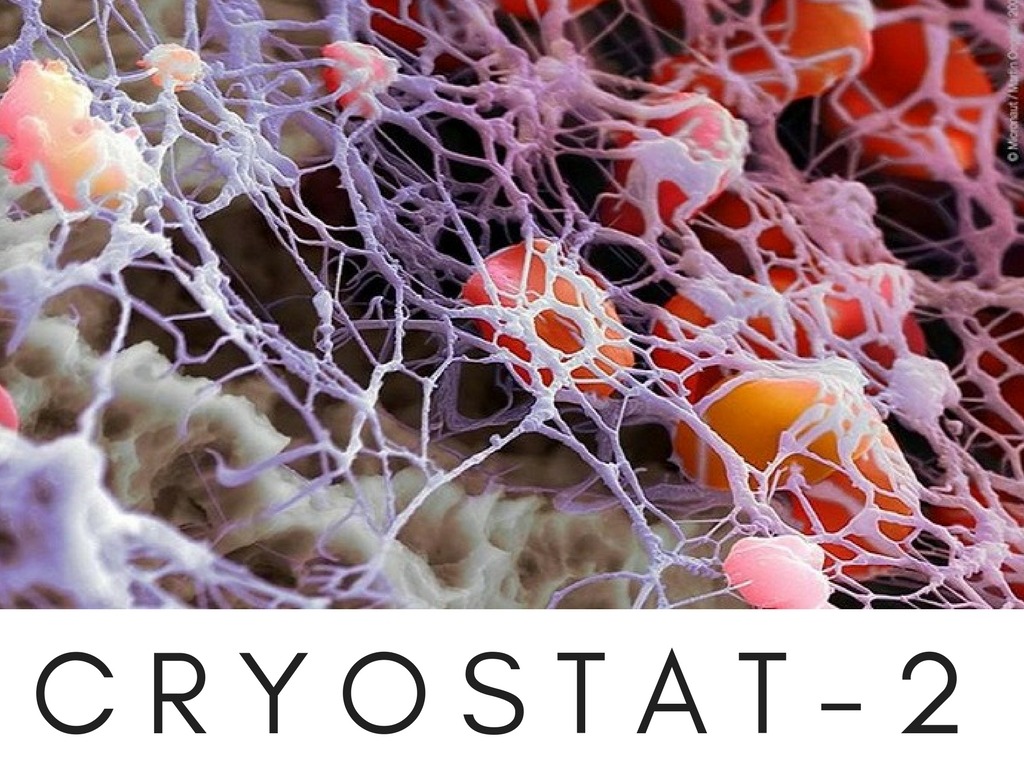
This 2018 introduction explains the question behind CRYOSTAT-2: could early cryoprecipitate improve survival after major traumatic bleeding? It outlines the rationale for fibrinogen replacement, the planned randomised trial, eligibility criteria and patient-centred outcomes. This is a preview of the study, before its results became available.
How can reflection become useful learning rather than a compulsory portfolio exercise? Natalie May explores planned and spontaneous reflection, patient follow-up, feedback and the biases that shape our accounts. Her article and accompanying podcast consider how educators can create safer, more meaningful opportunities to learn from practice.
Distinguishing peripheral dizziness from posterior circulation stroke can be difficult in the emergency department. This 2018 review discusses bedside assessment, including nystagmus, HINTS, neurological examination and gait. It emphasises the knowledge and practice needed to use these techniques, rather than offering a simple discharge rule.
The September 2018 podcast roundup revisits airway management after out-of-hospital cardiac arrest, the Zero Point Survey and pulmonary embolism. Its linked reading also covers neonatal emergencies, equality in emergency medicine and reports from EMS Gathering, ResusTO and EuSEM, bringing together the month’s clinical and professional discussions.
Chris Gray reports from the 2018 Northern Emergency Medicine conference in Durham. The programme connects end-of-life care, frailty and prehospital developments with workforce roles, burnout and major-incident preparation. Reflections on the Manchester attack underline the importance of understanding both the response plan and support for colleagues.