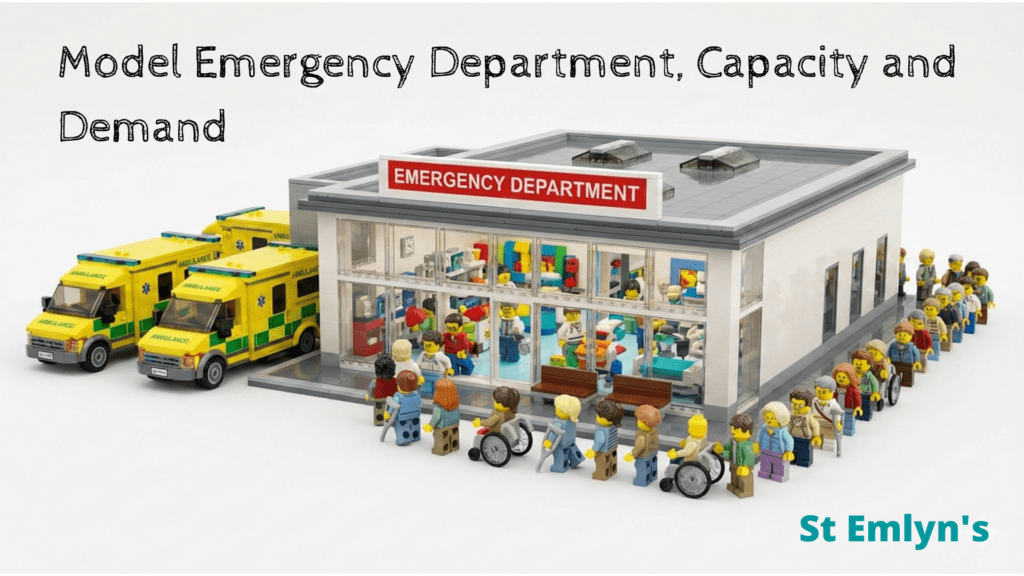
NHS England’s Model Emergency Department guidance asks trusts to include demand and capacity modelling in implementation plans. But that is harder than it sounds. Much of future emergency care demand comes from residual factors such as technology, supply-induced demand and access barriers, which traditional modelling often misses.
A review of the 2026 AHA/ACC multi-society guideline on acute pulmonary embolism, covering its A–E clinical categories, diagnostic approach, treatment and follow-up. The article considers the changes alongside UK practice and explains where the author sees their greatest relevance.
This November and December 2025 podcast round-up revisits medical training reform, trauma leadership and patients bringing AI advice into the consultation. It also discusses ondansetron in paediatric gastroenteritis and acetylcysteine protocols for paracetamol poisoning.
Harriet Tucker discusses damage control prehospital care at Trauma 2030: recognising patients who need surgical haemorrhage control, limiting delays on scene and moving selected interventions into the ambulance. The conversation also covers the governance and teamwork needed to support this approach.
Practical tips for coordinating a log roll in trauma care, from gentle spinal handling and preparing to examine the back to using clear commands for movement. The post also covers working with a scoop stretcher.
A recorded talk on making feedback useful in clinical settings, with examples of how to deliver it and approaches to avoid. Running just over 28 minutes, it draws on years of St Emlyn’s teaching and links to earlier work on feedback and conflict resolution.