External bleeding needs reassessment as trauma care progresses, even when treatment has started before hospital arrival. This TTL tip reviews pressure, tourniquets and haemostatic dressings, with practical points on technique and repeated assessment in the ED.
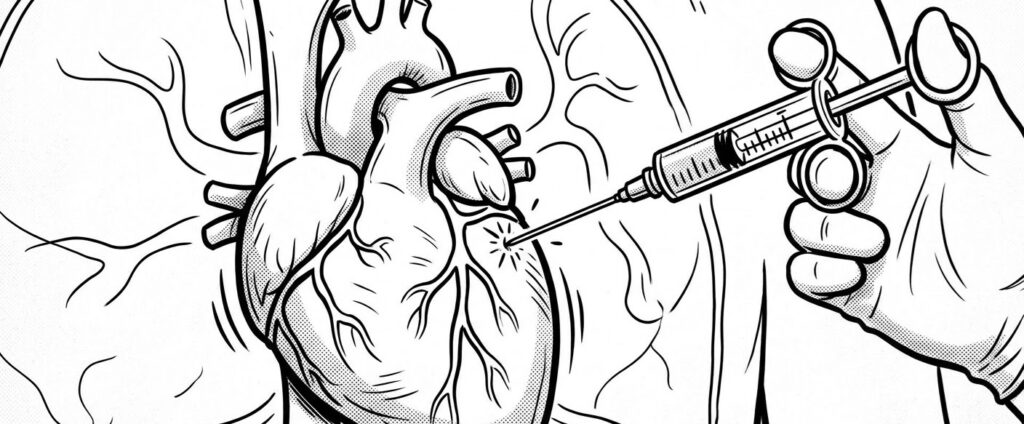
A case series from southern Gaza describes pericardiocentesis, drainage and intrapericardial tranexamic acid in 25 patients with penetrating cardiac tamponade. We examine the findings and their relevance to settings where emergency thoracotomy is unavailable, recognising the limits of this small study.
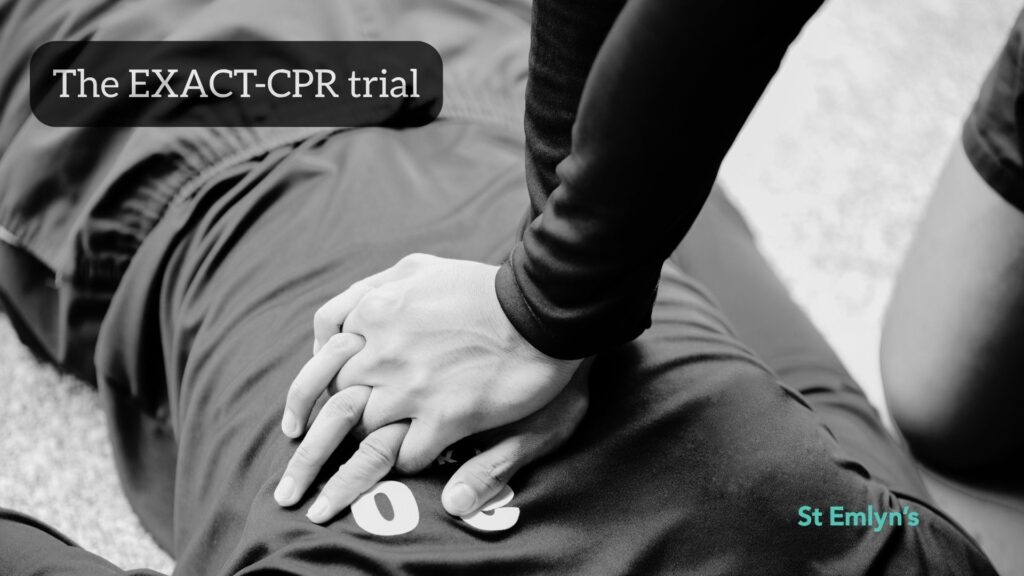
Does targeting the left ventricle during CPR improve outcomes in cardiac arrest? We review the EXECT-CPR trial and explore the shift from algorithm-based to physiologically guided resuscitation.
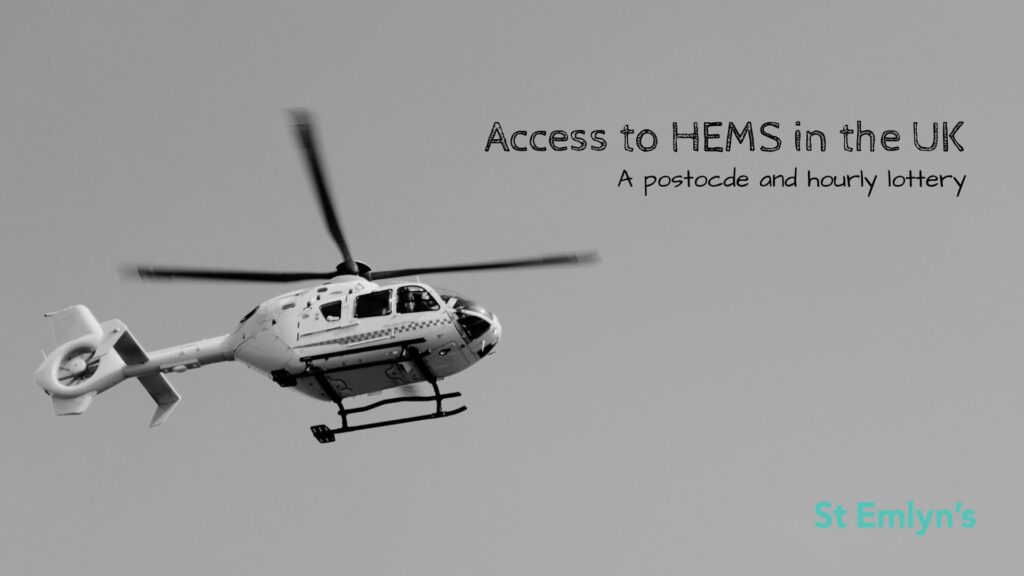
Physician-based HEMS provision in the UK has expanded significantly since 2009, but variation remains. This St Emlyn’s review examines access, funding models and whether a largely charity-led system can deliver national equity.
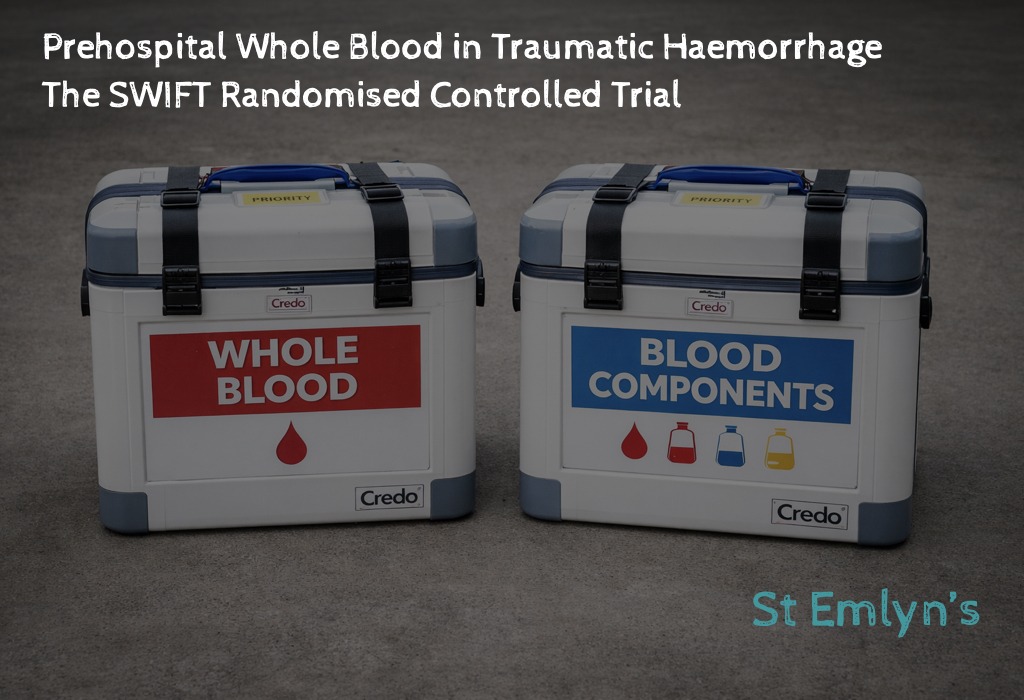
Does prehospital whole blood improve outcomes compared with blood components in traumatic haemorrhage? We critically appraise the SWiFT randomised trial, including its findings on death or massive transfusion within 24 hours and the limits of testing a prehospital-only intervention.
In this episode, we talk to Sheldon Cheskes about the evolving science of cardiac arrest, with a focus on refractory and recurrent ventricular fibrillation. We explore the evidence behind double sequential external defibrillation (DSED), how it compares to standard defibrillation, and what the DOSE VF trial has changed in practice. It’s about understanding why defibrillation fails, how vector and energy delivery matter, and when a different approach might improve outcomes.