St Emlyn’s reports from the opening day of the joint EuSEM and RCEM conference in Glasgow in 2018. Highlights include toxicology, infectious diseases, analgesia and sedation, pulmonary embolism and human factors, with reflections on diagnostic reasoning and the challenges behind everyday emergency care.
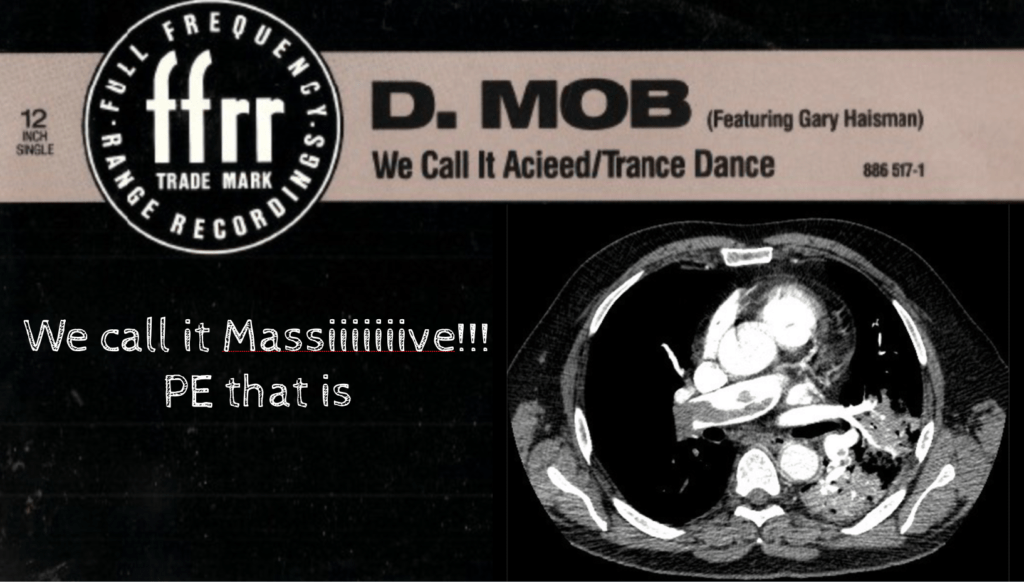
What does ‘massive’ pulmonary embolism really tell us about a patient’s risk? In this case-based 2018 review, Dan Horner examines physiology, clot burden, clinical trajectory and bleeding risk, arguing for a fuller assessment and shared decisions rather than reliance on a single blood-pressure threshold.
This preview of the September 2018 World Sepsis Conference considers what a free online meeting can offer. Simon Carley reflects on access, diversity, patient voices and the environmental costs of travel, asking how conferences might share learning more widely while retaining the value of meeting in person.
Which advanced airway strategy should come first in out-of-hospital cardiac arrest? This 2018 review compares AIRWAYS-2 and PART, examining supraglottic devices and tracheal intubation. It considers trial outcomes alongside operator experience, training and the practical realities of prehospital resuscitation.
Fluids are drugs, with potential benefits and harms. Simon Carley examines a 2018 narrative review of intravenous fluids in critically ill adults, covering fluid choice, shock phases and evolving physiology. He also asks how to read expert reviews critically and remain open to evidence that challenges established practice.
Gareth reflects on preparing a CESR application after taking a non-standard route through emergency medicine training. This 2018 account explores gathering evidence, documenting competence and navigating portfolio requirements, with Natalie May adding her experience of specialist recognition in Australia.