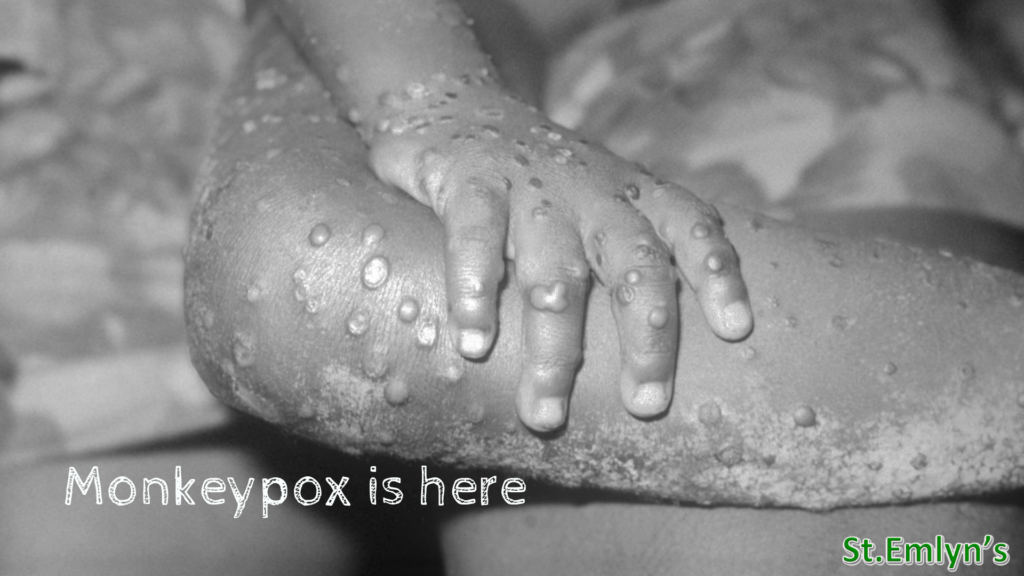
Written after two imported UK cases in September 2018, this article introduces the infection then described as monkeypox. It reviews transmission, clinical features and the importance of travel history, specialist assessment and infection precautions, reflecting the information and public health context available at that time.
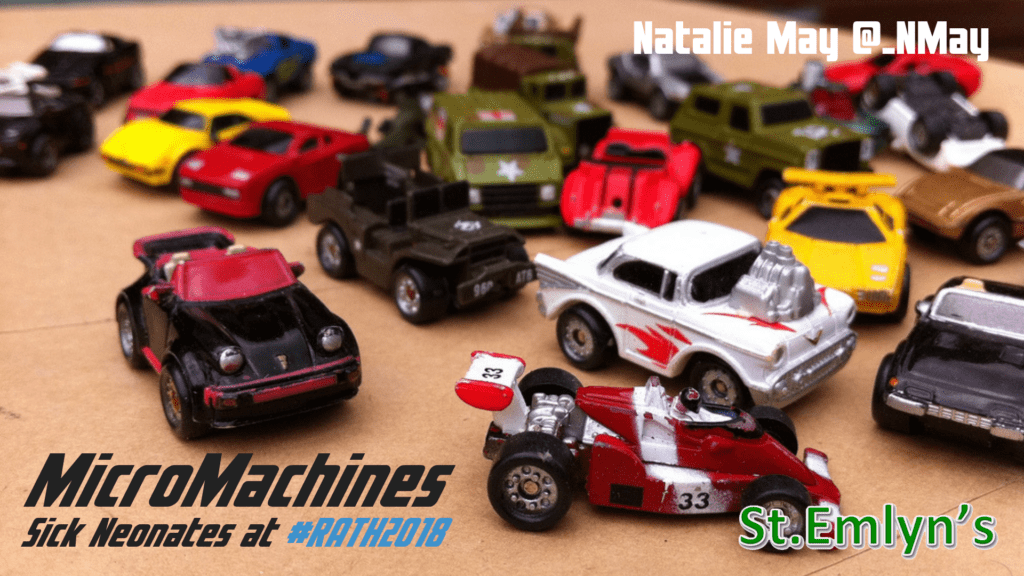
Neonates are more than miniature adults. Using a Micro Machines analogy, Natalie May’s 2018 teaching session revisits neonatal resuscitation and common emergency presentations, from feeding and cardiac problems to sepsis and seizures. It highlights the physiological differences that make assessment and early specialist support so important.
The final-day report from EuSEM 2018 in Glasgow focuses on neurological emergencies, including subarachnoid haemorrhage, vertigo, meningitis and cerebral venous thrombosis. It also shares advice from journal editors and reflections on leadership, with links to further reading from the conference sessions.
Day three of EuSEM 2018 brought discussions of troponin testing, venous thromboembolism, domestic abuse and global health. This conference report also follows trainee research, developments in emergency medicine education and the effects of incivility on teams, drawing together clinical and professional learning from Glasgow.
Why do clinical stories help learning stick? Simon Carley explores narrative learning in emergency medicine, from patient perspectives and the hidden curriculum to digital teaching. He considers confidentiality, the risks of reinforcing professional stereotypes and practical ways to build purposeful stories around evidence and learning goals.
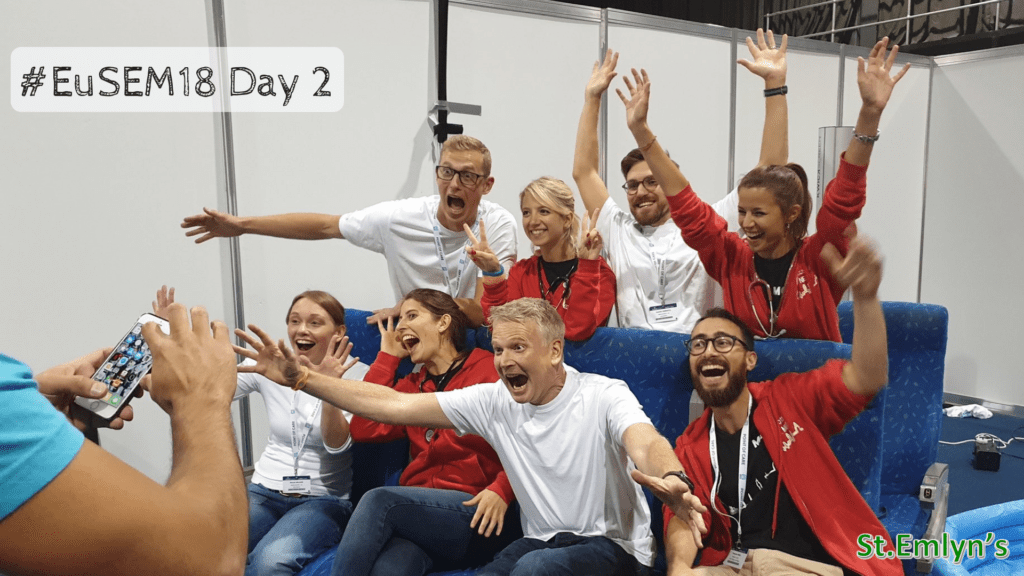
The second-day EuSEM 2018 report brings together pulmonary care, early EcLiPSE trial findings, care of older patients and interactive paediatric cases. It also reflects on performing under pressure and celebrates the RCEM team’s joint win in the Euro Sim Cup.