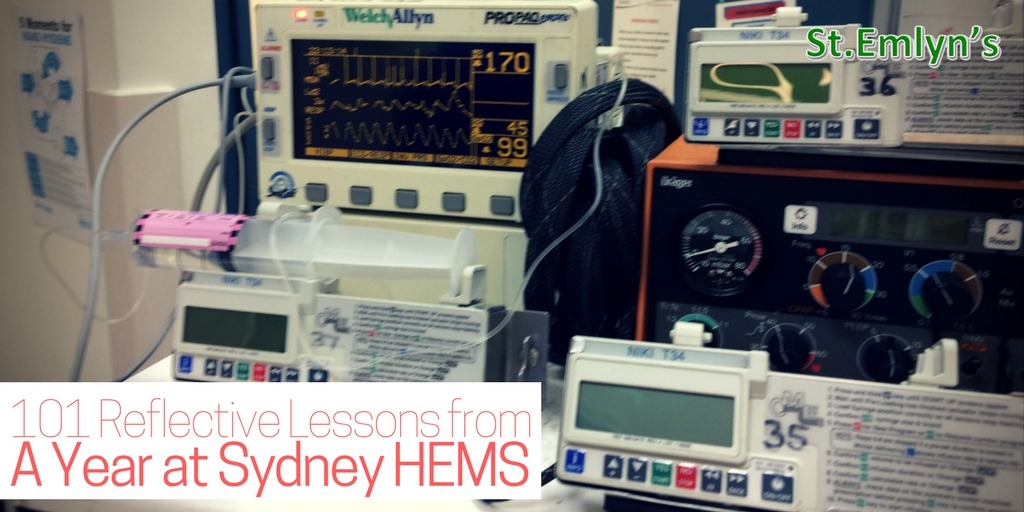
Preparing a critically ill patient for transfer brings challenges that can be less obvious at the bedside. In this third Sydney HEMS reflection, Natalie May explores sedation, ventilation, physiological preparation and contingency planning through lessons from interhospital retrievals.
Does diazepam add anything to naproxen for acute low back pain? This 2017 trial appraisal examines the lack of additional benefit in a selected group without radicular symptoms, alongside questions about blinding, follow-up and how well the results fit everyday ED patients.
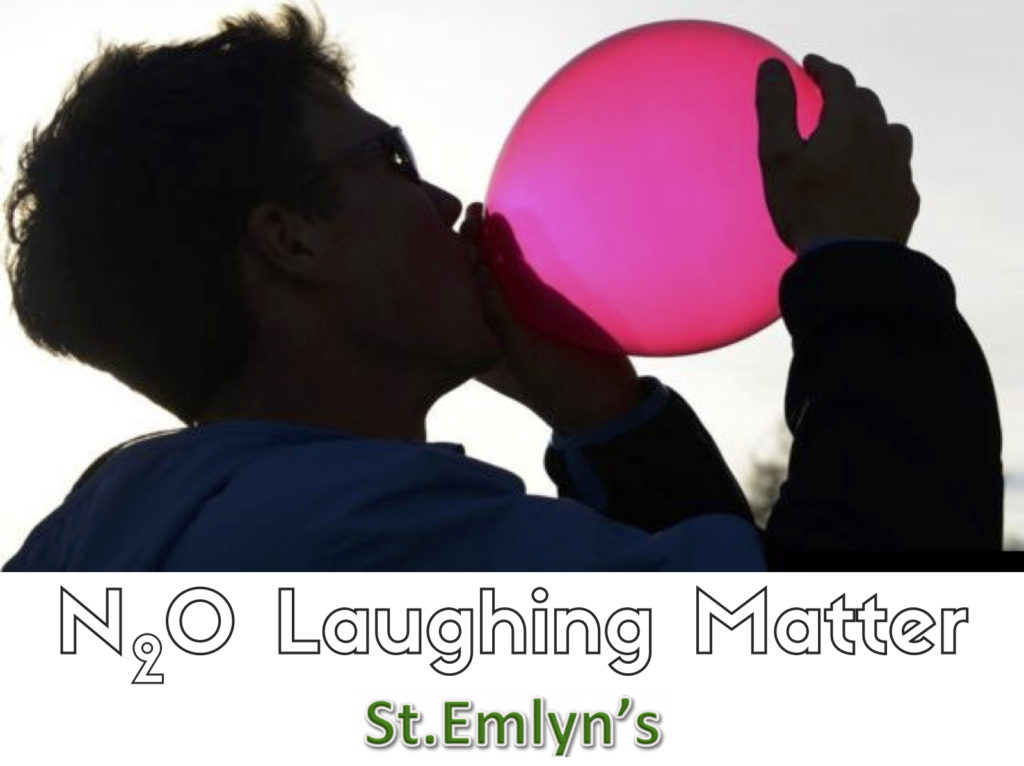
Recreational nitrous oxide use can be easy to overlook when taking a drug history. This 2016 overview examines acute hypoxia and the neurological and haematological consequences associated with disrupted vitamin B12 function, drawing attention to presentations that may initially seem unrelated.
Does adding ketamine to propofol make emergency procedural sedation safer? This 2016 appraisal of the POKER trial examines respiratory complications, recovery and patient experience, finding no convincing overall advantage while discussing blinding, event rates and the limits of the evidence.
Starting work in an emergency department can be daunting. This collection brings together St Emlyn’s introductory blogs and podcasts on core emergency medicine, designed to support new starters alongside local induction, workplace teaching and the learning that comes with those first shifts.
A historical review of the 2016 RCEM guidance on acute behavioural disturbance in the emergency department. The post discusses de-escalation, the risks of restraint, sedation, assessment for underlying illness and early senior involvement when severe agitation accompanies physiological instability.