Distraction during a child’s procedure starts well before the procedure itself. Rick Body explores the child’s and parents’ perspectives, clinicians’ emotions, first impressions and preparation, showing how rapport and a personalised distraction plan fit into care in the paediatric emergency department.
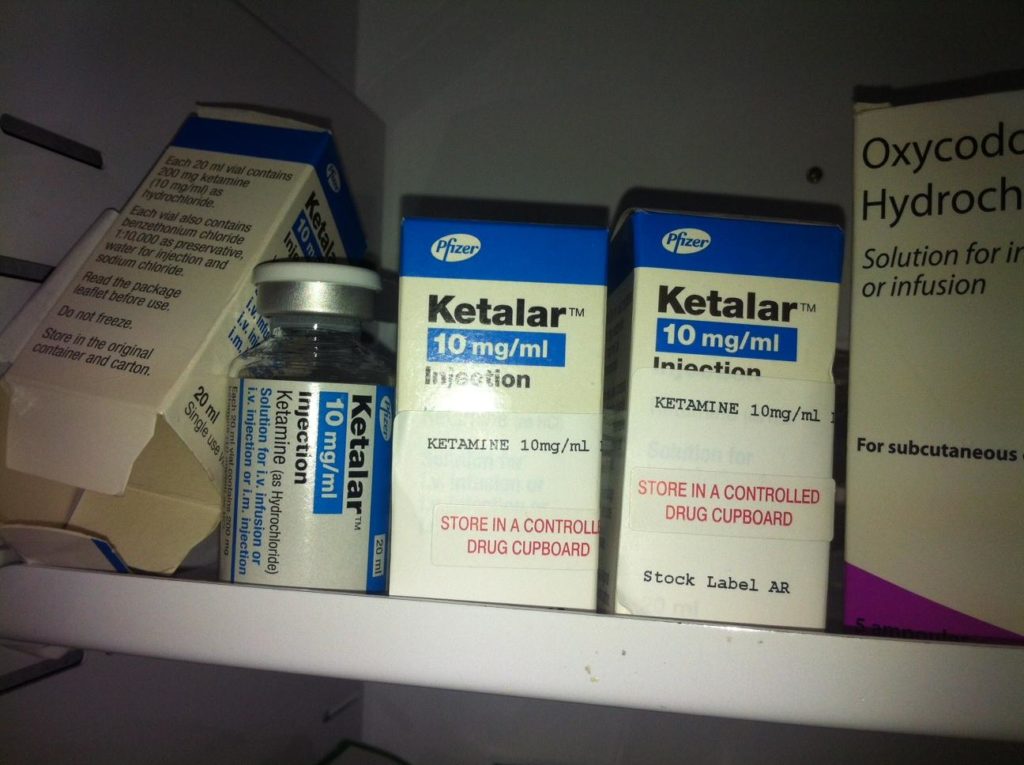
Could intranasal ketamine make procedural sedation less distressing for children? In this 2012 guest post, Alison Robinson appraises a small pilot study, questioning its sedation targets, lack of a control group and repeated blood sampling while acknowledging that the evidence remained inconclusive.
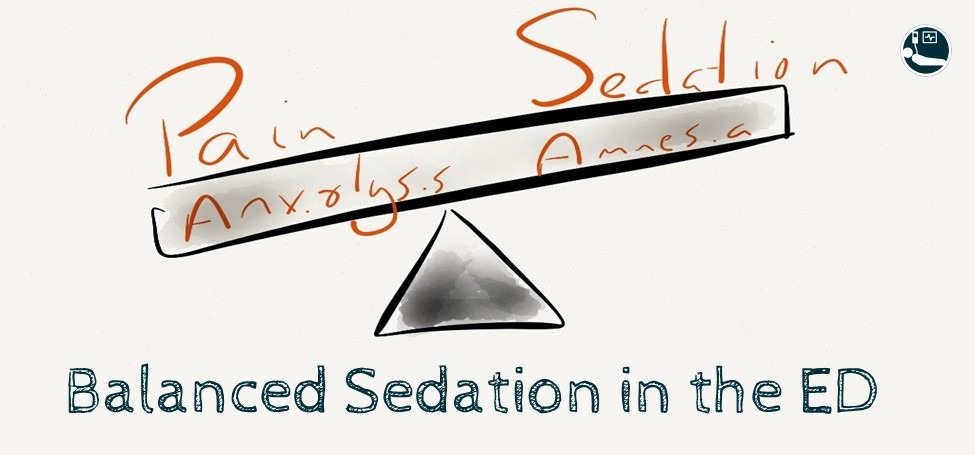
Procedural sedation involves more than choosing a favourite drug. Using contrasting ankle-injury scenarios, this 2012 discussion explores how analgesia, sedation, anxiety relief and amnesia contribute to a plan tailored to the patient's needs and existing medical problems.
Could etomidate offer an alternative for short paediatric procedures? This 2012 appraisal examines a small prospective cohort, questioning patient selection, the absence of a comparison group and the variability in sedation depth and recovery time behind apparently high procedural success.
What is the difference between levobupivacaine and bupivacaine, and does it matter for a child's nerve block? This 2012 discussion explains stereoisomers, examines the evidence behind claims of reduced cardiac toxicity and questions how well adult and animal findings apply to small paediatric doses.