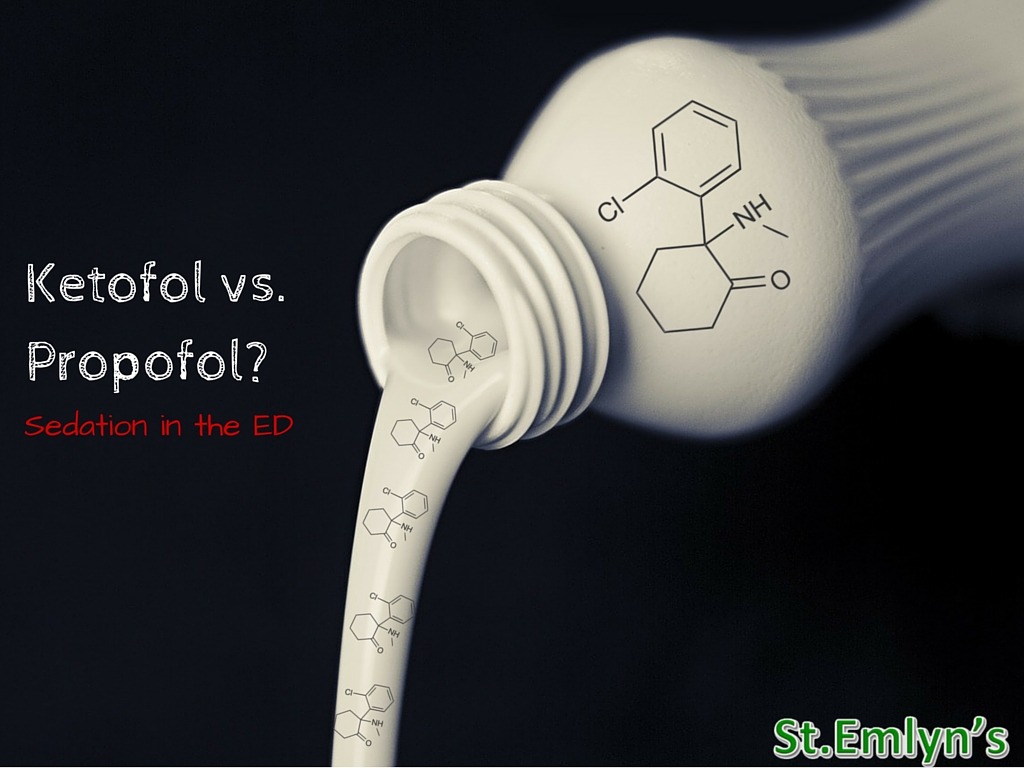
Does combining ketamine and propofol improve procedural sedation compared with propofol alone? This 2016 appraisal examines a systematic review’s complication findings, questioning how differences in patients, procedures and drug regimens—and limited information on sedation success—affect its relevance to emergency departments.
This 2016 teaching update explores fascia iliaca blocks for hip-fracture pain, combining anatomy, landmark and ultrasound approaches with discussion of local-anaesthetic safety and the supporting evidence. Videos and an infographic accompany the authors’ reflections on introducing regional analgesia into emergency department practice.
Natalie May’s 2015 EuSEM teaching notes explore why treating children’s pain involves more than choosing a drug. The discussion brings together analgesia, preparation for procedures, communication, parental support and distraction, with particular attention to the fear and distress surrounding an emergency department visit.
Does apnoeic oxygenation reduce desaturation during intubation of critically ill adults? This 2015 appraisal of the FELLOW trial examines its ICU population, oxygen-saturation outcomes and methodological limitations, asking how far the findings can be applied to emergency department airway practice.
The 2015 REVERT trial compared a modified Valsalva manoeuvre with the standard technique in adults with stable supraventricular tachycardia. This appraisal examines conversion to sinus rhythm, the need for further treatment and practical questions about applying the findings in the emergency department.
Could patient-controlled analgesia improve ongoing pain relief after arrival in the emergency department? This 2015 journal club examines the two PASTIES trials, comparing abdominal pain and traumatic injury, and discusses their differing results, pragmatic design and the limitations of unblinded pain assessment.