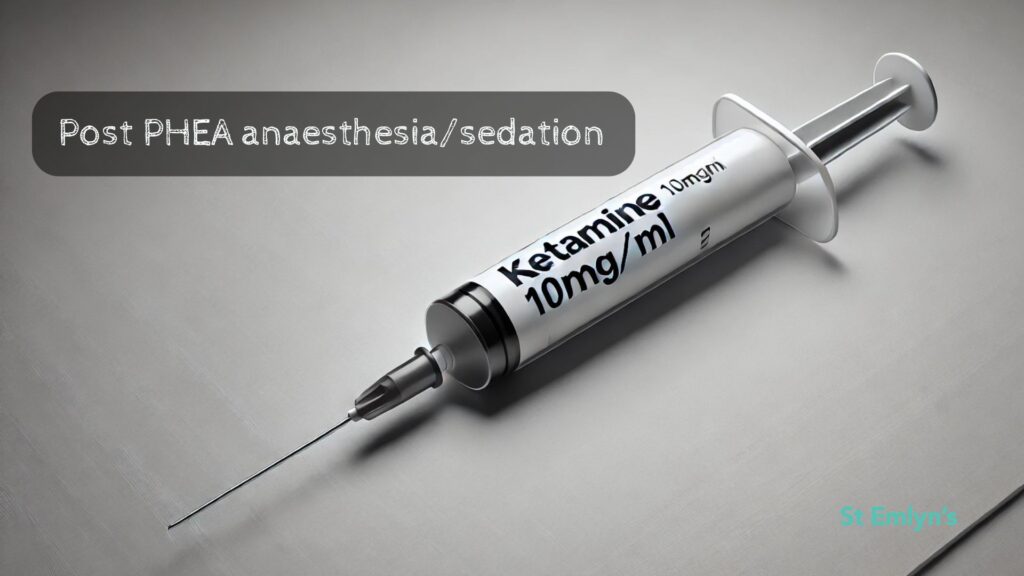
How is anaesthesia maintained after prehospital intubation for trauma? A survey of services in Australia, New Zealand and the UK explores differences in sedation, analgesia and governance. This appraisal considers what self-reported practice can tell us, and why patient outcome data are still needed.
Day 2 of the London Trauma Conference delivered impactful discussions on trauma care innovations, including advanced resuscitation strategies, rib fracture management, and prehospital interventions.
How much should a test result change our estimate of disease probability? Rick and Greg explain likelihood ratios, using clinical examples to connect pre-test and post-test probability and explore how this approach can inform diagnostic decisions.
Does prehospital emergency anaesthesia shorten the path to intubation for trauma patients? This appraisal compares prehospital and emergency-department RSI in a retrospective study, examining treatment timelines, patient differences and why earlier intervention does not by itself establish better outcomes.
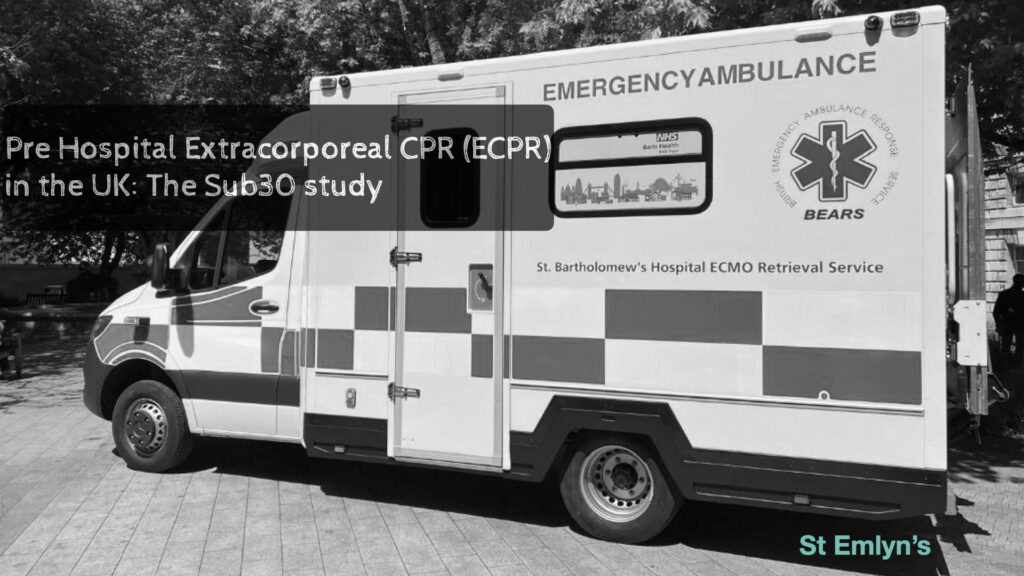
The Sub30 study tested whether a London prehospital team could establish extracorporeal CPR within 30 minutes of cardiac arrest. This appraisal examines the logistical lessons, the small patient group and the distinction between demonstrating feasibility and showing a survival benefit.
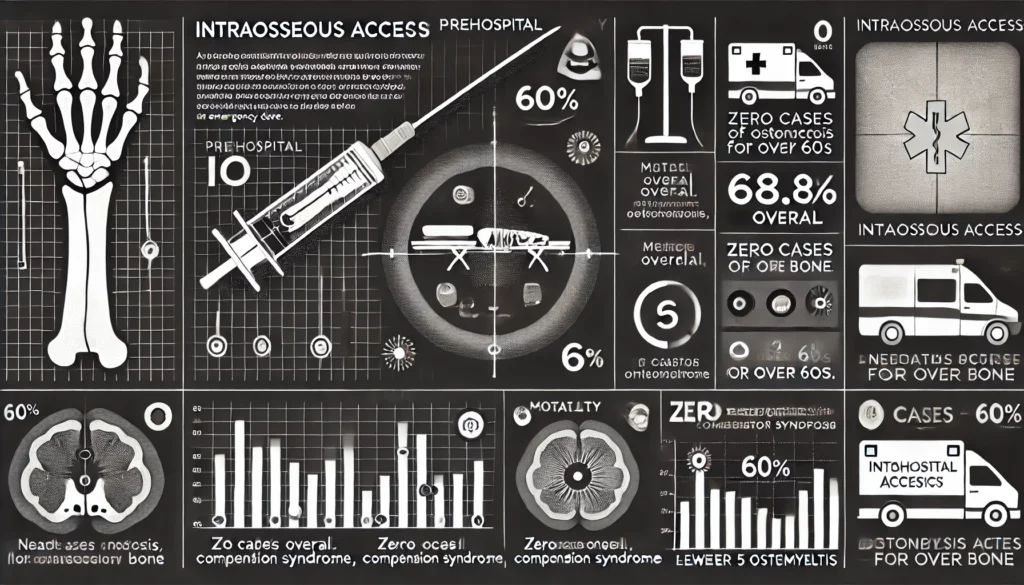
What are the longer-term risks after prehospital intraosseous access? This appraisal examines a Danish registry study of complications, including how follow-up, early deaths and the limitations of routinely collected data affect interpretation of the reported low complication rate.