This second collection of research from The Big Sick 2025 brings together brief appraisals of trials covering transfusion in brain injury, preoxygenation, sepsis care and out-of-hospital cardiac arrest. The post considers what the findings might mean for practice and where uncertainty remains.
We are back at the TBS (The Big Sick) Conference in Zermatt, exploring key research papers that challenge critical care practices. Highlights include arterial blood pressure monitoring, intra-arrest DBP in cardiac arrest, SAPBs for rib fractures, the DanGer shock trial, and double sequential defibrillation timing.
Emergency medicine demands constant practice, yet many clinicians experience skills fade due to lack of exposure. Nathalie Pattyn explores how this decline occurs, why it’s a systemic issue rather than an individual failure, and what changes are needed to maintain competency.
In this podcast, explore how Dr. Matt Hooper’s concept of "compassionate resuscitation" integrates palliative care principles into emergency medicine, focusing on quality end-of-life care for patients, families, and providers.
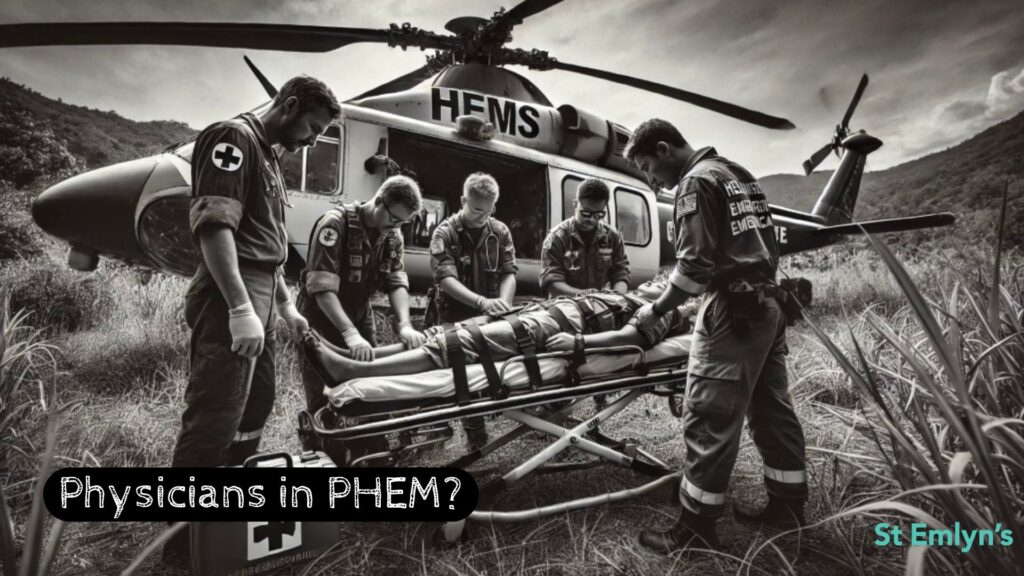
Do physician-led prehospital teams improve outcomes for critically ill or injured patients? This appraisal examines a systematic review and meta-analysis, the differences between the patients and services included, and why largely observational evidence makes the size of any benefit uncertain.
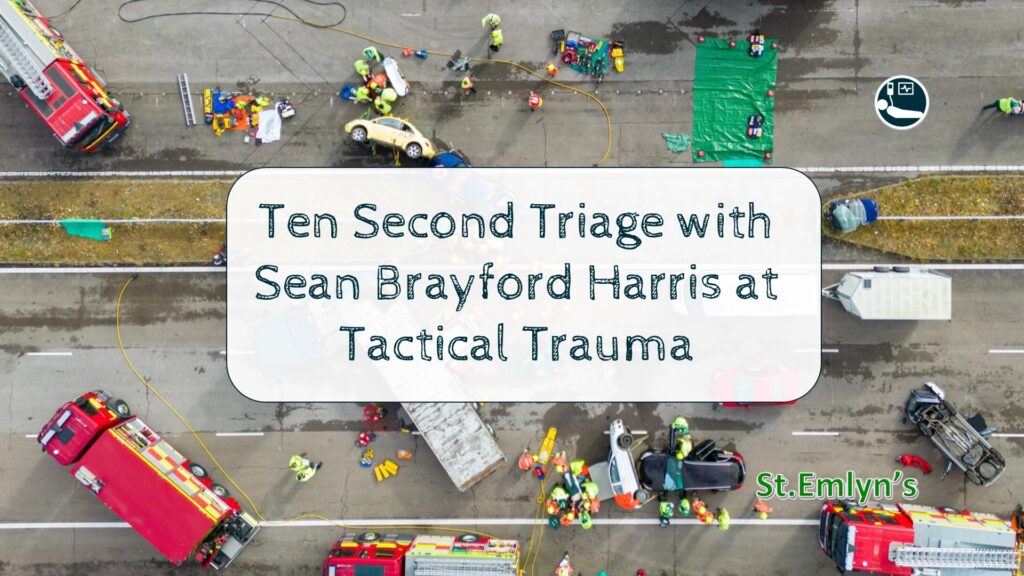
Sean Brayford-Harris explains the development of the Ten Second Triage tool in this interview from Tactical Trauma 24. The discussion explores its use by police, fire and ambulance responders, and its emphasis on simple assessment and immediate lifesaving actions during mass casualty incidents.