What did the 2013 review of the Liverpool Care Pathway mean for emergency care? This reflection argues for individualised end-of-life care, conversations with patients and families, and honest discussion of uncertainty, rather than losing sight of comfort and dignity as the paperwork changes.
Simon Carley’s Anarchy in the UK presentation from SMACC 2013 traces St Emlyn’s development from early asynchronous learning to FOAM. The post brings together recordings and slides, with an invitation to debate social media’s role in medical education.
A fictional emergency department case introduces Nicola Jakeman’s teaching on human factors. Work through questions about missed warning signs, fatigue, diagnostic fixation, confirmation bias and cognitive overload, then consider strategies for recognising when an initial diagnosis needs to be challenged.
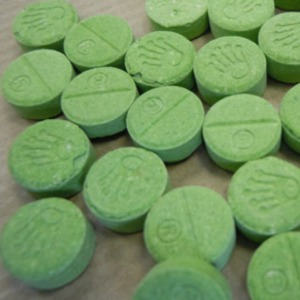
A 2013 response to reports of paramethoxyamphetamine, or PMA, in tablets sold as ecstasy. The post discusses changing patterns of recreational drug use, severe toxicity and hyperthermia, drawing on poisons information and the limited clinical evidence available at the time.
A six-step introduction to using FOAM for professional learning, written after the 2013 London emergency medicine trainees’ conference. It covers building an online profile, finding people and blogs to follow, organising information feeds and regularly reviewing your digital presence.
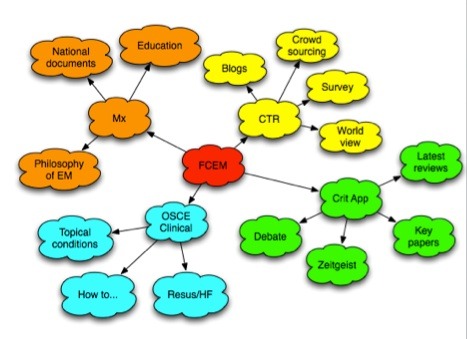
Simon Carley shares the recording and slides from his talk on FOAM at the 2013 London emergency medicine trainees’ conference. The accompanying notes acknowledge the educators behind its ideas and link to further discussions of social media and medical education.