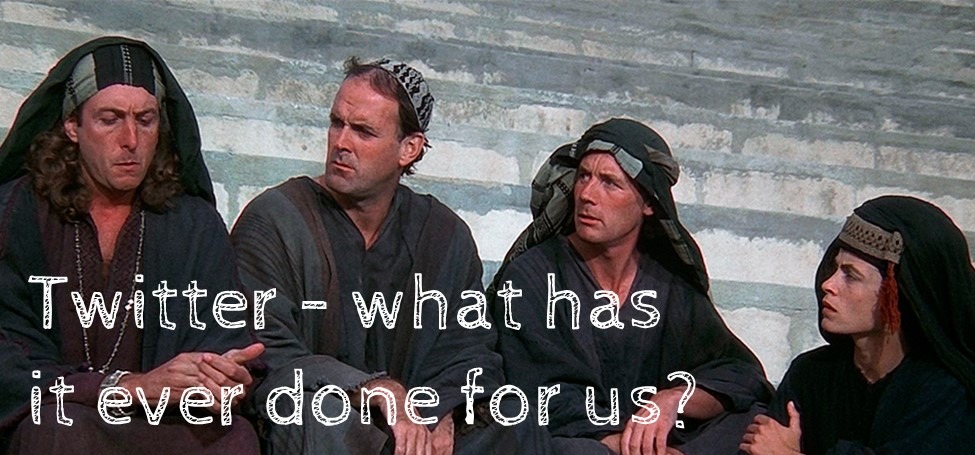
A Monty Python-inspired sketch asks what Twitter has ever done for emergency medicine. In a fictional ED meeting, an increasingly exasperated clinical lead hears colleagues make the case for shared learning, international connections, access to researchers and greater engagement with their work.
A patient with ongoing chest pain has an ECG that does not fit a familiar STEMI pattern. This educational case from 2014 asks how the clinical history and shape of the ST segments should influence the next decision, before revealing the angiographic findings and outcome.
Inspired by a speech from Australian Army chief David Morrison, Iain Beardsell asks what it means to uphold shared values in the NHS. He reflects on everyday standards, humiliation of colleagues and the personal responsibility to challenge behaviour that undermines a supportive working culture.
When a clinician describes a ‘gut feeling’, is it intuition or recognition of a clue they have not yet articulated? This reflection explores tacit knowledge and paediatric examples, asking whether examining the reasoning behind these decisions could reveal skills that can be taught to others.
Does improving an acid–base measurement demonstrate that a resuscitation fluid is better for patients? This 2014 journal club examines a small trial comparing Plasma-Lyte with saline in major trauma, exploring surrogate outcomes, fluid volumes and why the findings could not establish a benefit in patient-centred outcomes.
The opening instalment of a medical leadership series draws on Stephen Covey’s advice to be proactive. It explores focusing effort on what we can influence, responding to difficult situations according to our values and taking responsibility for how we work with patients and colleagues.