Can a single very low high-sensitivity troponin T result, combined with a non-ischaemic ECG, rule out myocardial infarction? Rick Body discusses a 2016 TRAPID-AMI analysis, its promising diagnostic performance and why excluding infarction does not automatically make discharge appropriate.
An archived guide to RCEM curriculum changes discussed in 2016, including leadership, non-technical skills, complex older patients and chronic disease. The post also explains how St Emlyn’s resources were mapped to curriculum topics to support teaching and examination preparation.
What forces might reshape emergency medicine over the next two decades? This companion to Simon Carley’s 2016 SMACC Dublin presentation introduces three linked discussions of demographics, technology and politics, inviting readers to look beyond today’s clinical workload to the specialty’s future.
Recreational nitrous oxide use can be easy to overlook when taking a drug history. This 2016 overview examines acute hypoxia and the neurological and haematological consequences associated with disrupted vitamin B12 function, drawing attention to presentations that may initially seem unrelated.
What should we make of a frightening episode in a baby who now looks well? This 2016 teaching post explores the change from ALTE to BRUE terminology, careful history-taking, alternative explanations and risk assessment, with attention to parents’ concerns and safety-netting.
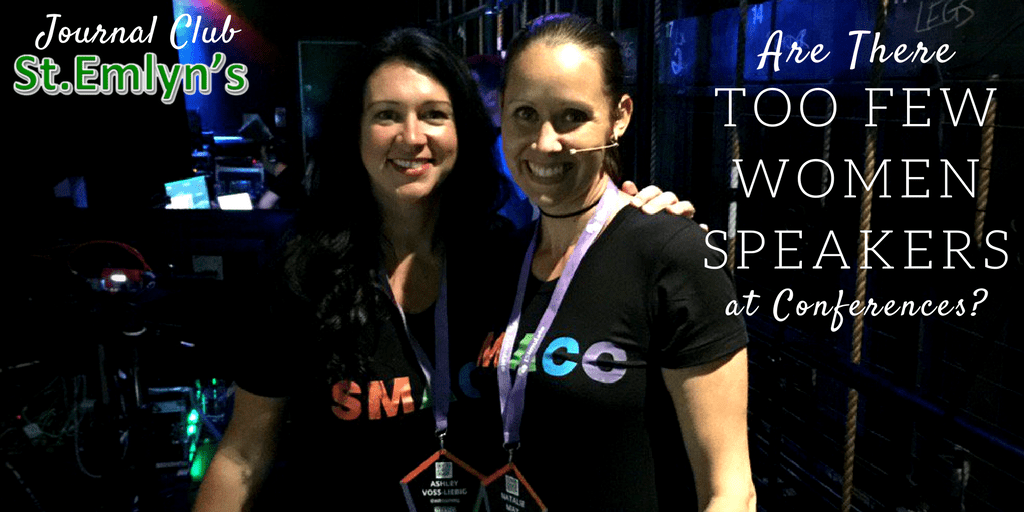
What does counting conference speakers reveal about gender equity? This 2016 report examines EM programmes from 2014–2015, comparing women’s representation with the specialist workforce and considering speaking time, methodological limitations and the questions that simple headcounts leave unanswered.