Can procalcitonin reliably guide antibiotic decisions in the emergency department? This 2017 review traces the biomarker’s evidence across adults, children and intensive care, explaining why different populations, study questions and uncertain effects on outcomes complicate apparently promising results.
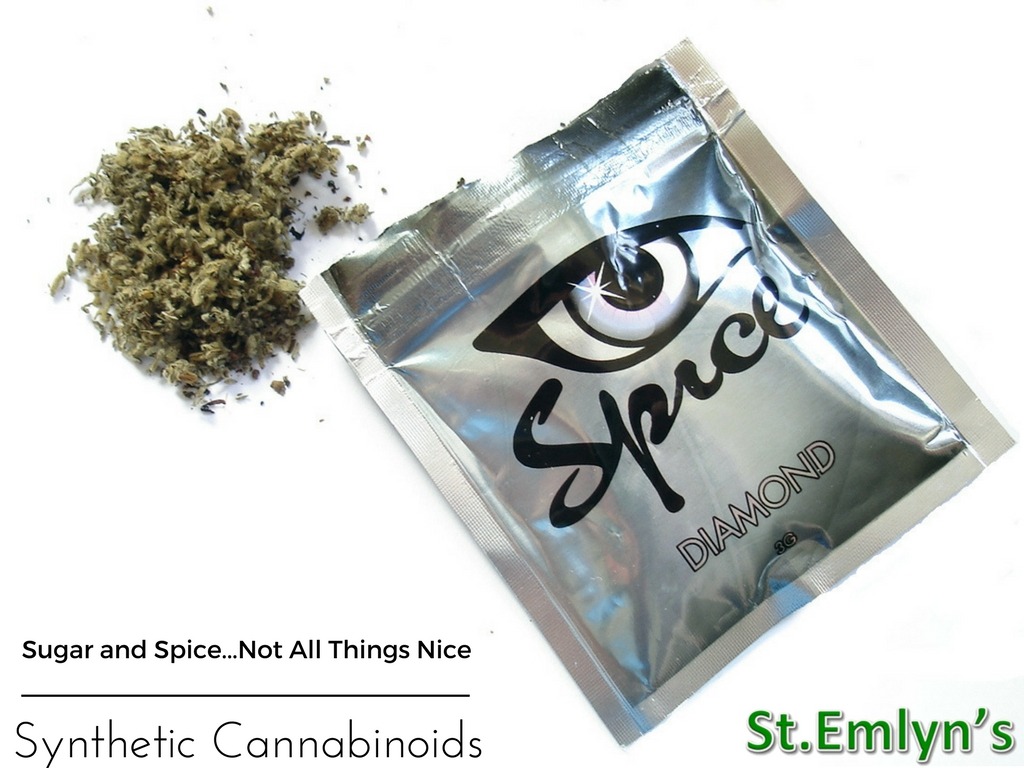
Synthetic cannabinoids can produce unpredictable and severe presentations in the emergency department. This 2017 overview explains their pharmacology, varied effects and uncertain composition, then discusses the difficulties of recognition and management and the role of specialist poisons advice.
Could a simple cold-water stimulation technique shorten the wait for an infant’s urine sample? This 2017 appraisal of Quick-Wee examines the randomised trial, collection success, uncertain contamination findings and the practical challenge of providing uninterrupted attention in a busy ED.
When clinical findings and test results conflict, how should we rethink a diagnosis? Natalie May uses a case and thought experiments to explore heuristics, cognitive bias and probability, showing why more tests alone cannot resolve uncertainty in emergency medicine.
Could vitamin C, thiamine and steroids transform sepsis care? This 2017 appraisal interrogates a striking before-and-after study, exploring confounding, retrospective data and the risks of adopting an unproven treatment before reliable evidence of benefit and harm is available.
Busy shifts can make eating and drinking feel like an afterthought. Drawing on personal experience, Janos Baombe considers meal preparation, breaks, snacks and hydration, encouraging clinicians to give their own basic needs more attention during the working day.