Whose assessment counts when a child is in pain? This 2017 appraisal of paediatric pain scales examines agreement between children, nurses and doctors, questioning whether disagreement justifies dismissing children’s reports and what a single pain measurement can really tell us.
Do teaching hospitals deliver better outcomes? This 2017 appraisal examines a large US study linking teaching status with lower mortality, while exploring confounding, limits to generalisability and why the association does not show that teaching itself caused the difference.
Who should pay for access to medical research? Mike Charlesworth and Lee Feddy weigh subscription fees, open-access publication charges and barriers for unfunded researchers, then ask what medical journals could learn from the business models of digital entertainment services.
Our thoughts are with everyone affected; patients, families, staff, relatives and the people of Manchester.
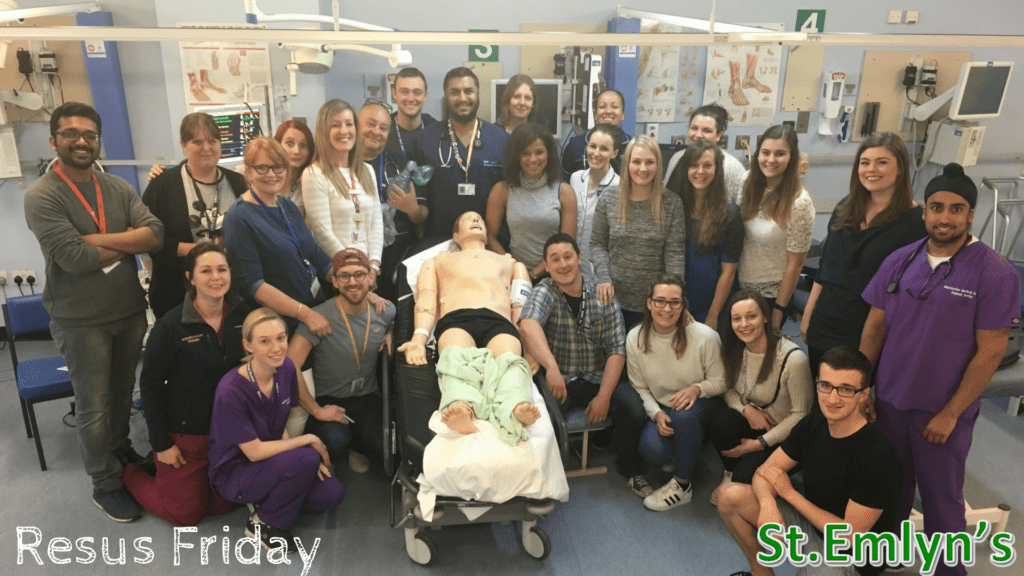
A 2017 ResusFriday session uses simulation and shared learning to examine cardiac arrest care, including team roles, reversible causes and dual-axis defibrillation. The post explains why enthusiasm for the latter needed to be tempered by the limited evidence available then.
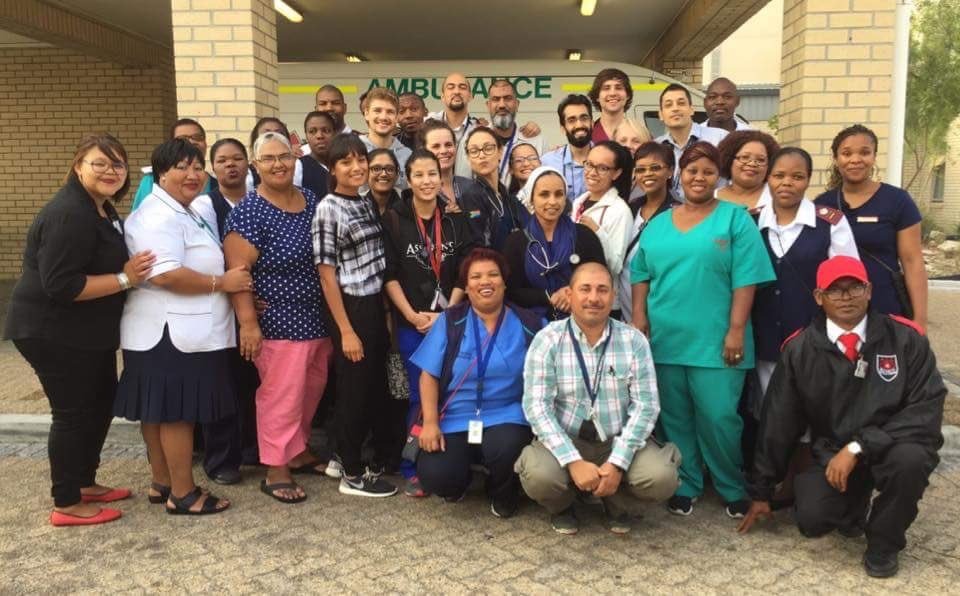
A 2017 visit to Mitchells Plain and neighbouring emergency centres prompts reflections on trauma, mental health care, teaching and resource constraints. Simon Carley describes the work of South African colleagues and the #badEM team, while questioning the limits of an outsider’s perspective.