Could oral rivaroxaban replace fondaparinux injections for superficial vein thrombosis? This 2017 appraisal of SURPRISE examines its non-inferiority design, composite outcomes, bleeding and generalisability, asking how convenience should be weighed against uncertainty about benefits and harms.
The final day of EMSSA 2017 considers the future of emergency care in Africa, from collaborative leadership to scalable systems. This co-created report also captures reflections on life beyond medicine and a session on rhino protection in the Pilanesberg.
Day two of EMSSA 2017 moves from resuscitation and paediatric trauma to emergency care in low-resource settings. This collaborative report brings together sessions on knowledge translation, snakebite and malaria, alongside discussions of bullying, staff safety and the ethics of volunteering.
The first day of EMSSA 2017 explores prehospital and emergency care in South Africa. This co-created report covers the future of EMS, violence against crews, analgesia and critical-care transfers, alongside reflections on compassion, resilience and sustaining a career.
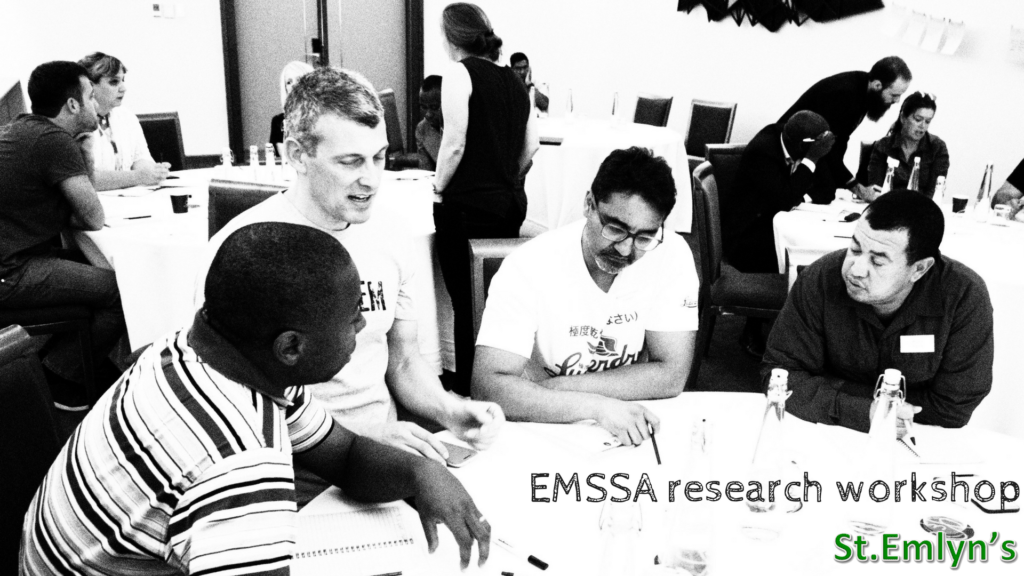
Getting started in emergency medicine research can feel daunting. Notes from the EMSSA 2017 workshop explore choosing a worthwhile question, finding a supervisor, building collaborations and securing funding, before considering how to approach publication.
This 2017 introduction explains tetanus, immunisation history and the assessment of wounds in the emergency department. It also discusses recognising clinical tetanus, but explicitly flags that UK management guidance has changed and directs readers to a later update.