Could cardiac myosin binding protein C offer an alternative to troponin? This 2017 review examines promising diagnostic findings from APACE, while explaining why external validation, a practical assay and evidence of added clinical value were still needed.
What can civilian and military teams learn from each other about mass casualty incidents? Reflections from AAST 2017 examine preparation, unexpected casualty arrivals, staff safety and the psychological toll, asking why familiar lessons still fail to reach practice.
Does routine oxygen improve outcomes in suspected acute coronary syndromes? This 2017 appraisal of DETO2X-SWEDEHEART examines its patient selection, unexpectedly low event rate and mortality findings, explaining why a non-significant result does not establish that two treatments are equivalent.
What happens when a passion for emergency medicine meets the physical limits of chronic illness? Harriet shares her experience of training with rheumatoid arthritis, exploring workplace barriers, difficult career choices and what meaningful support for colleagues might require.
A useful travel history goes beyond asking where someone has been. This guide explores itinerary, symptom timing, immunisations, prophylaxis and possible exposures, showing how the details can inform assessment of imported infection and conversations with infectious disease colleagues.
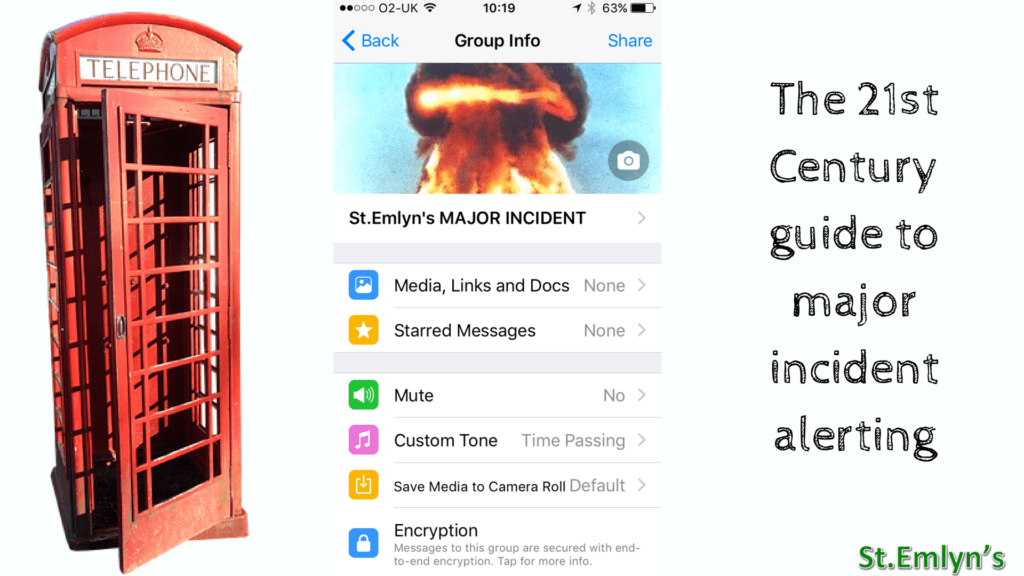
Drawing on the 2017 Manchester and London attacks, this post examines how hospitals alert and mobilise staff during a major incident. It discusses structured METHANE messages, coordinating responses and planning cover beyond the first wave, alongside the limitations of messaging groups.