How can teams learn together and support the people doing the work? SMACC 2019’s second afternoon explored debriefing, psychological safety, peer review and a learning culture, followed by sessions on rest, reflection, self-care and tackling workplace bullying.
The second morning of SMACC 2019 combined innovation with difficult bedside decisions. Topics included productivity, research and CODA’s launch, followed by trauma-related hypotension, severe asthma, uncertainty in sepsis care and a debate about fluids in critical care.
Supporting people affected by violence and abuse was a central theme of SMACC 2019’s first afternoon. This report also considers clinicians’ emotional responses, conversations that offer support, and the role of creativity in healthcare and education.
SMACC 2019 opened with patient stories, grief and compassionate communication before moving into bedside critical care. This report covers obstetric emergencies, echocardiography and prehospital trauma debates, showing how the Sydney meeting connected technical decisions with the people receiving care.
Does a trauma registry study justify abandoning REBOA? Zaf Qasim examines a 2019 comparison with standard care, considering reported mortality and complications, patient selection, missing procedural details and delays to definitive treatment before drawing conclusions about the technique.
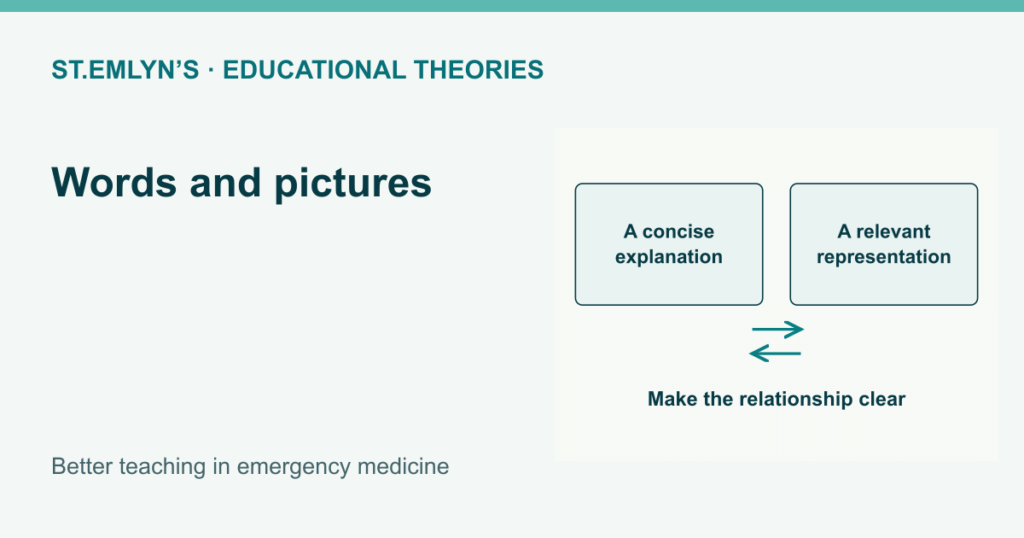
How can words and images work together to support learning? Nick Smith introduces dual-coding and related memory theories, with practical examples for slides, diagrams and teaching materials. He also explores how irrelevant visuals, crowded layouts and duplicated information can get in the way.