Do changes in vital signs predict trauma outcomes better than a single set of observations? This 2013 journal club examines retrospective TARN data, considering shock index and changes in blood pressure, respiratory rate and heart rate, alongside study exclusions and the small number of deaths.
Which trauma papers deserved attention at the 2013 Trauma Care conference? Simon Carley shares his shortlist, from tranexamic acid and analgesia to imaging and airway management, and reflects on the limits of presenting ten studies in half an hour.
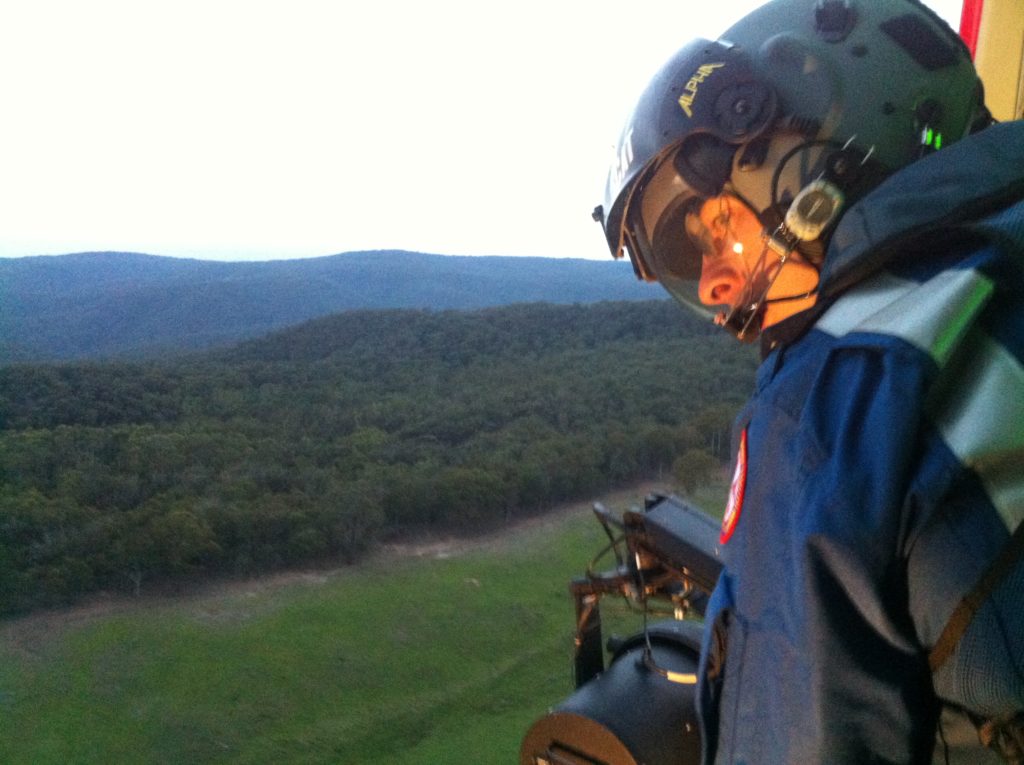
What can an emergency department learn from a helicopter retrieval team? Following a 2013 visit to Sydney HEMS, Simon Carley reflects on multidisciplinary briefings, rehearsal, active listening at handover and shared leadership across challenging pre-hospital environments.
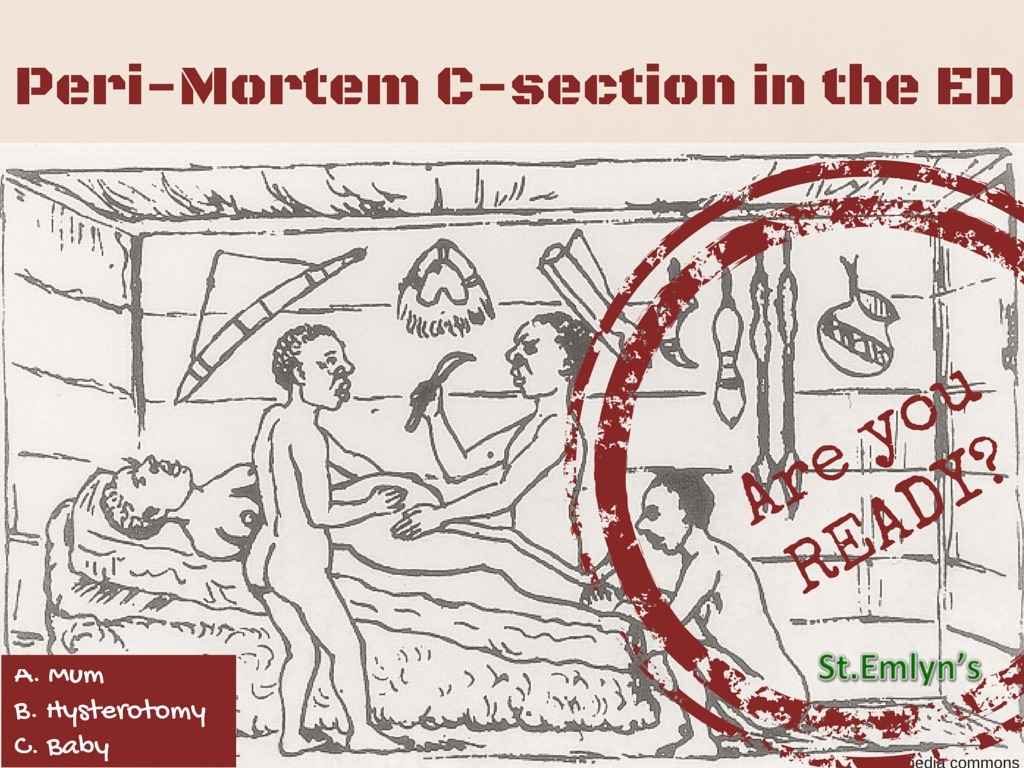
How do you prepare for an emergency procedure you hope never to perform? In this 2013 reflection on perimortem caesarean delivery, Simon Carley explores advance planning, team roles, equipment and rehearsal for cardiac arrest in pregnancy.
Can a tight ring be removed without destroying it? Simon Carley introduces a video demonstration of the undertaker's ring method and discusses its limits, including wounds, bony obstruction and pain, with ring cutters available when the approach is unsuitable or unsuccessful.
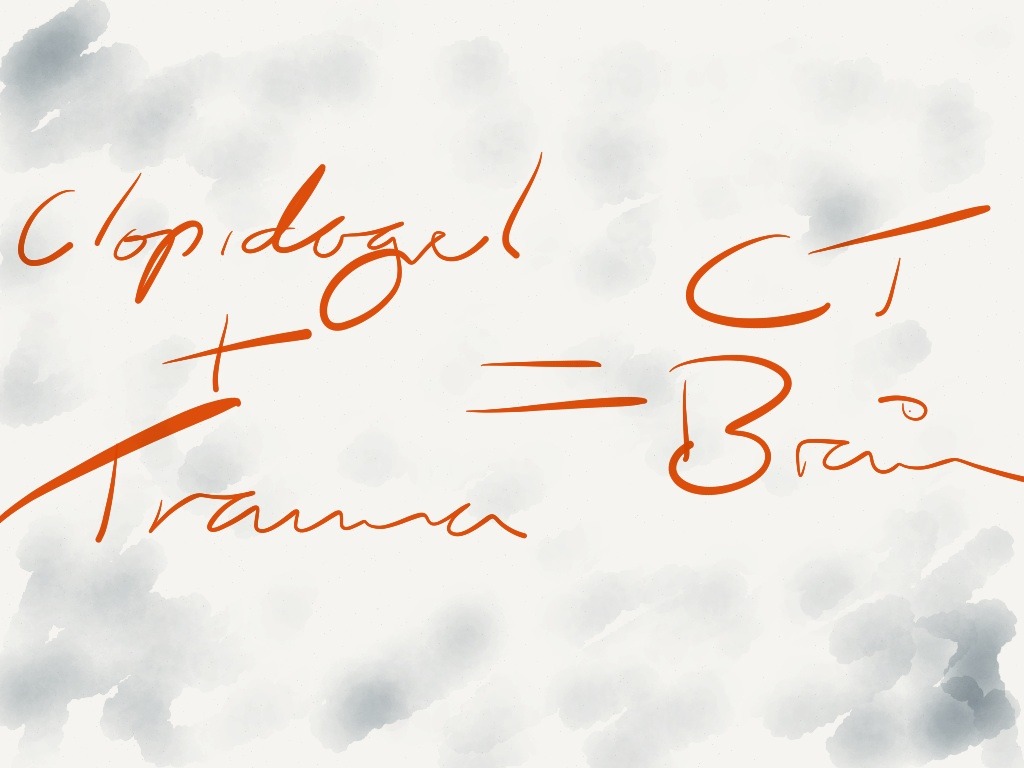
How should clopidogrel use influence assessment after a head injury? This 2012 journal club examines a prospective cohort study of intracranial bleeding, questioning comparisons with warfarin, patient selection and whether CT findings adequately capture the outcomes that matter to patients.