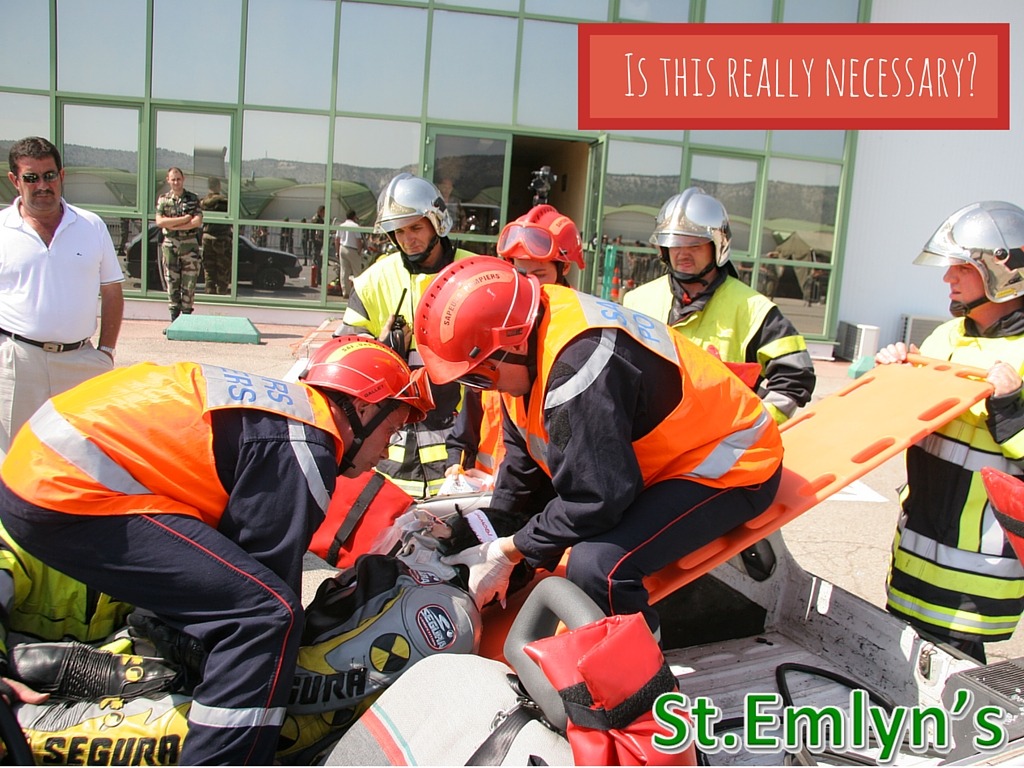
Does helping someone out of a car reduce cervical spine movement compared with self-extrication? This 2015 appraisal examines a small biomechanical study of six techniques, while emphasising that uninjured volunteers cannot establish which approach is safest for patients with pain or spinal injury.
What does a raised lactate actually tell us? This 2015 physiology discussion revisits lactate production and clearance, then explores hypoxia, the stress response and interpretation in sepsis and trauma. It questions the leap from a marker of illness severity to a treatment endpoint.
This 2015 induction post and podcast explore the assessment of back pain in the emergency department. Topics include recognising serious causes, taking a neurological history, documenting examination findings and seeking senior advice, alongside symptom relief, mobility and communication with primary care.
An August 2015 overview of NICE’s draft major trauma guidance during its stakeholder consultation. The post summarises the proposed approach to airway care, bleeding, imaging, analgesia and communication, and explains how clinicians could comment; it records the consultation rather than the final or current guidance.
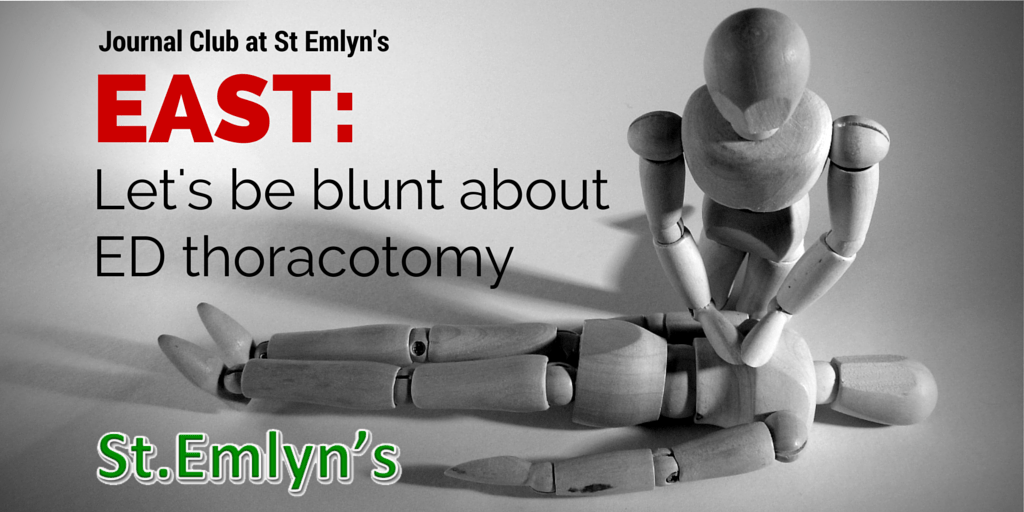
Who might benefit from emergency department thoracotomy after traumatic cardiac arrest? This 2015 appraisal examines EAST guidance on patient selection, comparing injury patterns and signs of life while questioning estimated control outcomes, bias and the difference between impressive relative risks and small absolute benefits.
Highlights from the 2015 neuroanaesthesia and critical care meeting in Manchester, with a focus on collaboration around traumatic brain injury. Dan Horner reflects on variation in practice, fatigue and situational awareness, specialist intensive care, tracheostomy safety and communication with patients who experience awareness during anaesthesia.