An archive notice for the Resuscitology course scheduled in Manchester on 14 December 2019. The planned programme combined case-based discussion of clinical resuscitation with leadership, human factors, wellbeing and sustainability, with an international faculty of emergency and critical care clinicians.
Rusty reflects on why traumatic experiences affected him so profoundly and how therapy helped him make sense of PTSD. This personal account explores moral injury, disrupted beliefs about the world and the continuing process of understanding his own recovery.
What can emergency medicine learn from anaesthesia’s environmental footprint? This review of a 2019 editorial considers anaesthetic gases, equipment, waste and the wider life cycle of healthcare products, alongside the climate implications of travel for conferences and education.
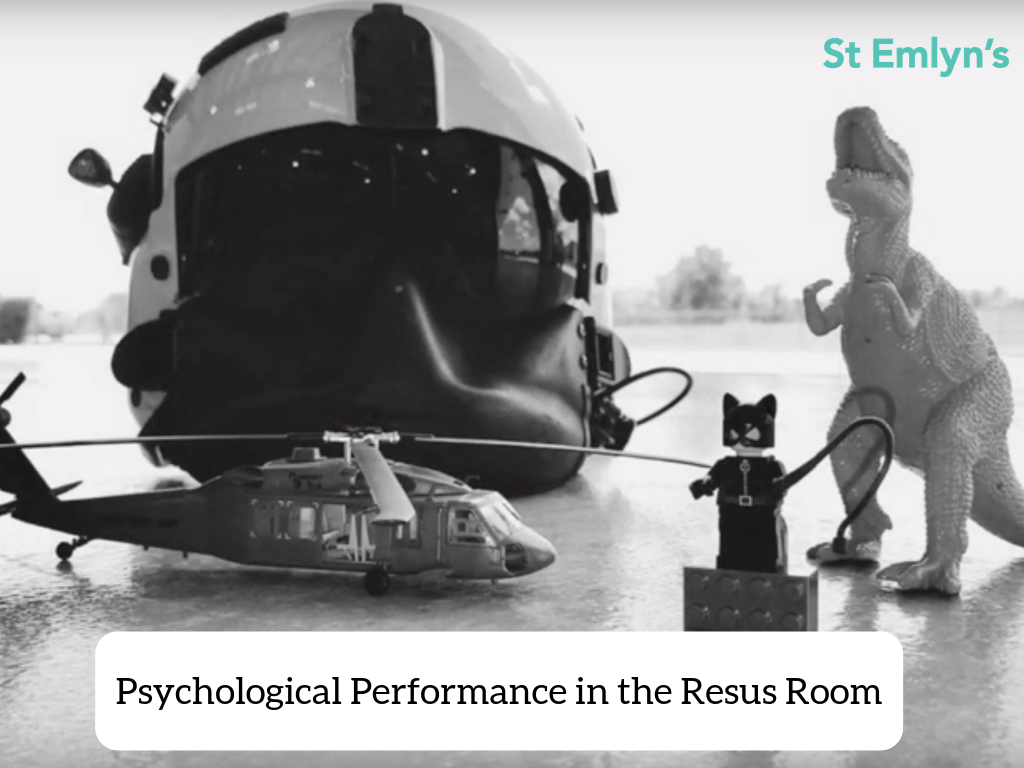
Ashley Liebig draws on her experience with helicopter emergency medical services to discuss psychological performance in resuscitation. This St Emlyn’s Live talk, available as video and audio, focuses on working under pressure when decisions are urgent and information is incomplete.
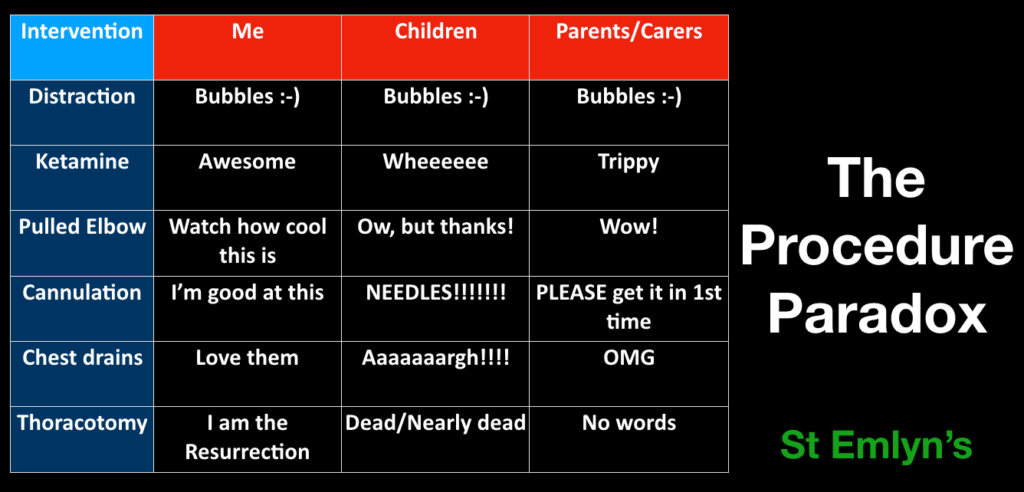
A satisfying day in emergency medicine may be the worst day of a patient’s life. Simon Carley explores this tension, asking how enthusiasm for procedures and clinical challenges can coexist with empathy, thoughtful decisions and attention to what the patient needs.
The June 2019 podcast round-up revisits a month of St Emlyn’s articles and recordings. Accompanying links explore clinicians’ psychological wellbeing, traumatic cardiac arrest, the reliability of intraosseous blood samples and Alan Grayson’s discussion of trauma care beyond ATLS.