After being described as intimidating, Sarah Payne reflects on the gap between how she sees herself and how colleagues perceive her. Drawing on her experiences and research on gender stereotypes, she explores the tension between warmth, competence and assertiveness for women working in emergency medicine.
An introduction to a series of personal experiments in emergency medicine education, inspired by philosophy and deliberate practice. The exercises aim to challenge clinicians’ thinking, empathy, communication and teaching through repetition and reflection, with a link to the collection developed by the St Emlyn’s team.
Inspired by a speech from Australian Army chief David Morrison, Iain Beardsell asks what it means to uphold shared values in the NHS. He reflects on everyday standards, humiliation of colleagues and the personal responsibility to challenge behaviour that undermines a supportive working culture.
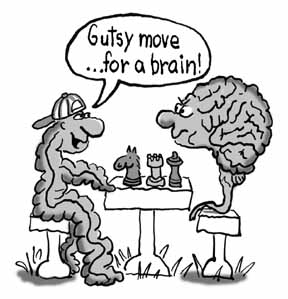
When a clinician describes a ‘gut feeling’, is it intuition or recognition of a clue they have not yet articulated? This reflection explores tacit knowledge and paediatric examples, asking whether examining the reasoning behind these decisions could reveal skills that can be taught to others.
The opening instalment of a medical leadership series draws on Stephen Covey’s advice to be proactive. It explores focusing effort on what we can influence, responding to difficult situations according to our values and taking responsibility for how we work with patients and colleagues.
Can ‘first, do no harm’ describe clinical practice when every useful intervention carries some risk? The third instalment of this ethics series explores benefit, harm and utilitarian reasoning, asking how clinicians can pursue a patient’s interests while respecting moral limits.