When clinical findings and test results conflict, how should we rethink a diagnosis? Natalie May uses a case and thought experiments to explore heuristics, cognitive bias and probability, showing why more tests alone cannot resolve uncertainty in emergency medicine.
Does love have a place in critical care? In this companion to her SMACCDub talk, Liz Crowe explores compassion for patients, colleagues and ourselves, arguing that human connection, supportive leadership and psychological safety belong alongside clinical expertise.
Small interpersonal habits matter when teams work under pressure. In the second Sydney HEMS reflection, Natalie May explores introductions, shared plans, checklists, fatigue and learning from mistakes, showing how everyday communication can support colleagues during demanding retrieval work.
Can emergency medicine remain a broad specialty as clinical practice becomes more specialised? Reflecting on his SMACCDub debate with Scott Weingart, Simon Carley examines generalism, critical-care skills and the risk that subspecialisation fragments the team’s ability to care for undifferentiated patients.
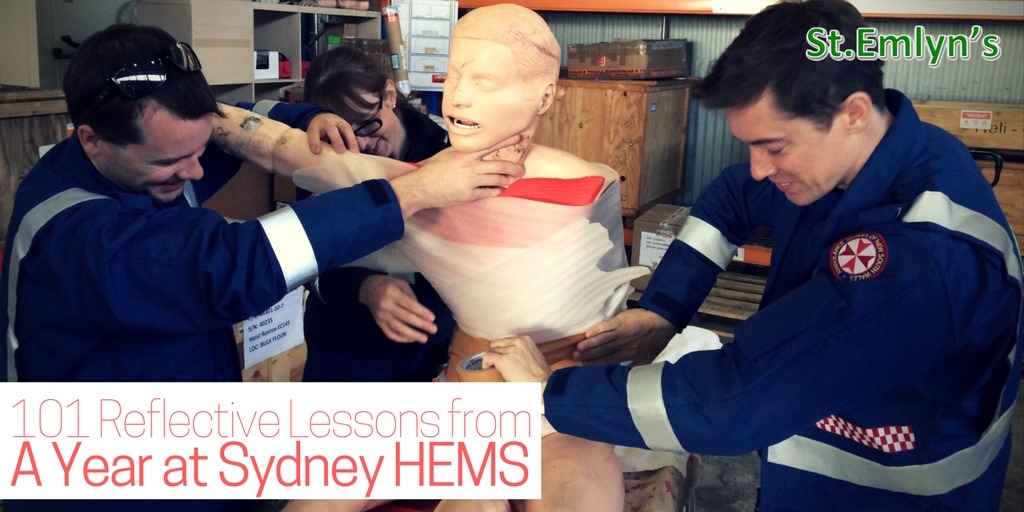
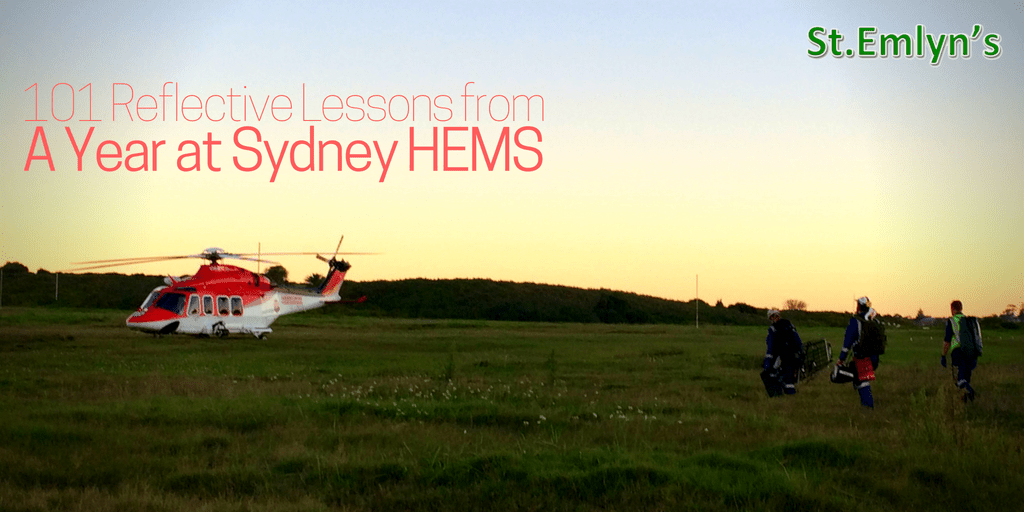
What can a year with Sydney HEMS teach an emergency medicine educator? Natalie May reflects on trust, training with the people you work alongside, purposeful simulation and shared learning, including how teams can turn clinical governance and debriefing into useful educational experiences.
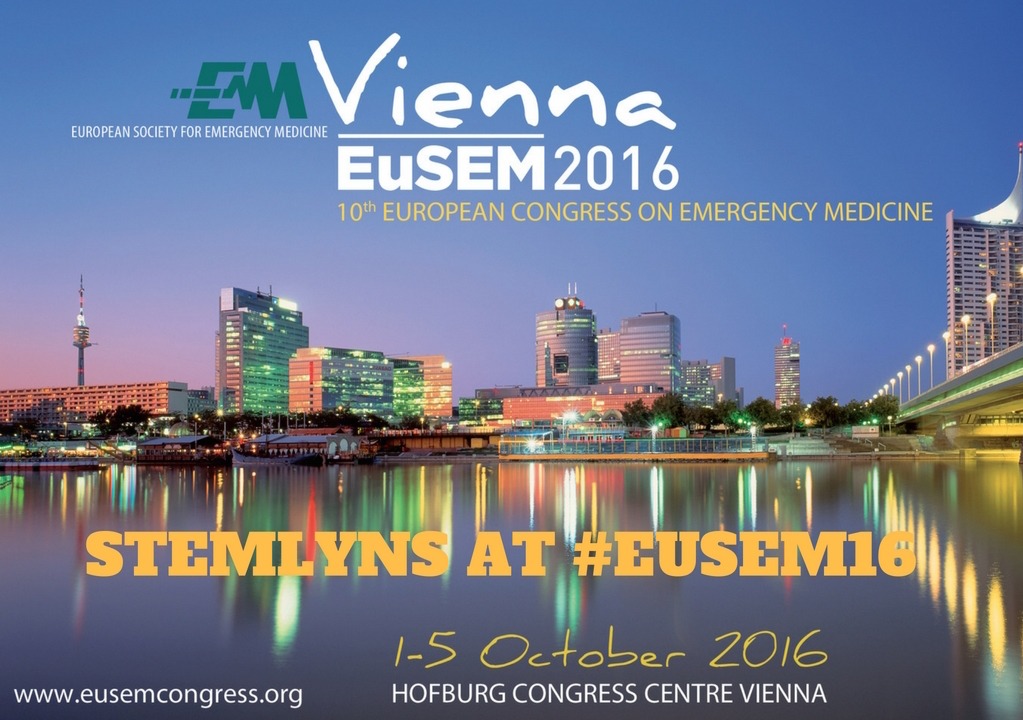
A report from EuSEM 2016 in Vienna, covering trauma, cardiac diagnostics, decision-making, education and clinician wellbeing. Alongside the clinical sessions, the post reflects on interactive debate, international connections and the value of meeting emergency medicine colleagues beyond the lecture hall.